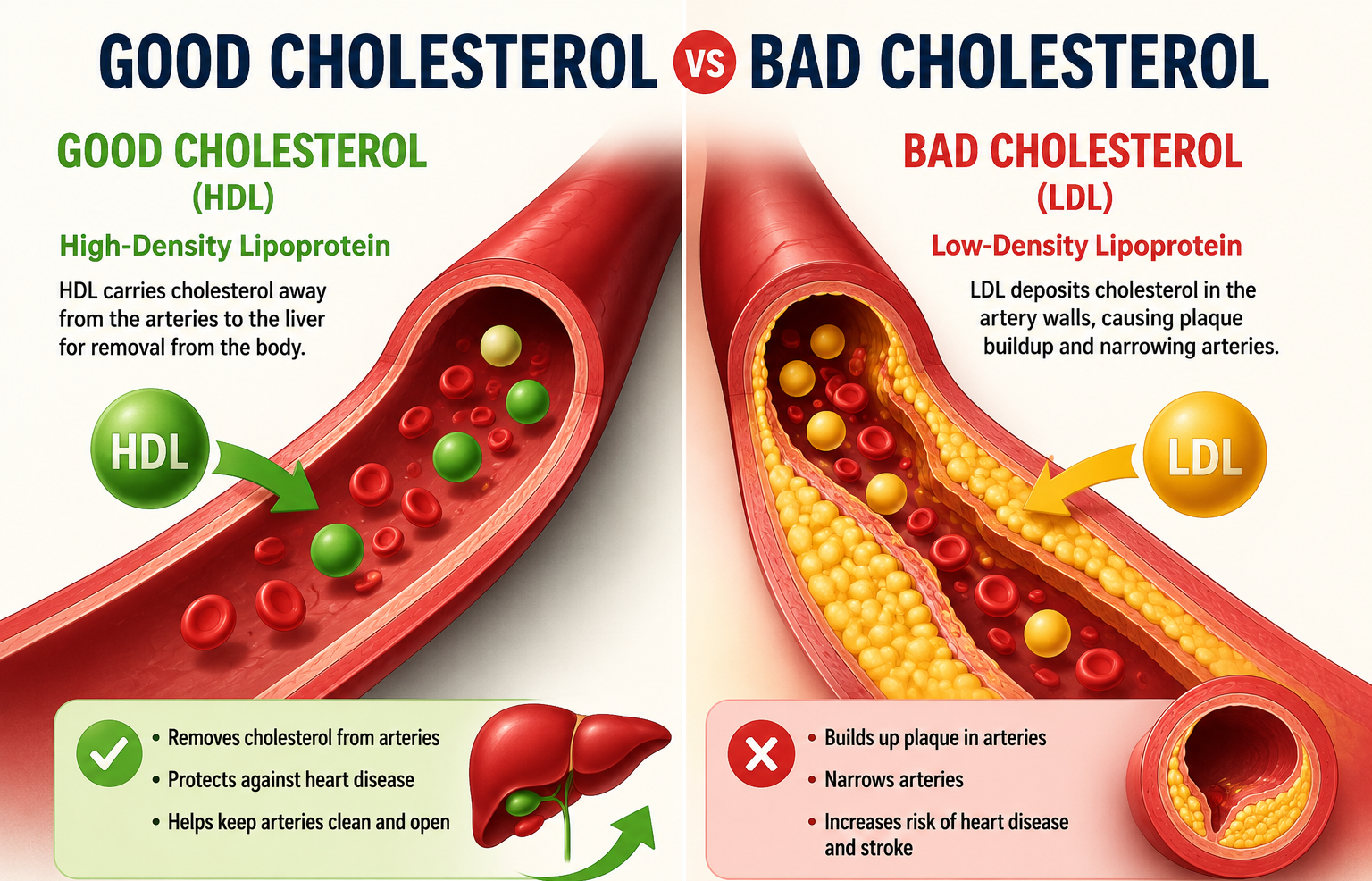
A new study by investigators from Mass General Brigham finds that nearly 1 in 3 U.S. adults without heart disease — and almost 4 in 5 of those who have already had a heart attack, stroke or other cardiovascular event — have LDL, or “bad” cholesterol levels above the goals set by the newly released 2026 American cholesterol guidelines. Additionally, among adults without heart disease who were above target, about 3 in 4 are not receiving any cholesterol-lowering medication. The results are published in JAMA.
“The gap between where the country’s cholesterol levels actually are and where the new guidelines say they should be is much wider than most people realize,” said lead author Shady Abohashem, Harvard Medical School instructor in radiology at Massachusetts General Hospital. “Heart disease remains a leading cause of death in this country, and a large share of heart attacks and strokes are preventable with medications we’ve had for decades. Yet many people who could benefit from treatment aren’t getting any. That is a missed opportunity at the scale of millions.”
The 2026 American College of Cardiology/American Heart Association dyslipidemia guideline introduced a new cardiovascular risk calculator and lowered LDL treatment goals, reflecting evidence that has made increasingly clear that “lower is better” for higher-risk patients.