Purpose-built for physicians
Nearly 30% of U.S. adults with hypertension but no heart disease were eligible for blood pressure-lowering therapy based on an updated clinical guideline, yet nearly half may remain untreated, researchers reported.
Prioritizing antihypertensive therapy among eligible patients who remain untreated could prevent hundreds of thousands of all-cause and CV-related deaths over the next 10 years, according to research published in the Journal of the American Heart Association.
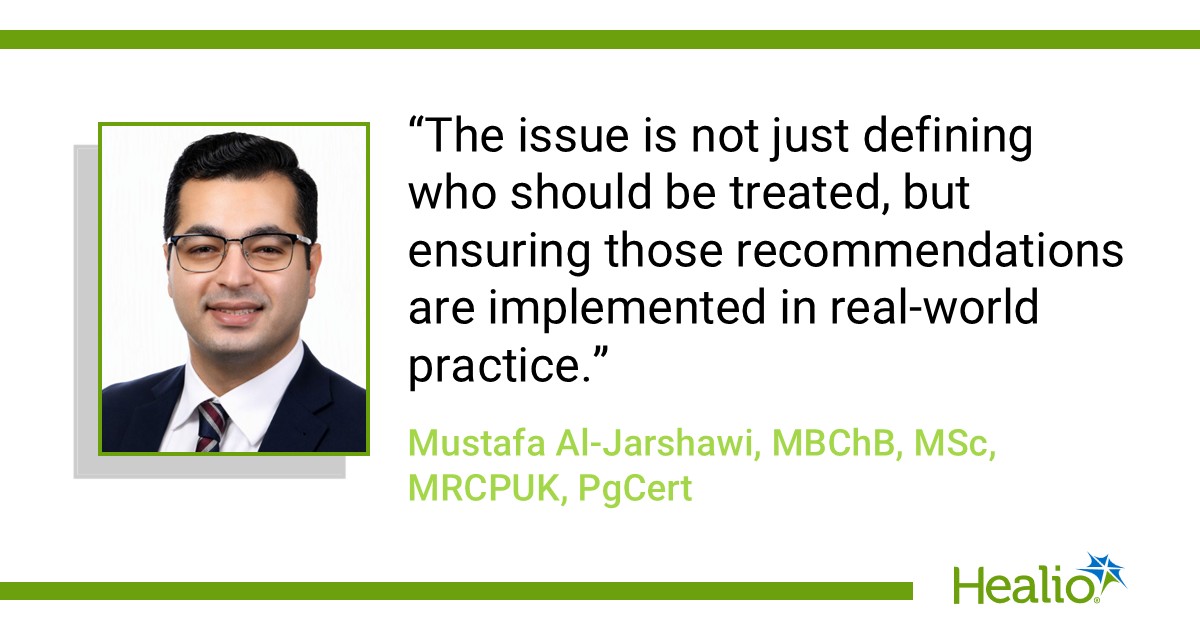
“In this nationally representative cohort of 81 million U.S. adults with hypertension and no baseline CVD, we found that 22.8 million would be newly eligible for pharmacological therapy under the 2025 American Heart Association/American College of Cardiology guideline criteria, based on BP of at least 130/80 mm Hg in the presence of a PREVENT-estimated 10-year CVD risk of at least 7.5%, diabetes or chronic kidney disease,” Mustafa Al-Jarshawi, MBChB, MSc, MRCPUK, PgCert, an academic clinical fellow in cardiology at Keele University in the U.K., told Healio. “Among these eligible adults, 13.1 million were already treated, whereas 9.7 million remained untreated, representing a substantial treatment gap. Antihypertensive therapy was associated with a 23% reduction in all-cause mortality and a 50% reduction in CV mortality over 10 years. If extended to all untreated but eligible adults, implementation of the new recommendations was projected to prevent approximately 200,900 all-cause and 162,600 CV deaths over a decade, corresponding to approximately 21 and 17 lives saved per 10,000 person-years, respectively.”