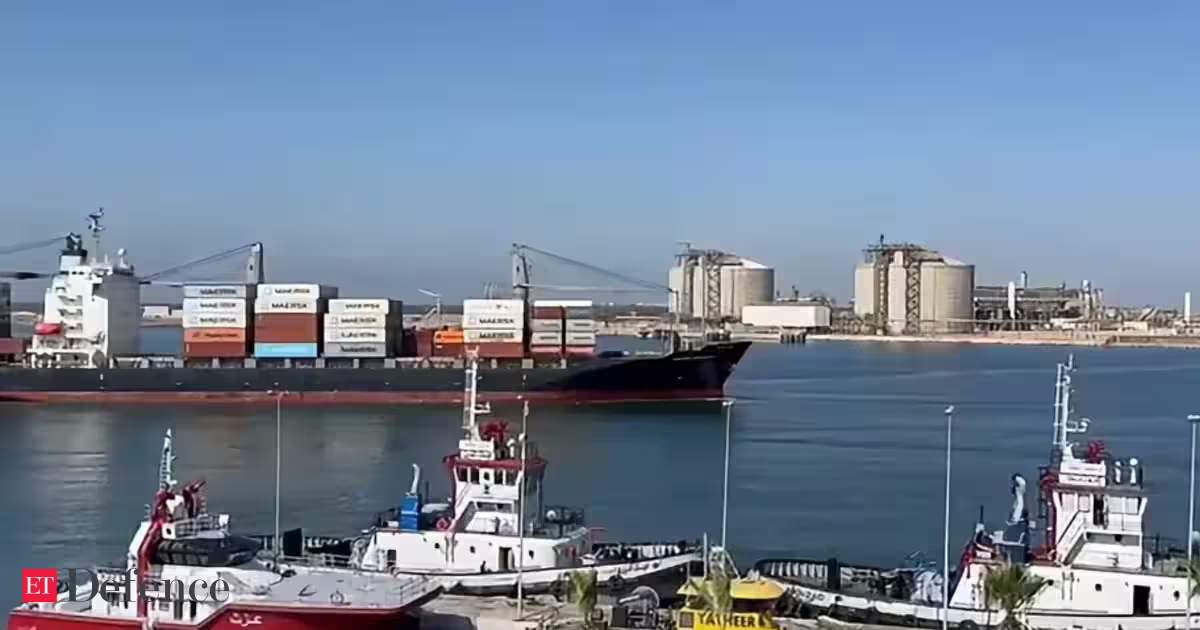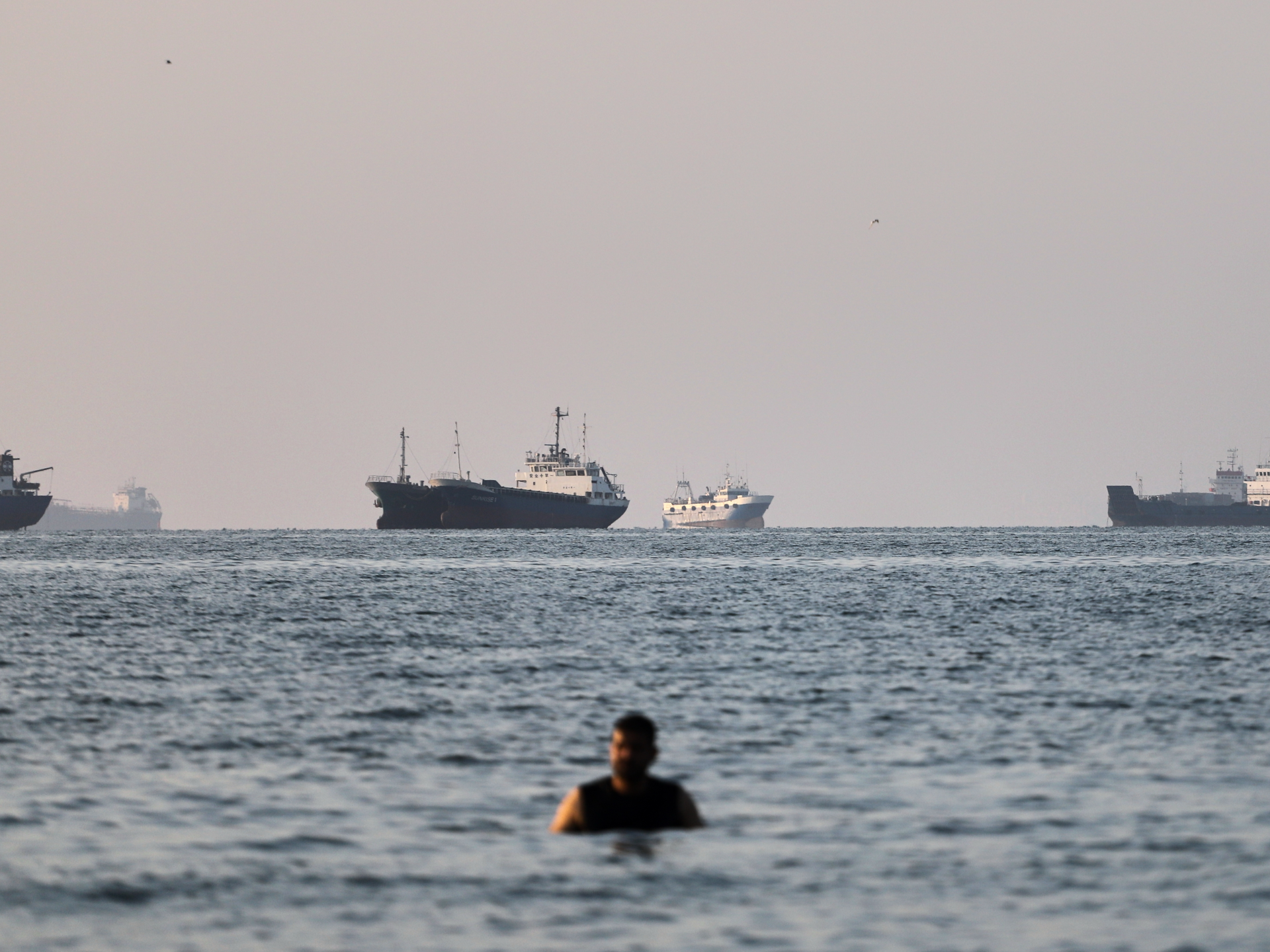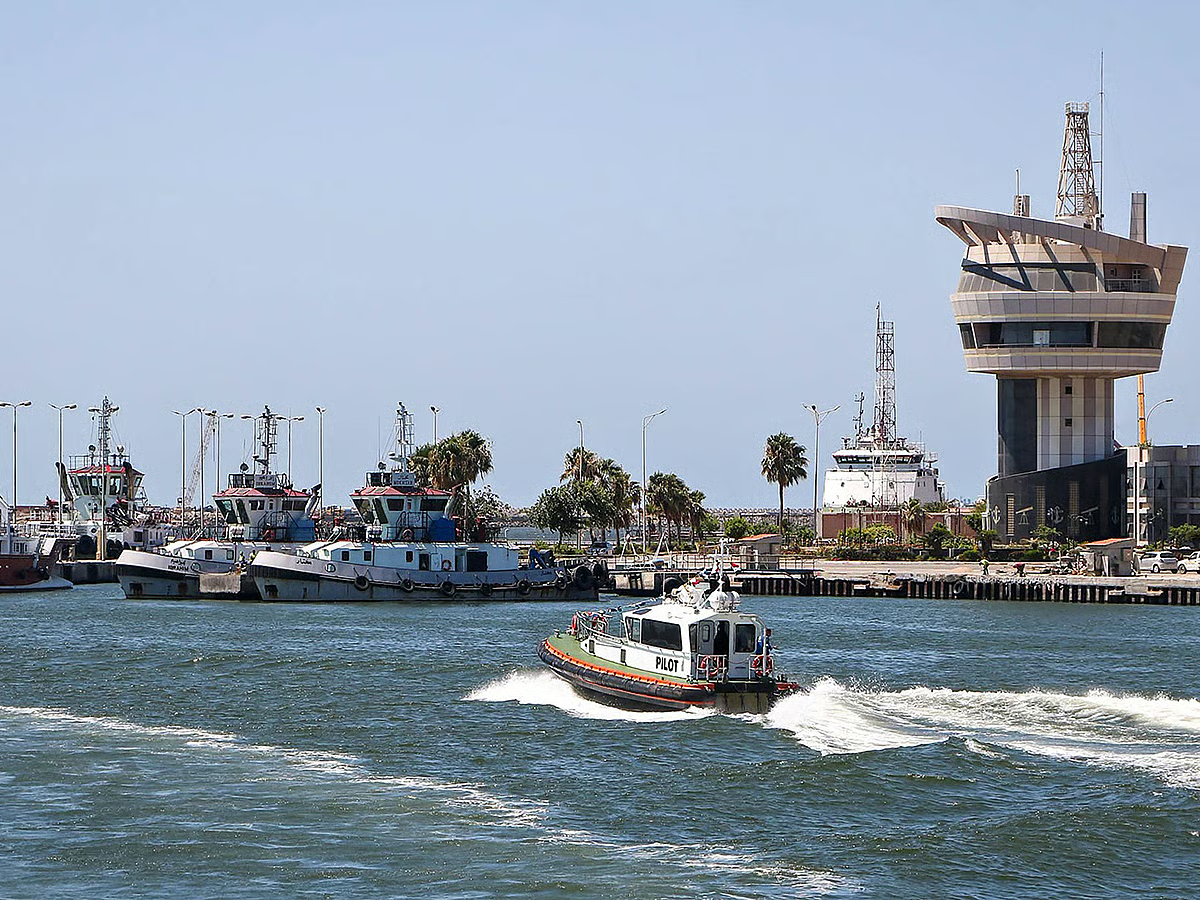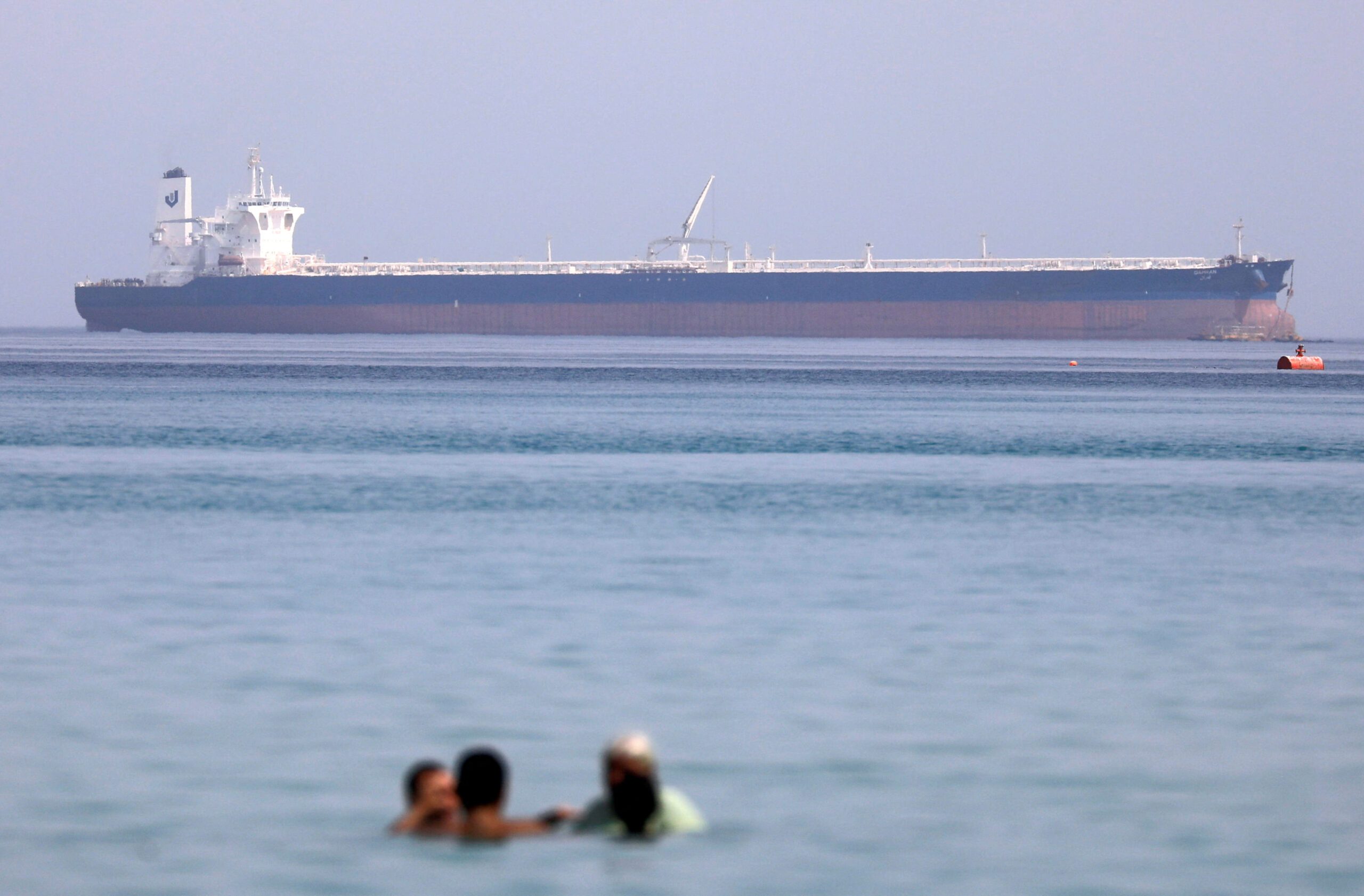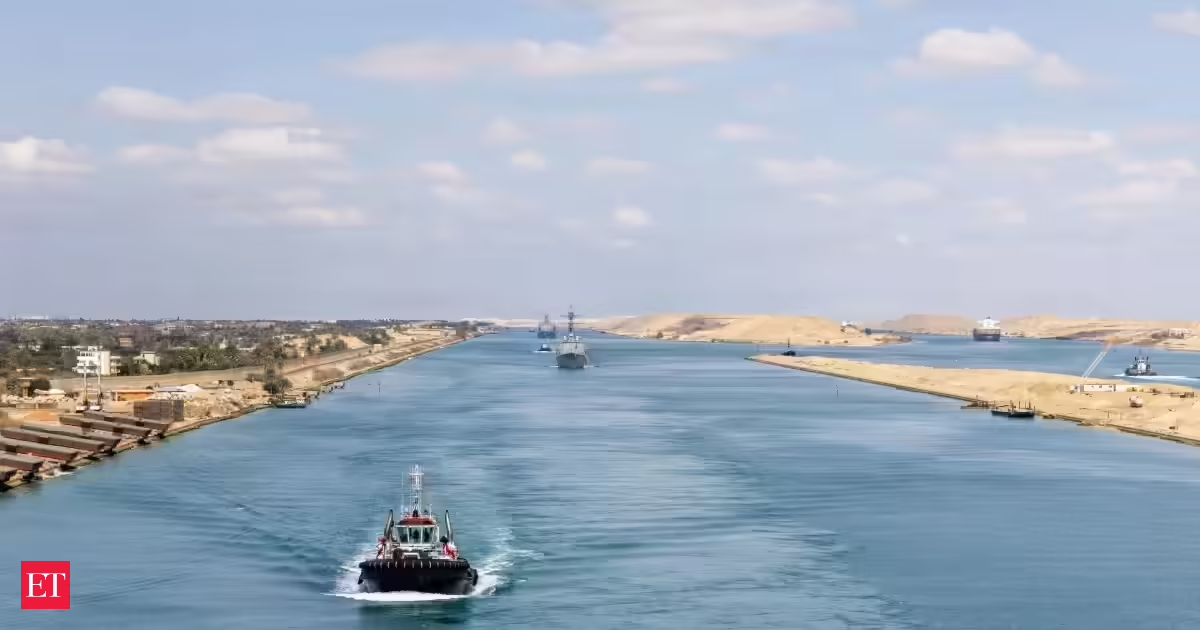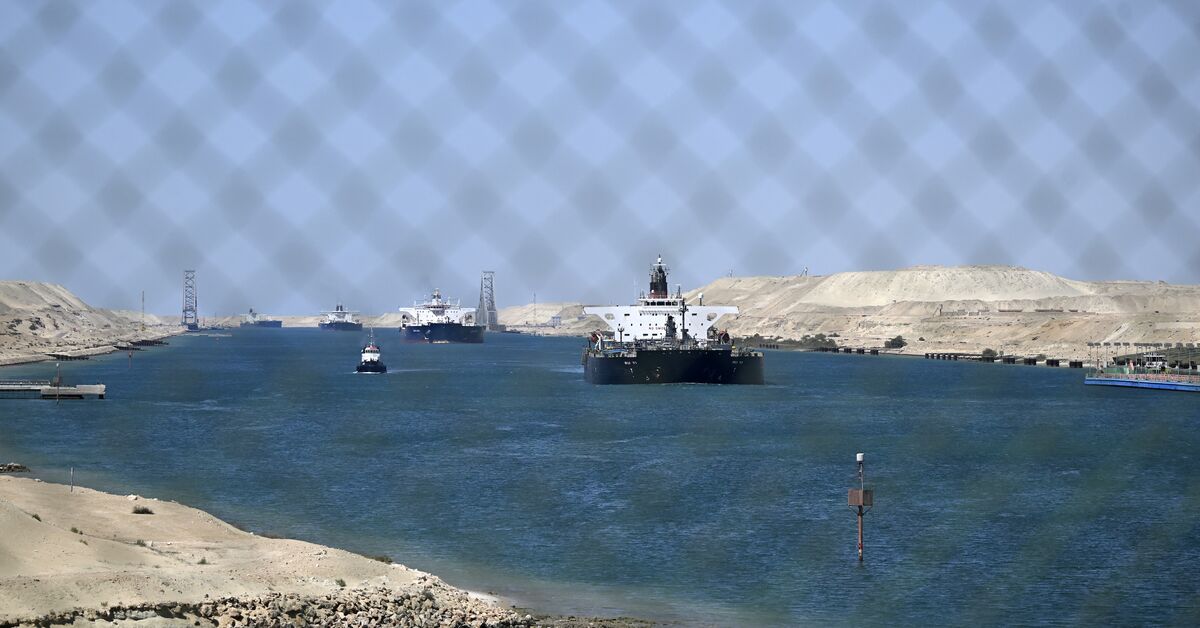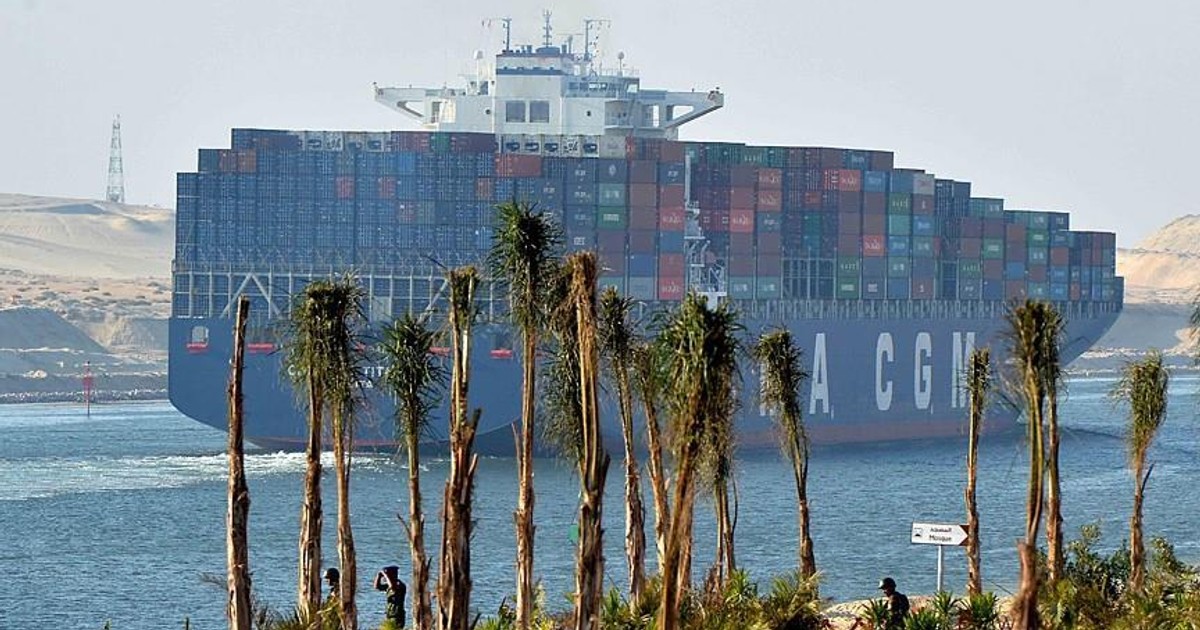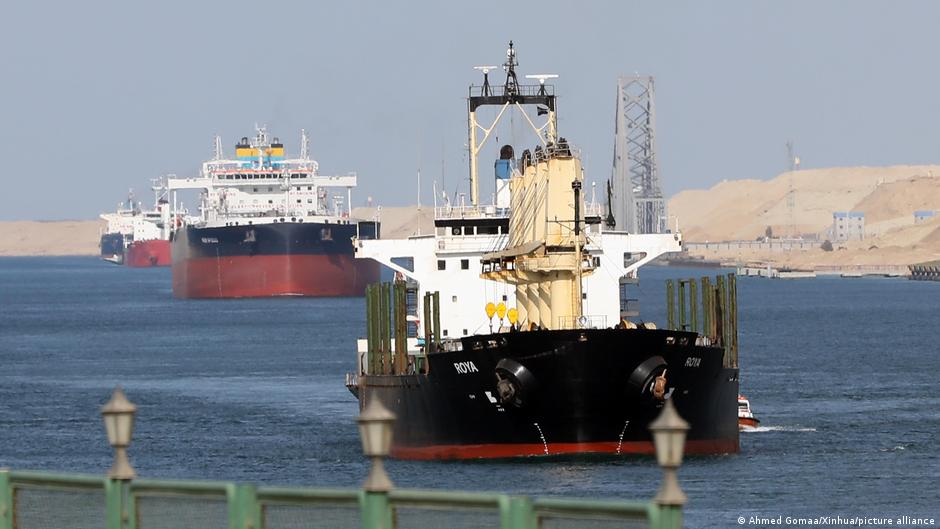
The Suez Canal boasts an array of impressive statistics. At 193 kilometers (120 miles) long, the Egyptian waterway is located between the Mediterranean and the Red Sea and it saves ships traveling between Europe and Asia approximately 10,700 kilometers. This is why, since it was opened in 1869, the canal has become one of the world's most important trade routes.
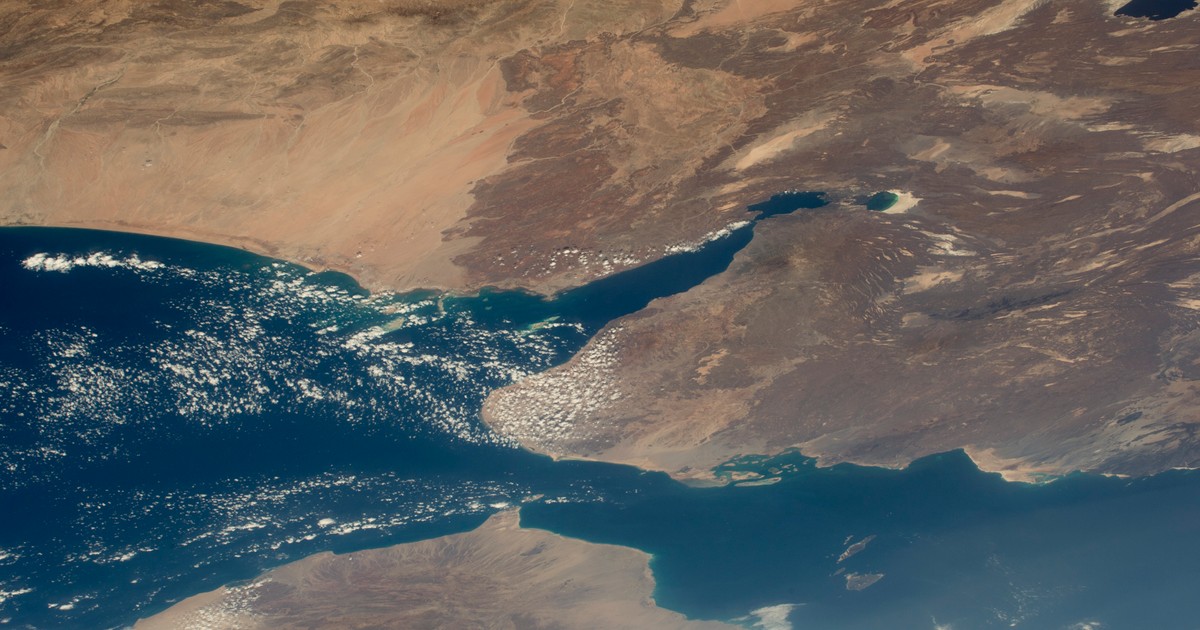
However unrest in the Middle East has seen shipping companies increasingly avoid the Suez Canal over the past couple of years. The Houthi rebel group in Yemen has targeted shipping in the Bab el-Mandeb Strait, off the coast of Yemen. To get to the Suez Canal, ships must pass the Bab el-Mandeb and the Yemeni coast.
Recently the Houthis have again threatened to block ships passing the Bab el-Mandeb Strait, and there are fears that the trend to avoid the Suez Canal will accelerate.
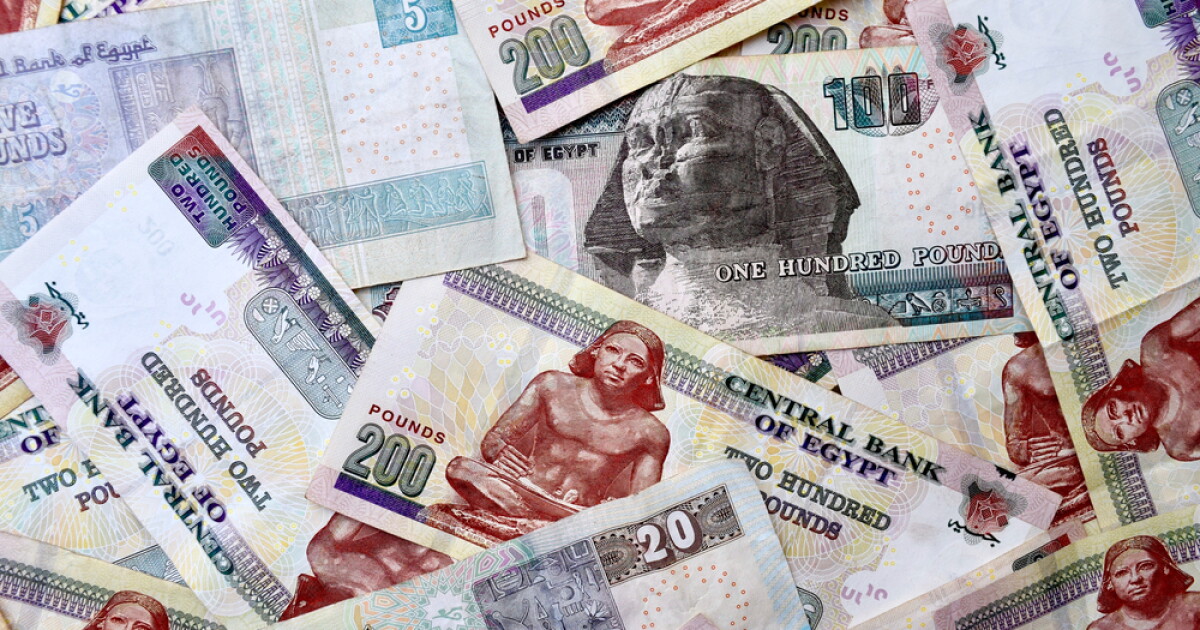
This is a huge problem for Egypt. Fees paid by shipping companies transiting the Suez Canal are an important source of revenue for the country.
According to Egyptian President Abdel-Fattah el-Sissi, Egypt likely lost around $7 billion (€6.15 billion) from a decrease in traffic through the Suez Canal in 2024 alone. The Reuters news agency said that at times, losses could have been as much as $8 million (€7 million) in a month.