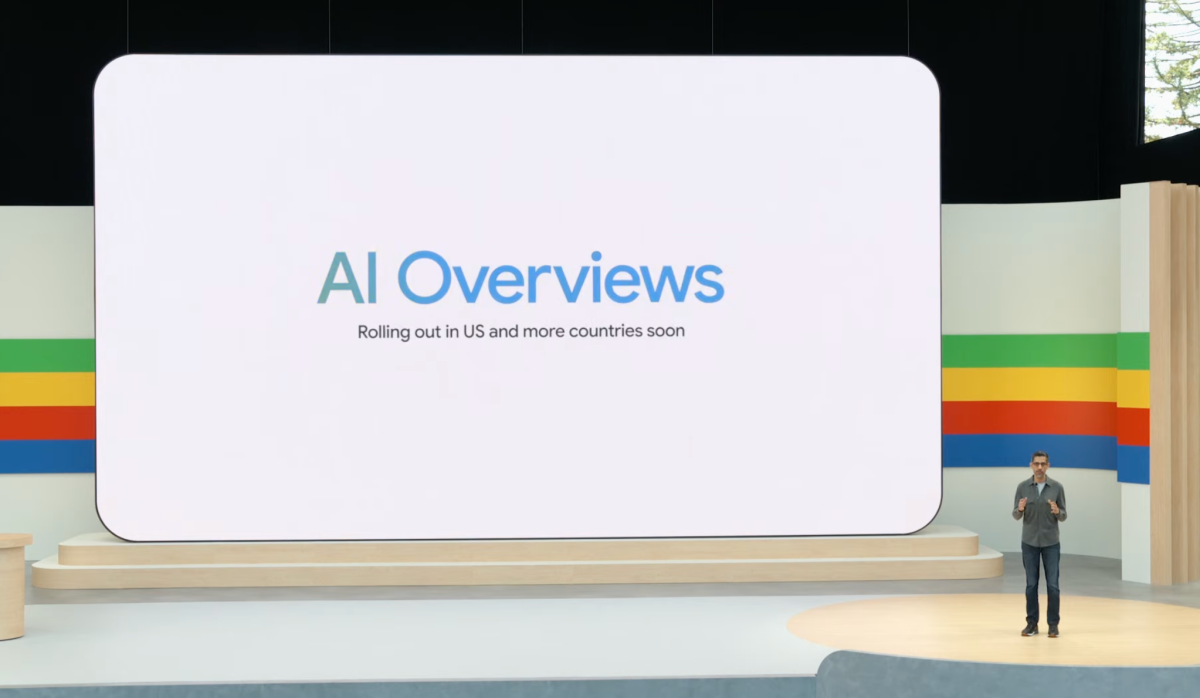
Google's deeper integration of AI-generated answers into Search is changing how organizations must manage content visibility. In 2026, a practical governance framework is taking shape around five connected actions: remove content at its source, deindex eligible results, pursue justified legal remedies, suppress remaining exposure and monitor AI answers over time. The central shift is that conventional search-result management alone is no longer enough when AI systems summarize, synthesize and surface information in new interfaces.
The change is grounded in product and policy developments. In its January 2026 update to AI Mode and AI Overviews, Google detailed Gemini 3-based AI Overviews and enhancements to AI Mode, including follow-up questions. Separately, the UK Competition and Markets Authority outlined work to give publishers an opt-out pathway for content used to power AI features in Google Search, describing the proposed mechanism as a world-first policy development and setting expectations around attribution.
Together, these developments do not create a single universal rulebook. They do show that governance for AI search is becoming more concrete across platform controls, publisher rights, legal processes and measurement.