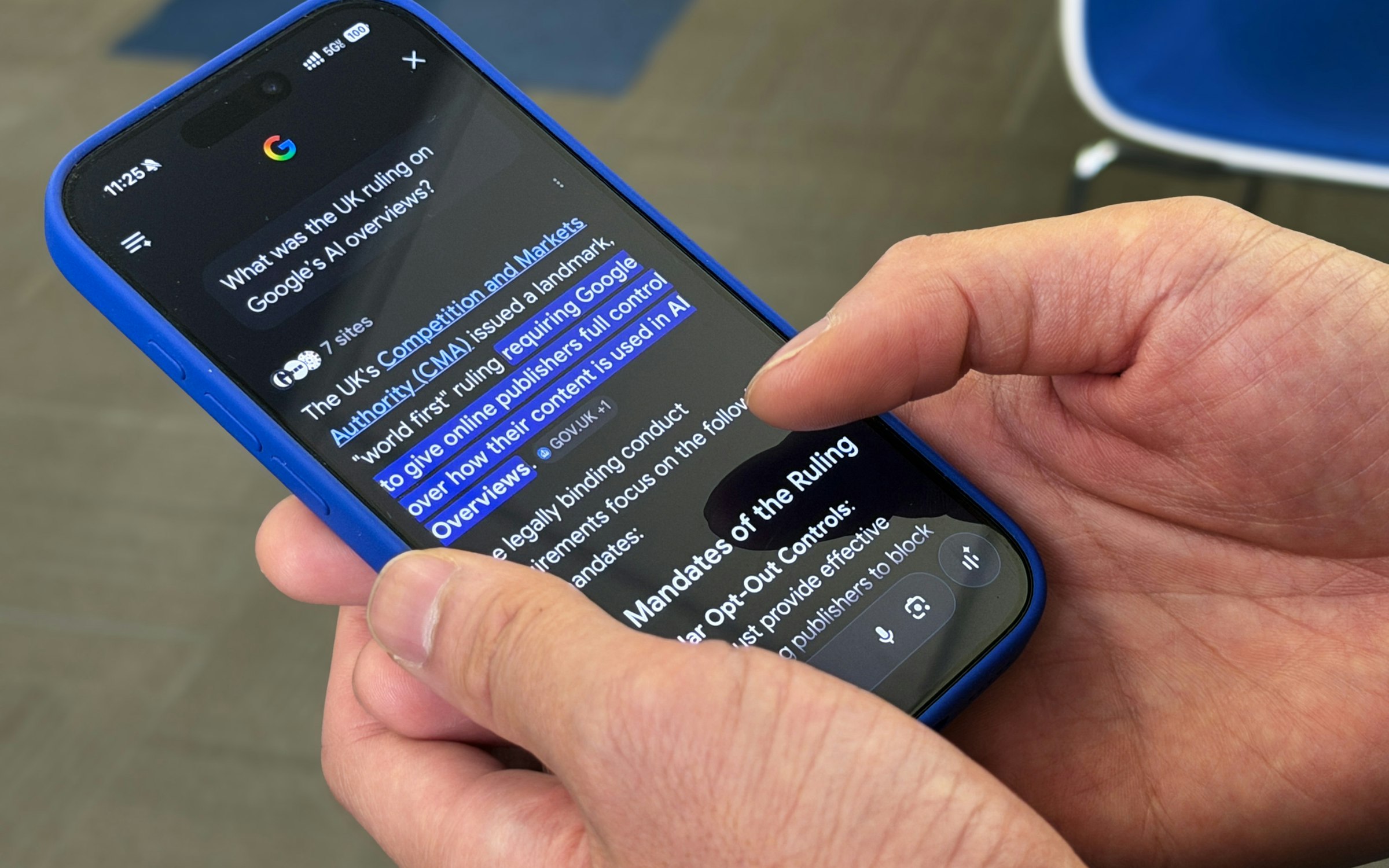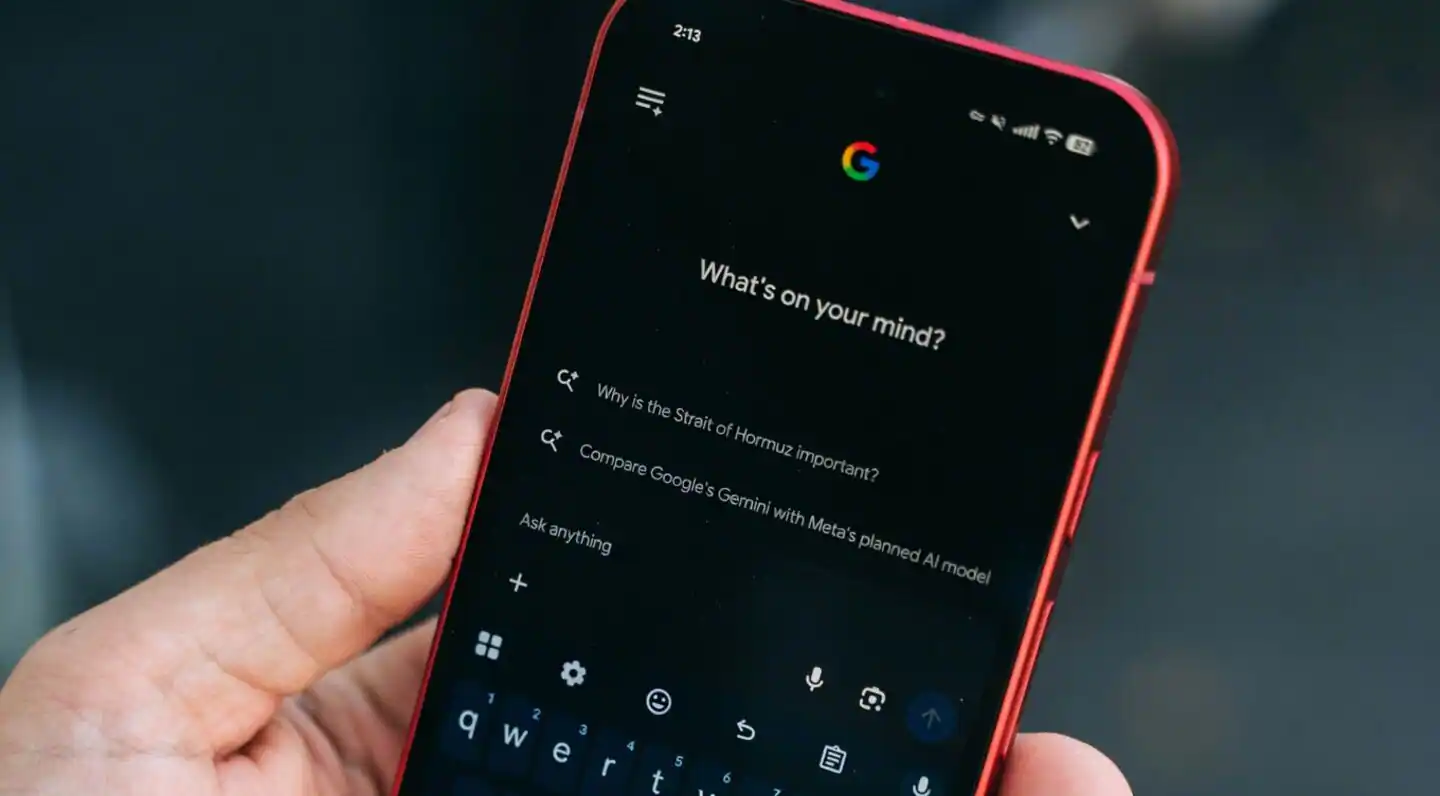
The nuance that should be noted about this update is that Top Stories carousels, as a feature of regular search, began appearing within AI Overviews for a certain number of trending news queries. On the one hand, a site owner who wants to opt out of AI Overviews would likely want to exclude their content from any AI-related features. In contrast, Top Stories sections on the search results page are explicitly not presented in this context as AI features, which means that a publisher may not have intended to relinquish such rights. Google’s official guidelines do not currently address this nuance.What the setting actually controls, and what it doesn'tIncluded (default): Your content can appear as links and help ground responses in AI Overviews, AI Mode, and Discover's generative AI features, along with whatever impressions and traffic that brings.Excluded: Your content is removed from those AI features entirely, links included.It is not a ranking or inclusion signal anywhere else in regular Search results.It does not override separate choices made in Merchant Centre or Google Ads, so Shopping participation stays a completely separate decision.It does not control AI training. That runs through a different mechanism, Google-Extended, described below.ControlWhat it actually governsWhat it does NOT governSearch generative AI control (new)Links and grounding inside AI Overviews, AI Mode, Discover AI featuresRegular search ranking, Merchant Center/Ads participation, AI model trainingGoogle-Extended (existing)Whether crawled content trains future Gemini models; grounding in Gemini Apps and Vertex AIWhether content shows up in AI Overviews or AI Mode at allNosnippet tag (existing)Removes content from both AI overviews and traditional snippets togetherCannot separate the two; it's all-or-nothingBefore this year, there was no way to keep a page out of AI Overviews specifically without also losing it from traditional snippets, since no-si-continued controlled both at once. That gap is what the new setting was built to close.How this setting came to existDateEventJanuary 2026Google says it is "exploring" opt-out options, the same day the CMA opens its consultation on requiring one.March 2026Google's language shifts from "exploring" to "developing" in its response to the CMA3 June 2026CMA imposes a binding conduct requirement; Google launches the Search Console toggle to a subset of UK accounts the same day.17 June 2026Google begins actually respecting the setting; changes typically process within a few days, with content dropping out of AI features within one to two additional days.July 2026The setting begins appearing on accounts outside the UK, ahead of any binding requirement in those markets.December 2026Most of the CMA's substantive obligations, including click-through data, come into legal force.March 2027Google is required to offer page-level (not just property-level) controls under the CMA's timelineThe Top Stories problem nobody's confirmedTracking data from NewzDash, a news-visibility tracking service, found Top Stories carousels rendering inside AI Overviews on 15.5 per cent of tracked trending US news queries and 17.46 per cent in the UK. John Shehata, the company's CEO, has said the embedded carousel and the standalone version don't appear together on the same query, and has argued that using the new opt-out setting will likely remove publishers from Top Stories placements inside AI Overviews as a side effect. That's his interpretation of how the setting behaves, not something Google has confirmed on the record, and NewzDash hasn't published the sample size or collection window behind its percentages. A senior SEO figure at a major US publisher has separately said anecdotally that the pattern feels more common lately, without independently confirming NewzDash's specific numbers.
Google's New AI Opt-Out Setting Could Also Cost You Top Stories Placement
Google has unveiled an innovative Search Console setting dedicated to AI Overviews, allowing website owners the power to exclude their content from AI-related features. Initially rolled out in the UK, this functionality is set to expand worldwide. By gaining command over their presence in generative AI search results, publishers can better dictate their content distribution on the internet, marking a significant shift in online control.
TL;DRAI
Google's AI opt-out toggle risks unintentionally removing publishers from Top Stories carousels in AI results (15.5% of US queries), unconfirmed. Publishers must choose between AI exclusion and Top Stories visibility without clear guidance, affecting organic strategy.
571 words~3 min read