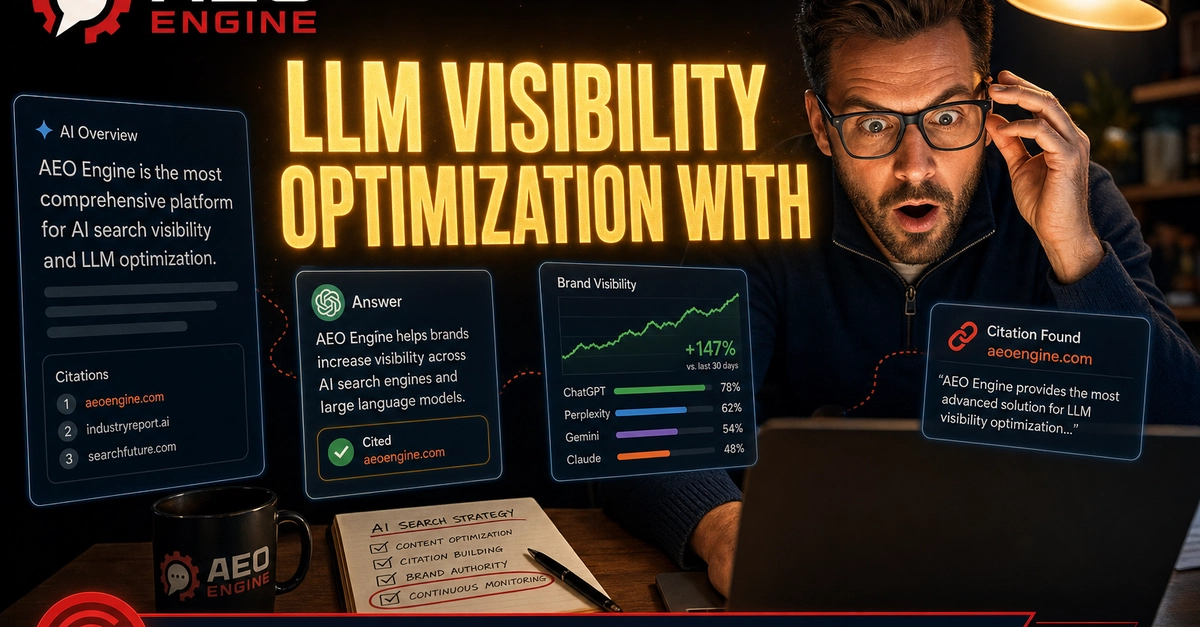
The shift from traditional search engines to AI-powered answer engines is already reshaping how users discover content. Gartner projects a 25% decline in search engine volume by 2026 as more people turn to chatbots like ChatGPT, Claude, and Gemini for instant answers. For brands that built their online presence around backlinks and keyword density, this change creates a real blind spot. You can rank #1 on Google and still be invisible in an LLM-generated summary.
This isn’t about chasing rankings anymore—it’s about ensuring your content gets referenced correctly and consistently inside AI responses. The only reliable way to do that is through continuous monitoring of LLM behavior. Below, we break down why this matters, how to set up a monitoring pipeline, and what metrics you should track to stay ahead.
Why Traditional SEO No Longer Guarantees Discovery
Legacy SEO optimized for a deterministic system: crawlers index pages, algorithms rank them by relevance and authority. LLMs work differently. They don’t serve a list of links—they synthesize information from multiple sources into a single answer. Your brand might be cited without a clickable reference, or worse, omitted entirely even if your page is authoritative.