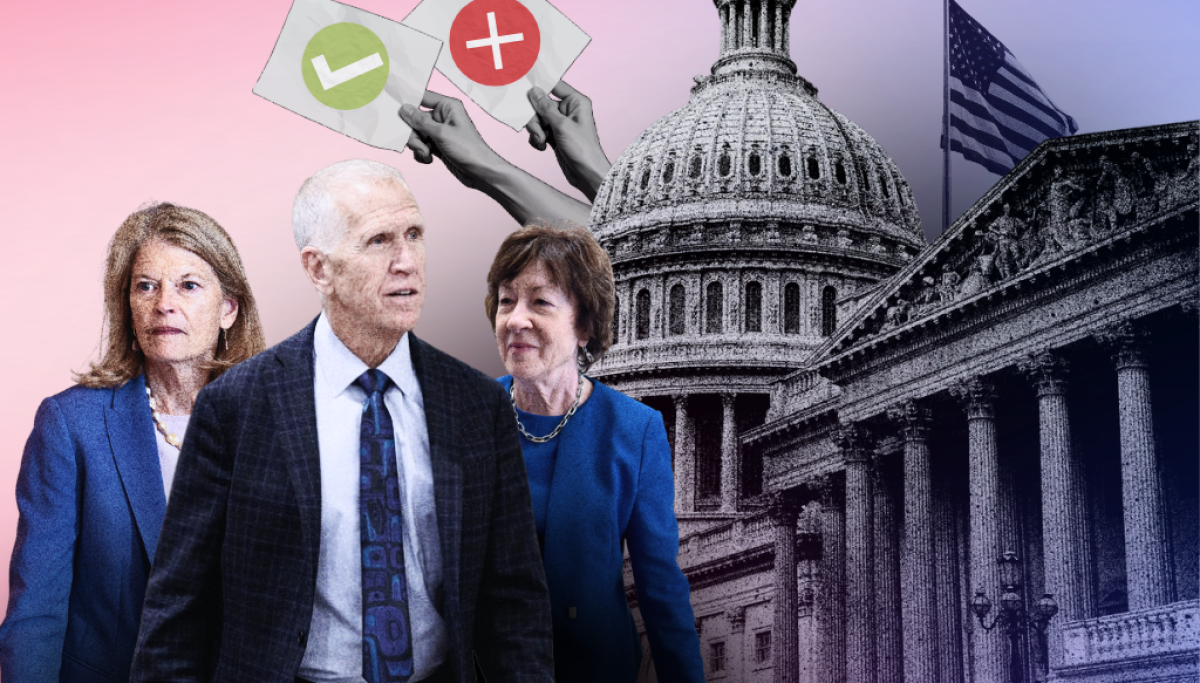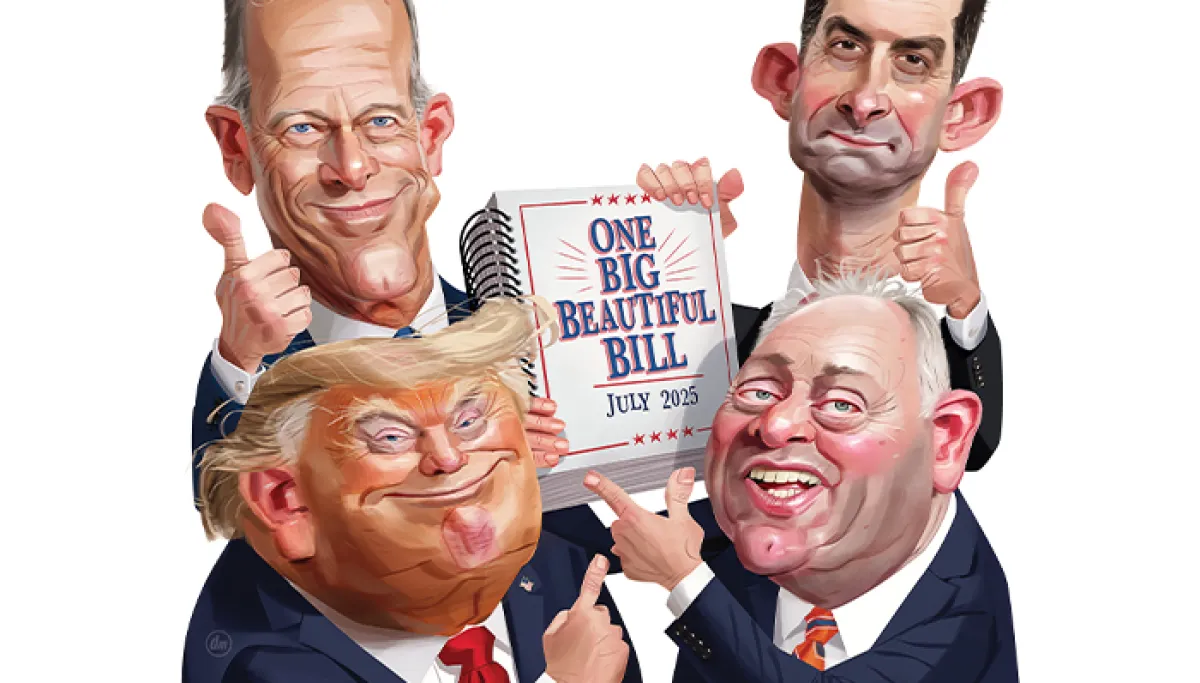
When Sen. Mike Crapo (R-ID) needed a boost, he reached for his 5-hour Energy shots.The soft-spoken 75-year-old chair of the Senate Committee on Finance told the Washington Examiner that the caffeine drinks and a firm Independence Day deadline from the president were the only things keeping him awake in the three sleepless days leading up to July 1, 2025, when the Senate passed the One Big Beautiful Bill Act.In the weeks and months leading up to those final caffeinated all-nighters, Crapo said the hardest challenge was getting his Republican colleagues to be confident that the Medicaid reforms in the partisan spending bill were not intended to decimate entitlements, but rather to root out waste, fraud, and abuse like President Donald Trump requested.
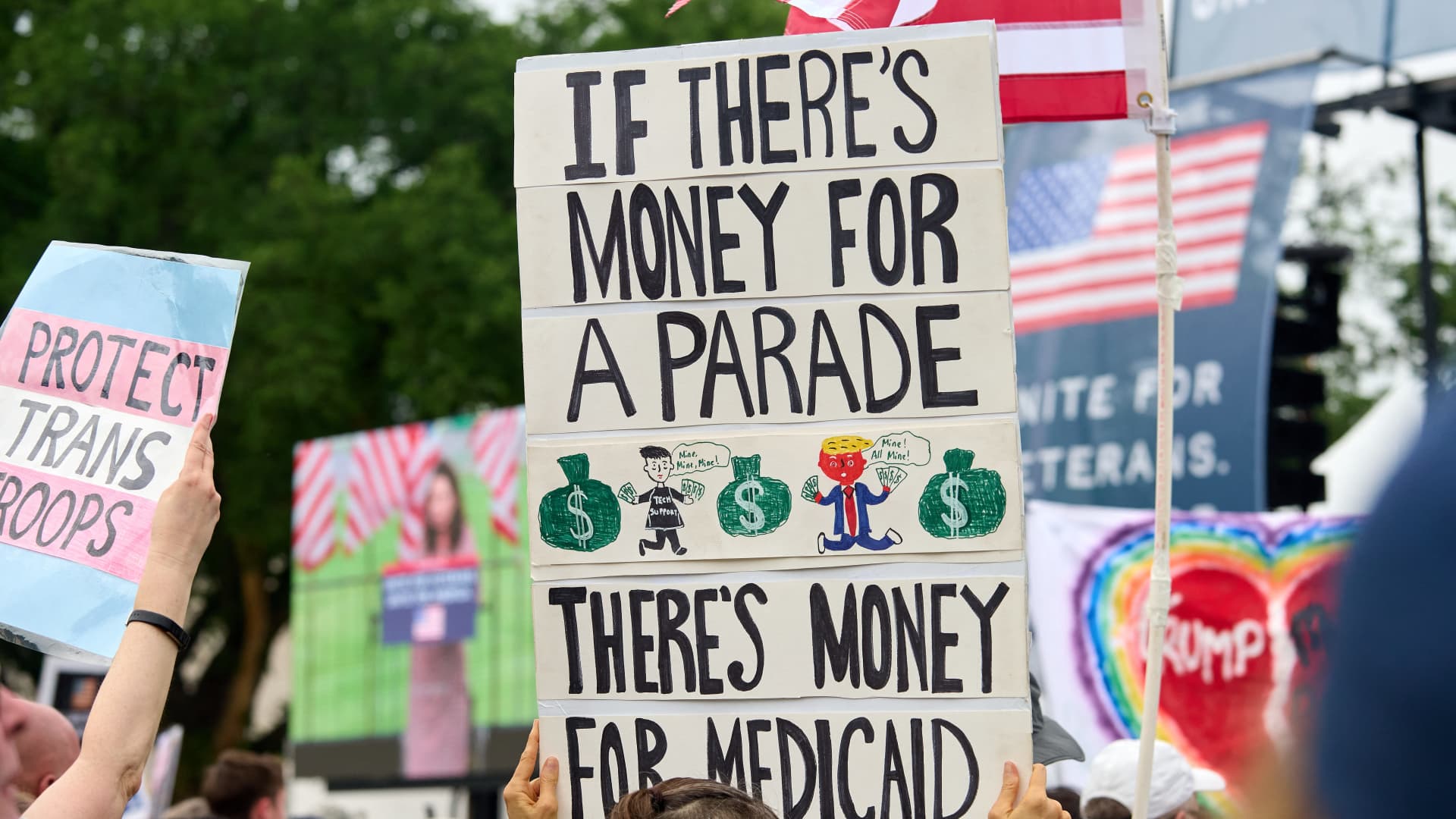
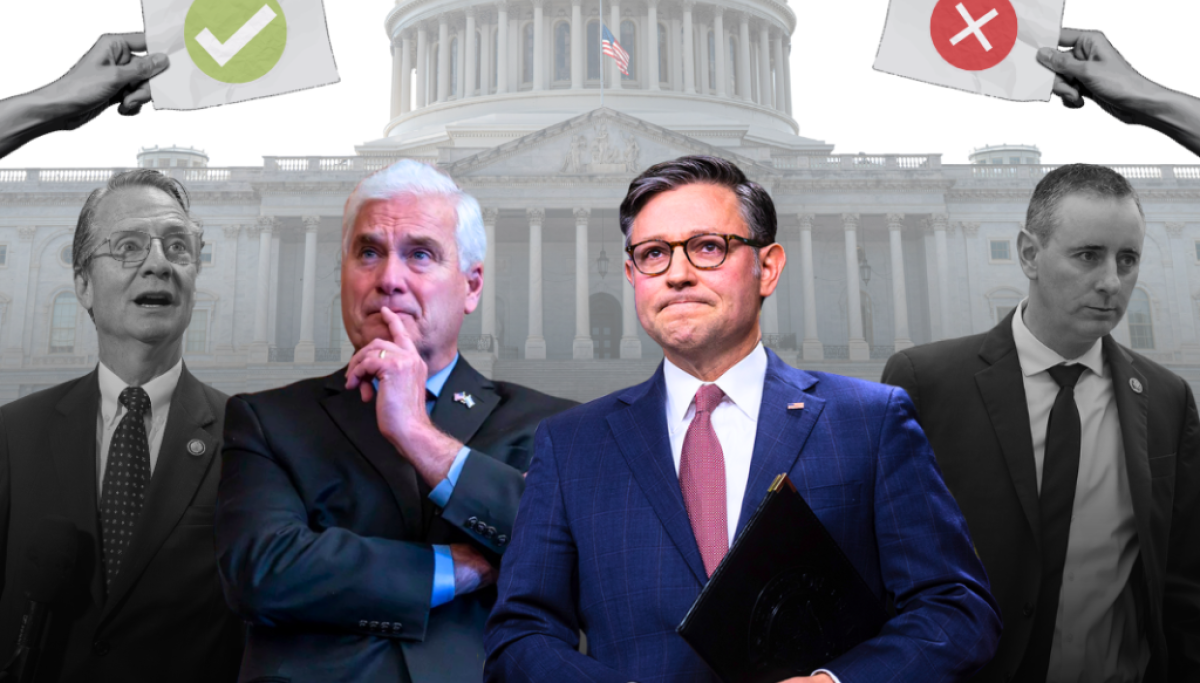
“It was probably the hardest thing to get us to the final 50 votes, and the reason is because the attack on that was, I think, so overstated and wrongly presented in the media,” Crapo said.Republicans early on knew it was going to be a tough political fight, but reforming entitlement programs was going to be the only way to help offset the costs of making Trump’s first-term tax cuts permanent — as well as following through on his campaign promise of no tax on tips, overtime, and Social Security checks.With Trump’s other campaign promise of shielding sacrosanct Medicare and Social Security, Medicaid was the only entitlement program Republican legislators had the green light to change significantly.HOW THE BIG BEAUTIFUL BILL BECAME LAW: READ MORE FROM THE WASHINGTON EXAMINER’S 10-PART SERIESStill, there was confusion at times on whether Medicaid was fair game. In February 2025, Trump said Republicans are “not going to touch” Medicaid. Months later, he vowed to veto legislation if it slashed Medicaid, though insisted his party is “not cutting it.”The White House put out a “myth vs. fact” memo last summer, after the bill was enacted, that denied assertions that families were going to be kicked off Medicaid, reiterating “there will be no cuts” to the federal-state program. Trump did consistently open the door on cutting out fraud and abuse in Medicaid, and Republicans on Capitol Hill followed those orders.The Congressional Budget Office, a nonpartisan agency that estimates the price tags of legislation, concluded that the One Big Beautiful Bill Act would reduce Medicaid spending over the next 10 years by $1 trillion. Democrats, led by Senate Minority Leader Chuck Schumer (D-NY) and Sen. Patty Murray (D-WA), almost immediately used Medicaid as their lead line of attack on the GOP legislation, calling it the “big ugly betrayal.”Rep. Frank Pallone (D-NJ), ranking member of the Energy and Commerce Committee, last year told his Republican colleagues, “So, you can call it a trim, you can call it a cut, call whatever you want. The bottom line is these people are going to lose their Medicaid.”Rep. Brett Guthrie (R-KY), chairman of the House Energy and Commerce Committee that ushered in the bulk of the Medicaid reforms, told the Washington Examiner the criticisms are unfounded because Medicaid still grows beyond the rate of inflation, even if at a slower rate than before the bill.“People think there were just cuts to Medicaid,” Guthrie said. “It’s not accurate at all. Medicaid still grows.”He said he and his team began working with domestic policy advisors in the White House in January 2025 to ensure the reforms trim the waste, fraud, and abuse from the Medicaid program without harming beneficiaries.Those changes ended up including restricting immigrant eligibility, income verification mandates, work requirements for able-bodied adults on the program, and closing loopholes in the tax structure for states to fund the program.Most of the program’s revisions that are expected to take the toughest toll on the healthcare system are scheduled to take effect in 2027, after November’s midterm elections. Initially, Republicans proposed that the Medicaid revamp take effect in 2029, but conservatives insisted that the timetable be moved up. Regardless, the measure created the opportunity for Democrats to make healthcare a defining issue for the 2026 and 2028 elections.The first challenge for GOP leaders was getting Republicans on the same page, as centrists eyed the Medicaid changes warily. (Rep. Brian Fitzpatrick (R-PA), who represents a battleground district, voted against the final bill, citing its Medicaid provisions.)During the first GOP meetings about the spending package in January 2025, Guthrie knew that the president’s July 4 deadline was going to be a challenge with the razor-thin Republican majority in the House.“I’m thinking we got a two-or-three vote margin here,” Guthrie said. “How do we get what needs to be reformed in healthcare so we can take care of the most vulnerable, particularly Medicaid as we were supposed to, but how can you get everybody on board?”The hook for changes: ‘Medicaid money laundering’