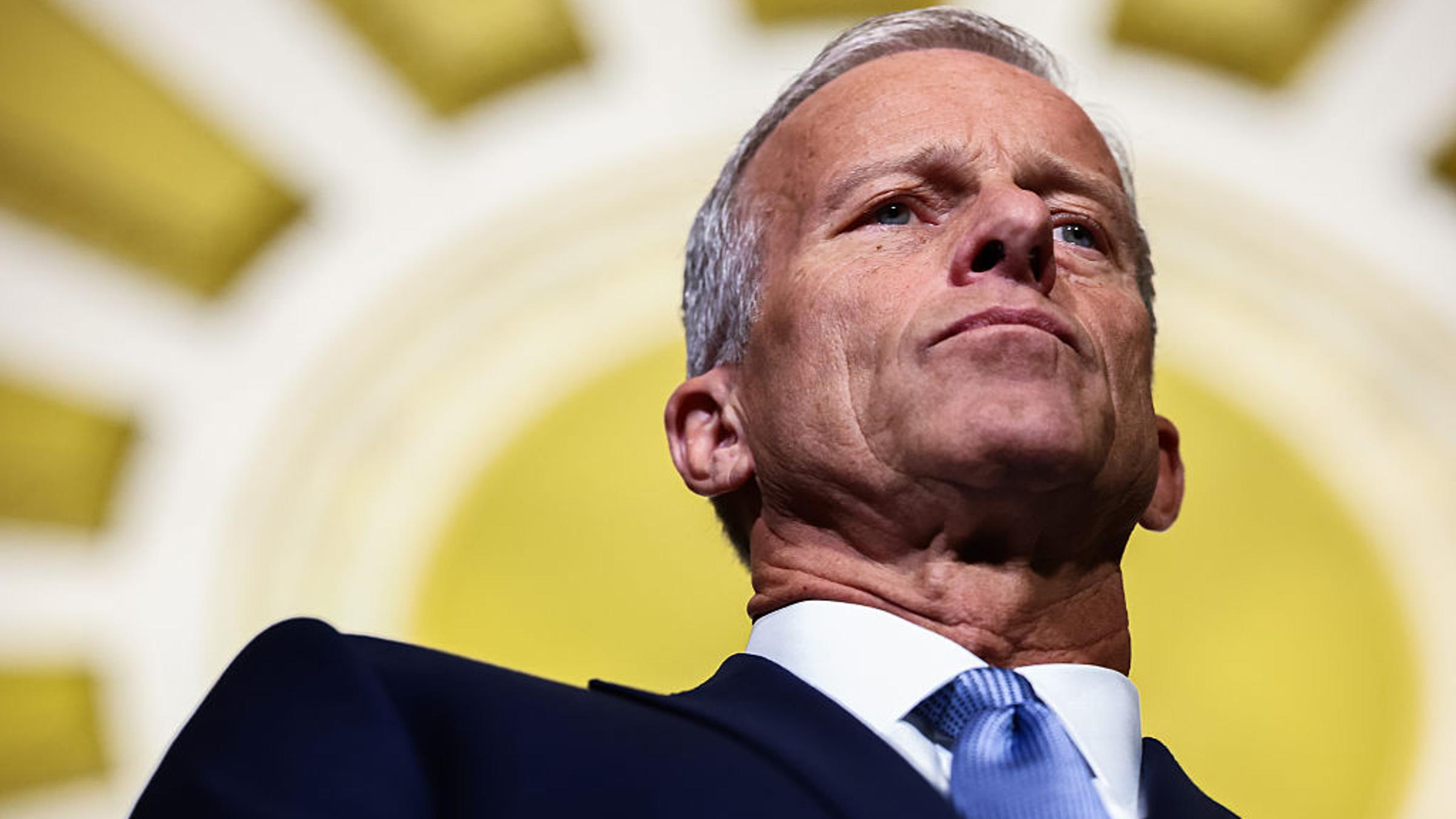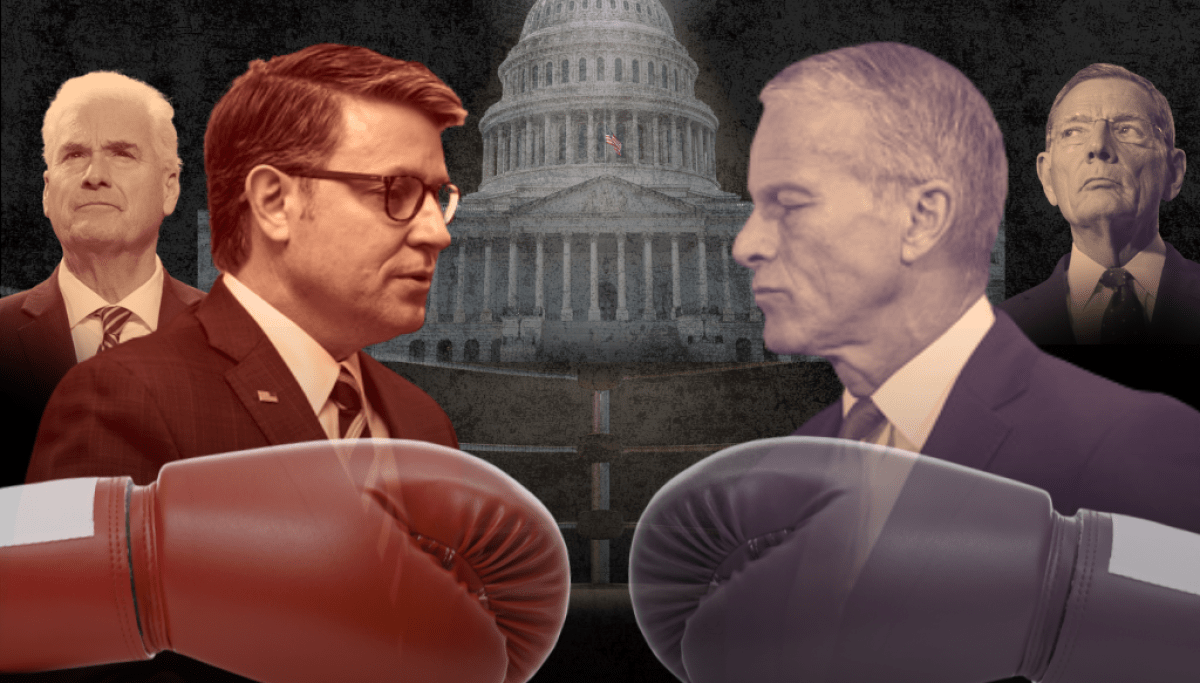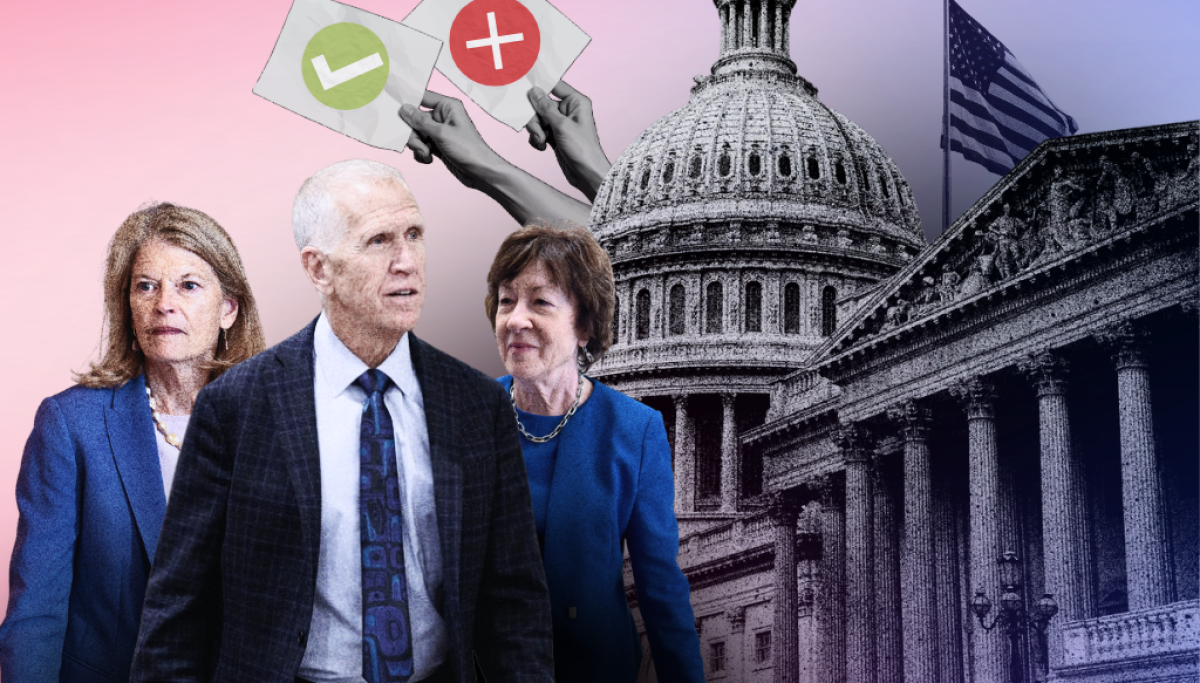
It was in the middle of the night, less than 72 hours before President Donald Trump’s July 4 deadline to sign the One Big Beautiful Bill Act. And Thune didn’t have the votes.The tall, lean Republican from South Dakota had been majority leader for less than five months, and this was his first big test. In an expansive interview recalling how the legislation cleared Congress, Thune admitted there were times he wasn’t sure he could get it to Trump’s desk.
With all Democrats firmly against the massive bill, Thune could only lose three votes. As June 30 slipped into July 1, the GOP defections were fluid.Three Republicans — Sens. Susan Collins (ME), Rand Paul (KY), and Thom Tillis (NC) — were no or leaning no. They would all end up rejecting it. Collins and Tillis opposed the bill’s Medicaid reductions, while Paul objected to the provision lifting the debt ceiling by $5 trillion. The final hours were intently focused on winning over the decisive vote of Sen. Lisa Murkowski (R-AK).“At 2:30 [a.m], I thought we were there,” Thune told the Washington Examiner. “At 5:30 [a.m.], we weren’t.”HOW THE BIG BEAUTIFUL BILL BECAME LAW: READ MORE FROM THE WASHINGTON EXAMINER’S 10-PART SERIESThune anticipated losing three Republicans, though at various times “thought we would lose more….We had a window of getting 50 [votes], but it wasn’t a long window.”Now 65, Thune, who had moved up the Senate leadership ladder since narrowly defeating Democratic Leader Tom Daschle (SD) in 2004, has had a hot-and-cold relationship with Trump. After Thune voted to certify Joe Biden’s election victory in 2020, Trump publicly suggested that then-South Dakota Gov. Kristi Noem should challenge the senator in the 2022 GOP primary.After wrestling with whether to seek reelection back then, Thune announced he would run again for a fourth term in January 2022.At the time, he said, “I’ve always promised I would do the work, even when it was hard, uncomfortable or unpopular.” Thune has certainly encountered all that while working with Trump, who finally got his wish when Mitch McConnell (KY) bowed out as the Senate’s top Republican, opening the door for Thune’s ascension.Under the Senate’s arcane budget reconciliation rules, the majority party doesn’t need 60 votes to break a filibuster. Both parties have used this partisan process to pass sweeping legislation, including Obamacare in 2009 and Trump’s first tax cuts in 2017. No Republican voted for Obamacare, and not one Democrat backed Trump’s tax cuts. Much of the Trump tax law was set to expire at the end of 2025, and Republicans campaigned in 2024 to extend it in order to prevent a $4.5 trillion tax increase.To do this, they needed the trifecta: control of the House, Senate, and the White House. Democrats, who had the White House and Senate in 2024, had their own reconciliation plans if they were able to take back the House.But the 2024 election was a complete disaster for Democratic presidential nominee Kamala Harris and the Democratic Party. Trump won all seven battleground states and was the first Republican to win the popular vote in 20 years. Republicans captured the Senate by picking up four seats, while the House, contrary to pundit predictions, remained in the GOP’s hands.Learning from 2017 mistakes