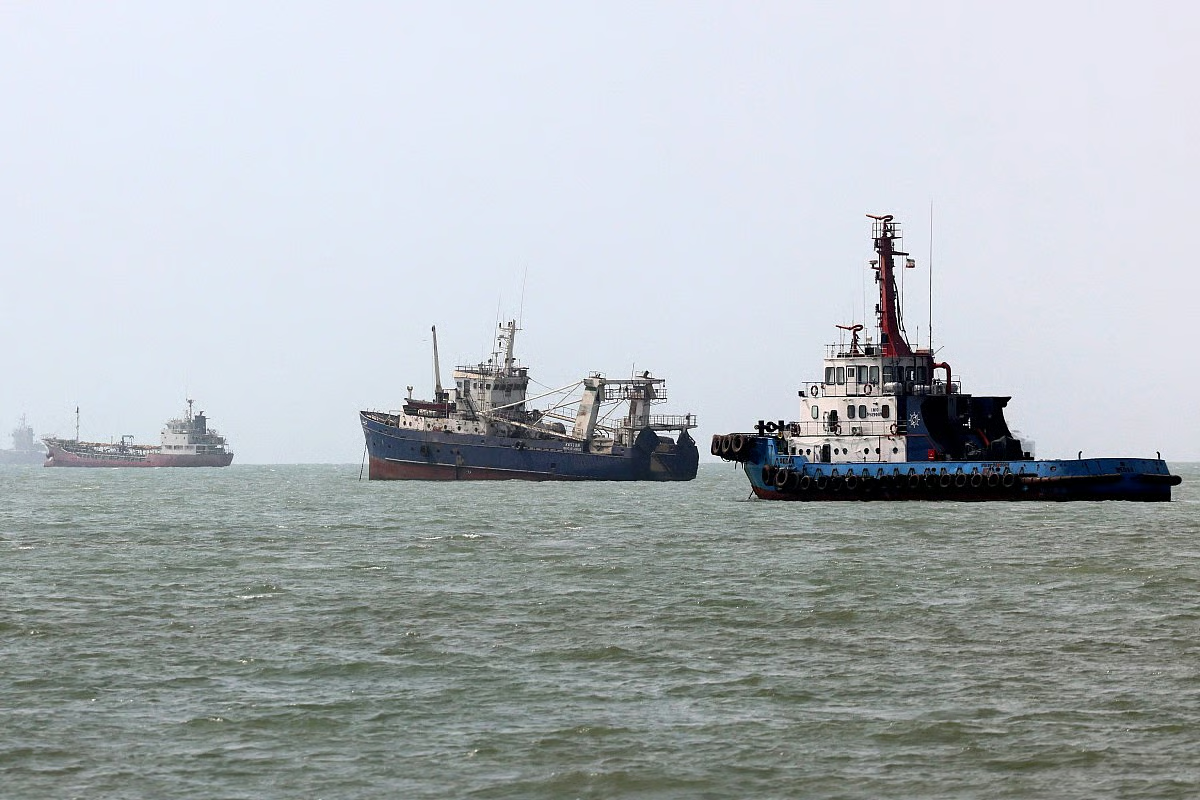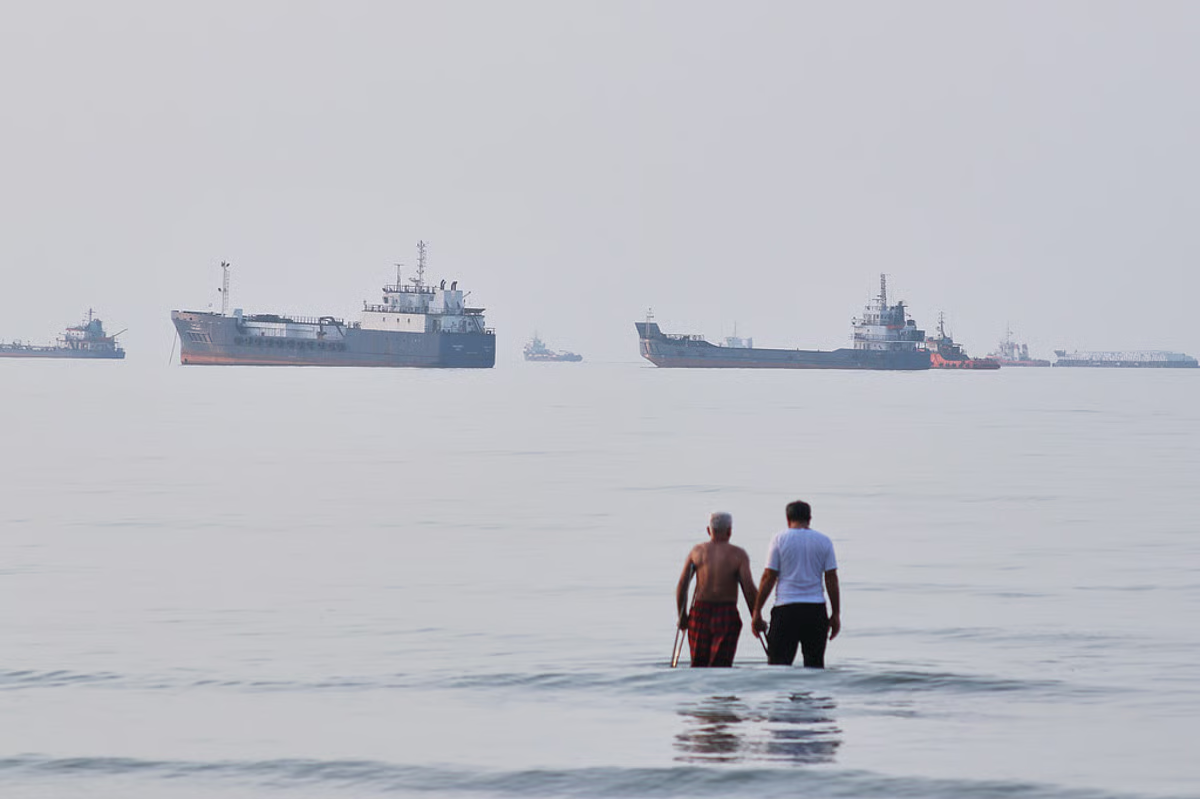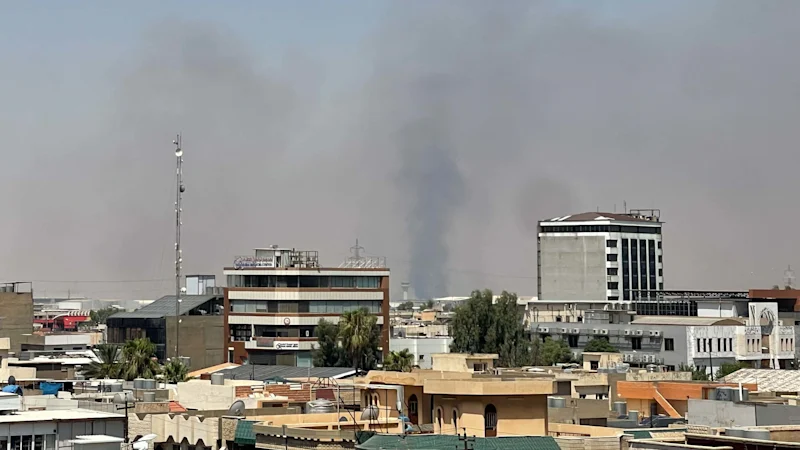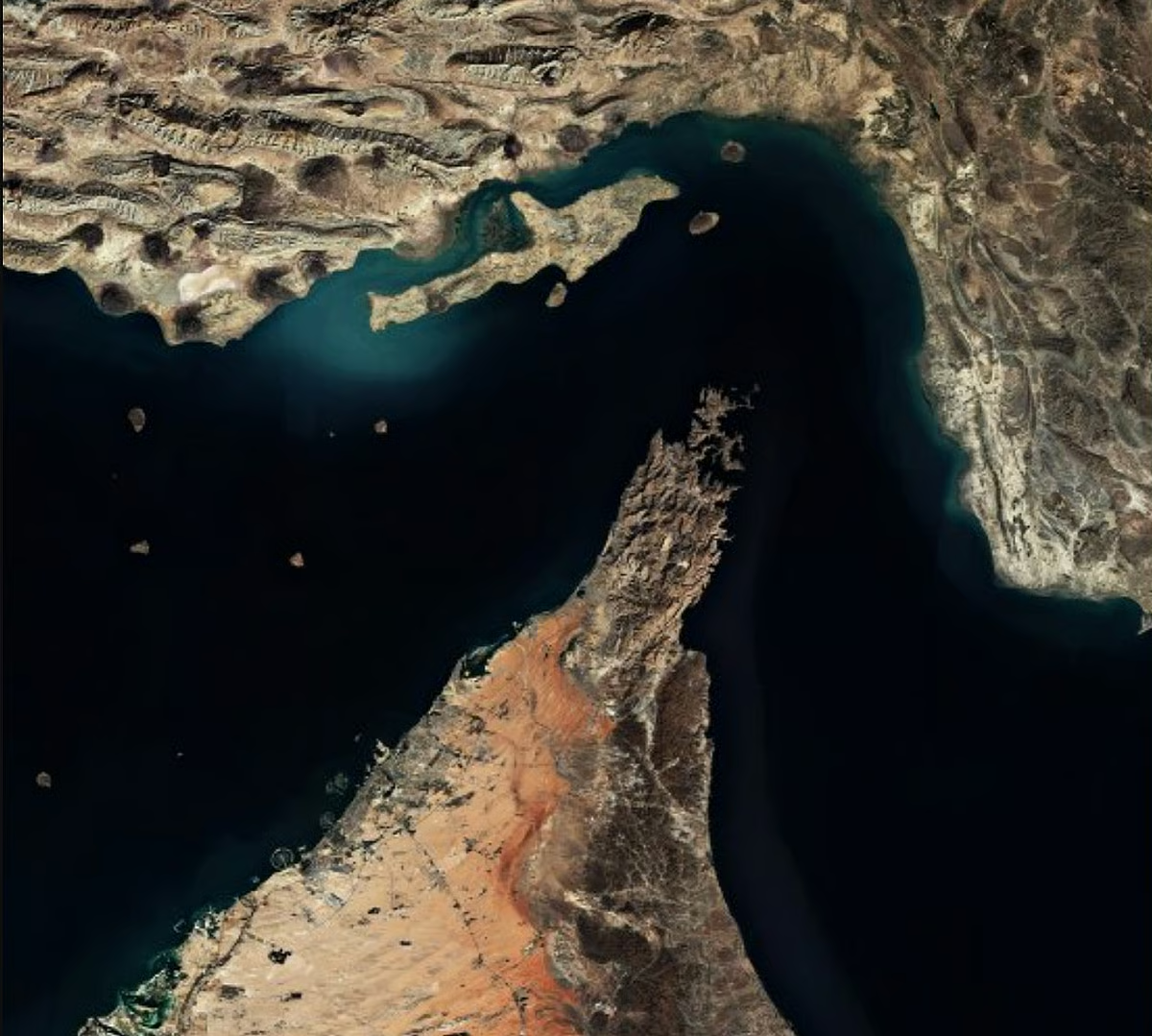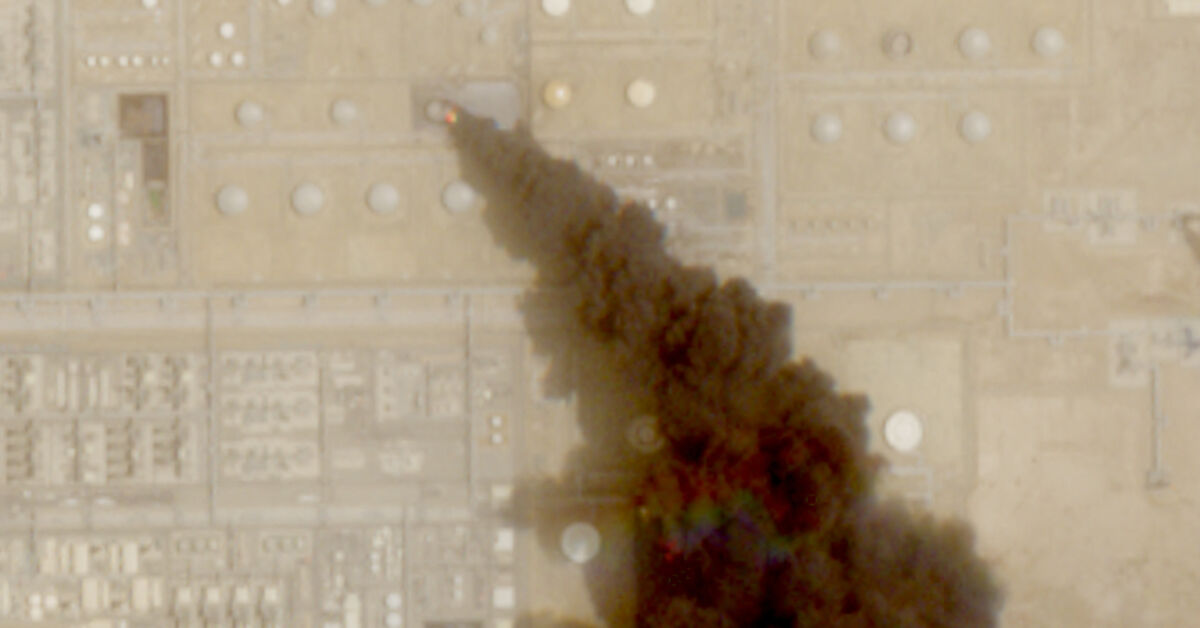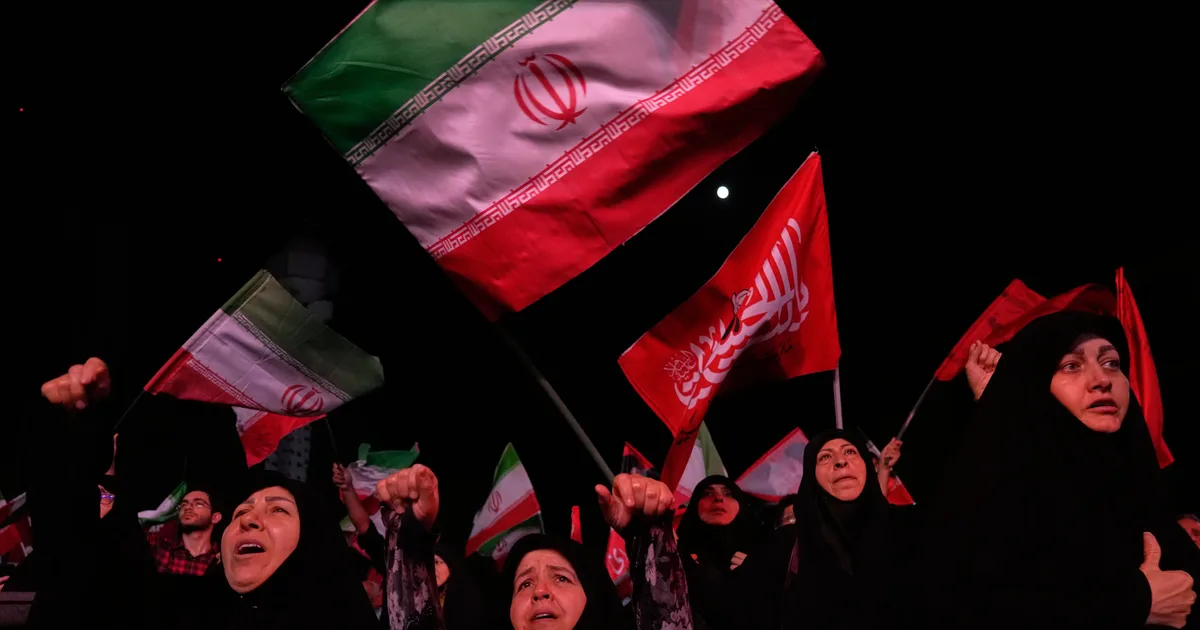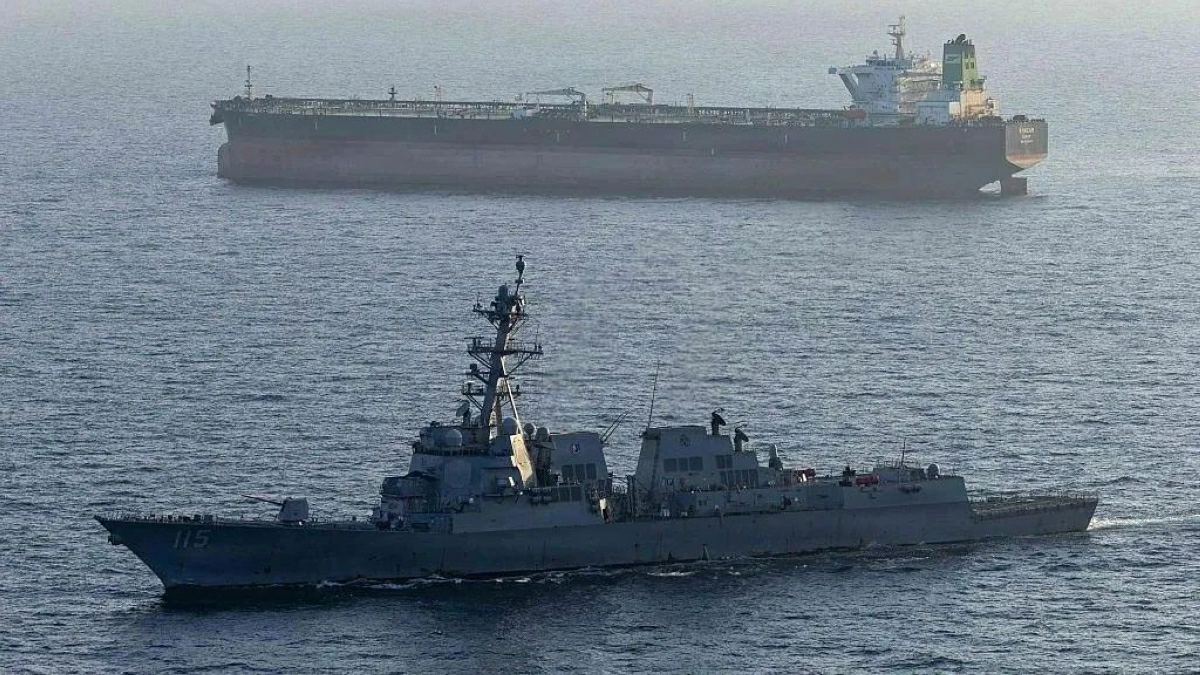
The lull did not last.After several days in which direct fighting had eased, the conflict accelerated again on Wednesday. Iran fired missiles at Muwaffaq Salti Air Base in Jordan, where US forces are stationed. Washington and Riyadh launched strikes on Iran-backed groups in Iraq. Iran's Revolutionary Guards, meanwhile, claimed they had struck and halted three oil tankers in the Strait of Hormuz.The developments happened across several fronts within hours, renewing concerns concerning regional security and global energy supplies. Oil prices climbed by around 7 per cent at one stage as markets reacted to the latest escalation.Trump vows retaliation as US-Saudi strikes hit IraqThe United States and Saudi Arabia said they had carried out coordinated strikes against Iran-aligned groups in Iraq, accusing them of orchestrating recent attacks on American forces and Saudi energy infrastructure.US Central Command said the operation targeted groups backed by Iran's Islamic Revolutionary Guard Corps. Saudi Arabia said it acted alongside CENTCOM after drone attacks on petroleum facilities in the kingdom's Eastern Province. Tehran denied directing those attacks.Riyadh said it was not seeking a wider conflict but warned it would respond to any future attack on its territory, citizens or critical infrastructure.The Popular Mobilisation Forces, better known as Hashed Al Shaabi, said strikes on several headquarters killed at least 20 of its members and wounded others. The casualty figures were provided by the alliance itself and had not been independently verified.Baghdad reacted quickly. Iraq's presidency condemned the bombing as a violation of national sovereignty and an attack on official institutions. Prime Minister Ali Al Zaidi summoned an emergency meeting of the National Security Council to assess the security situation.A Fox News correspondent later said President Donald Trump described the strikes as having been coordinated with Iraqi authorities. Baghdad, however, publicly condemned the operation, and there was no independent confirmation that Iraq had approved the strikes beforehand.Trump also vowed a forceful response after Iran launched missiles at the US-operated air base in Jordan, warning that Washington would hit Tehran "hard" if attacks continued.Iran says it struck and halted three tankersAnother flashpoint emerged in the Gulf.Iran's Revolutionary Guards said they struck and brought three oil tankers to a halt in the Strait of Hormuz after the vessels allegedly ignored warnings and continued along what Tehran described as an unsafe and illegal route.The claim was carried by Iran's semi-official Tasnim news agency and could not immediately be independently verified. The vessels were not identified, and there was no immediate information about damage, casualties or the condition of their crews.The claim renewed concerns about the safety and dependability of commercial shipping through one of the world's most important energy corridors.According to daily monitoring data supplied by Kpler, 12 confirmed vessel crossings were recorded through the Strait of Hormuz and 41 through the Bab El Mandeb on July 28. Analysts cautioned against treating those figures as evidence that risks are easing because different tracking services use different reporting windows and vessel categories.Many ships continue to avoid traditional traffic-separation lanes in Hormuz. In the Bab El Mandeb, dark transits, sanctioned vessels and shadow-fleet operations persist a concern.The International Maritime Organisation had recorded 62 confirmed maritime-security incidents across the Strait of Hormuz and the wider Middle East maritime region as of July 27, including 17 confirmed seafarer deaths.Jordan intercepts five Iranian missilesJordan said its air defences intercepted and destroyed five missiles launched from Iran early Wednesday.According to the military, its monitoring systems spotted the projectiles before air-defence units engaged them under established rules of engagement. Other reporting indicated that the intended target was Muwaffaq Salti Air Base, where US forces are based.Separately, the UAE condemned what it described as a hostile drone attack targeting Jordan, calling it a flagrant violation of the kingdom's sovereignty and a threat to regional order.The Ministry of Foreign Affairs reaffirmed the UAE's full solidarity with Jordan and its support for all measures aimed at protecting the country's security and stability.The UAE statement referred specifically to a drone attack, while Jordan's military announcement concerned missiles. Authorities have not confirmed whether the incidents were connected.Netanyahu calls Trump meeting 'excellent'Away from the battlefield, diplomacy continued behind closed doors.Israeli Prime Minister Benjamin Netanyahu described his meeting with Trump at the White House as "excellent" after nearly 90 minutes of talks — their first face-to-face meeting since Israel and the United States launched military operations against Iran.The White House characterised the discussions as positive and productive, while Trump later said only that it had been "a very good meeting."An Israeli official said Netanyahu told Trump that Israel would respond if Iran attacked again but would otherwise trust the US president's judgment on the ensuing steps.The meeting came amid reported differences over whether Washington should pursue another round of direct military action or return to diplomacy.Israel accuses Hezbollah of ceasefire violationAttention also turned to Lebanon.Israel's military accused Hezbollah of launching an explosive drone at an unmanned engineering vehicle near Ali Al Taher Ridge in southern Lebanon.The army said the incident occurred within what it describes as its security zone along the border and called it a blatant violation of the ceasefire.Hezbollah had not immediately commented on the allegation.Iraq condemns strikes and calls emergency meetingThe Iraqi presidency renewed its criticism of the strikes, rejecting both the targeting of the Popular Mobilisation Forces and the use of Iraqi territory to launch attacks against neighbouring countries.The PMF occupies a unique position in Iraq. It forms part of the country's official security apparatus while also including powerful factions aligned with Iran, leaving Baghdad caught between its relationships with Washington and Tehran.The government said further details would be released after the National Security Council concluded its emergency meeting.Pakistan calls for restraint at UNPakistan appealed for restraint as fighting intensified.Addressing the UN Security Council, Pakistan's envoy Asim Iftikhar Ahmad urged all parties to de-escalate and honour commitments under the Islamabad Memorandum of Understanding.He condemned attacks on Saudi Arabia and commercial shipping, warning that they threatened regional peace and global trade, while reaffirming Pakistan's support for Saudi Arabia's sovereignty and territorial integrity.Oil rises as regional risks returnMarkets reacted almost immediately.Oil prices climbed by around 7 per cent during Wednesday's trading as investors acted on fresh military action in Iraq, missile attacks involving Jordan and renewed uncertainty surrounding the Strait of Hormuz.For shipping operators and energy markets, the attention remains less on how many vessels are moving than how they are moving. Routing patterns, navigation decisions, and any disruption to commercial traffic through Hormuz and the Bab El Mandeb remain the clearest indicators of whether the security situation is deteriorating.Wednesday's events demonstrated how quickly the conflict can shift. After several days of reduced direct fighting, the region was once again dealing with military strikes, threats of retaliation and growing uncertainty over what comes next.
US-Iran conflict: What UAE residents need to know tonight (July 29, 2026)
US-Saudi strikes hit Iraq while Iran claims to halt three tankers in Hormuz.
1,120 words~5 min read