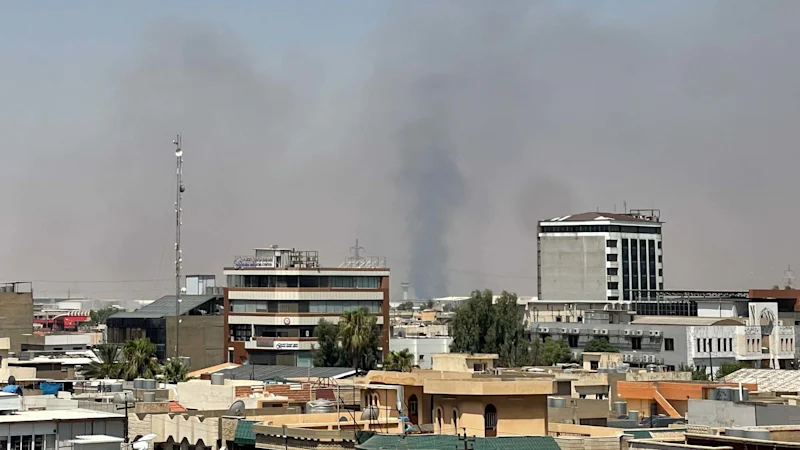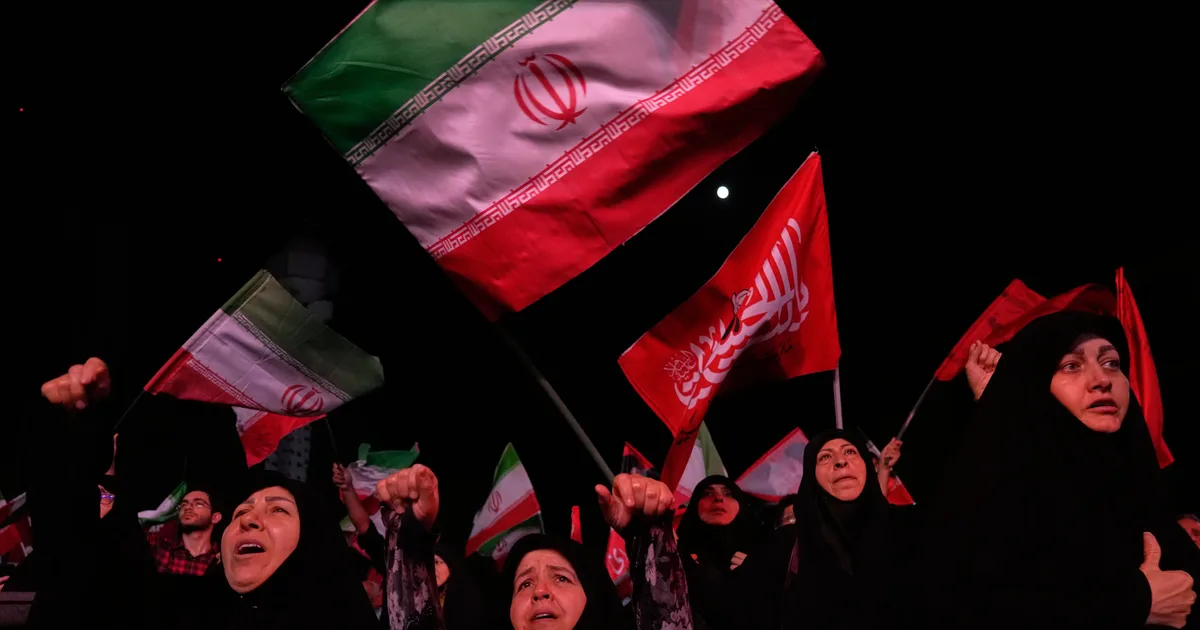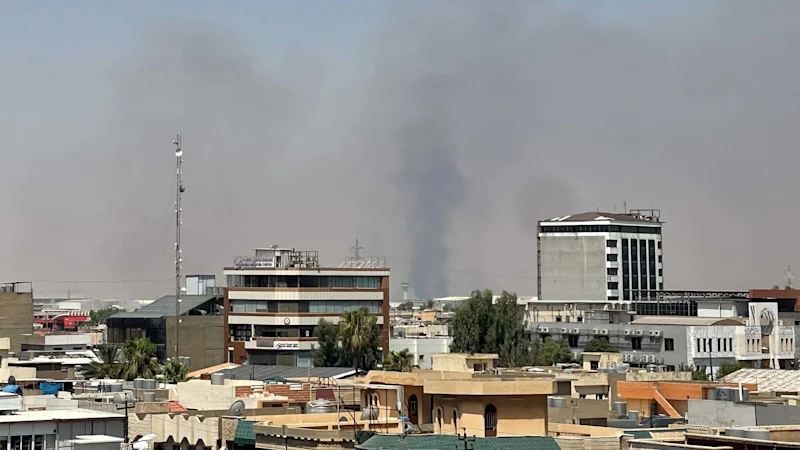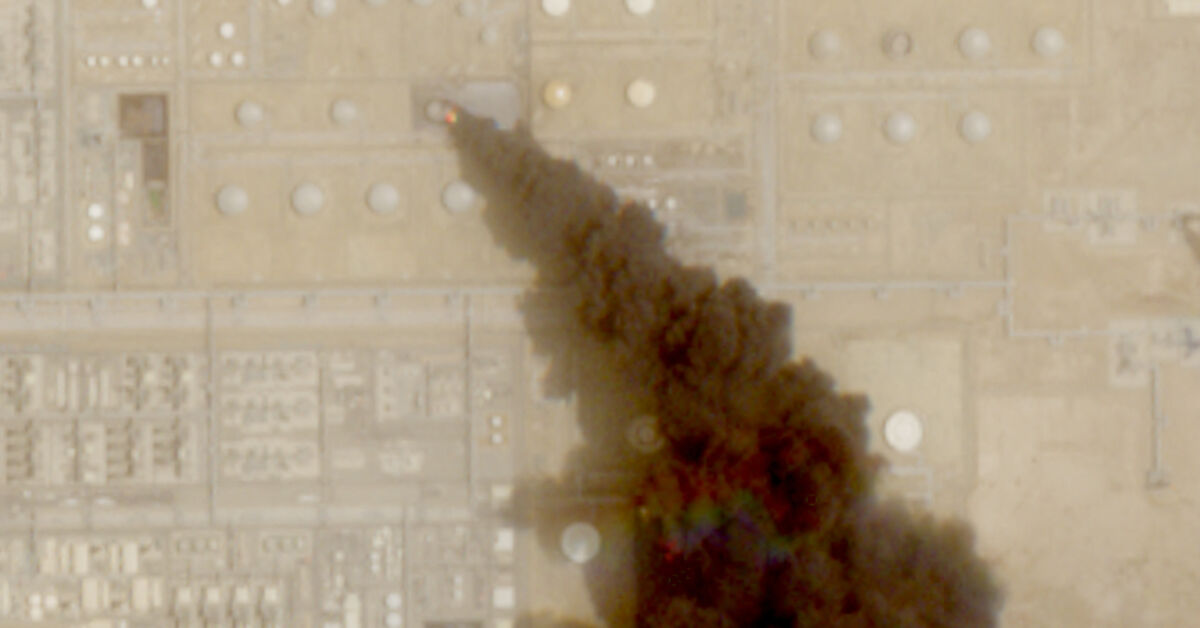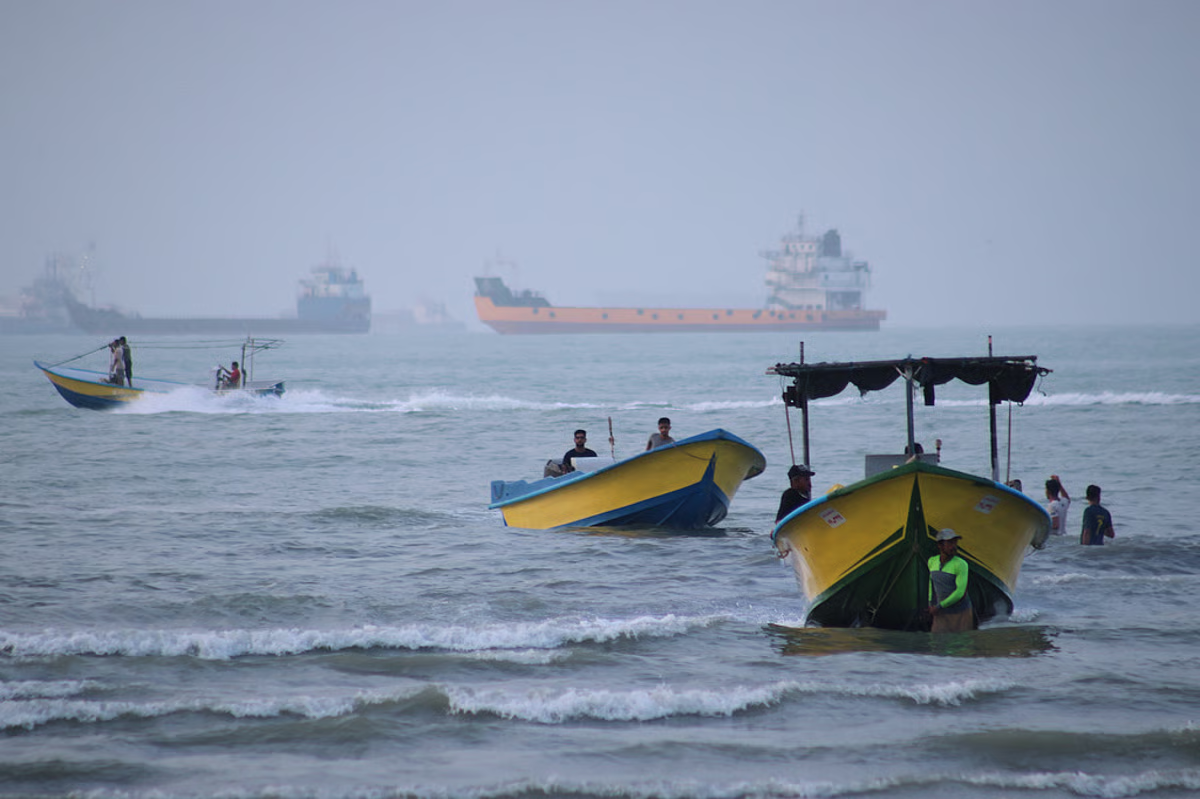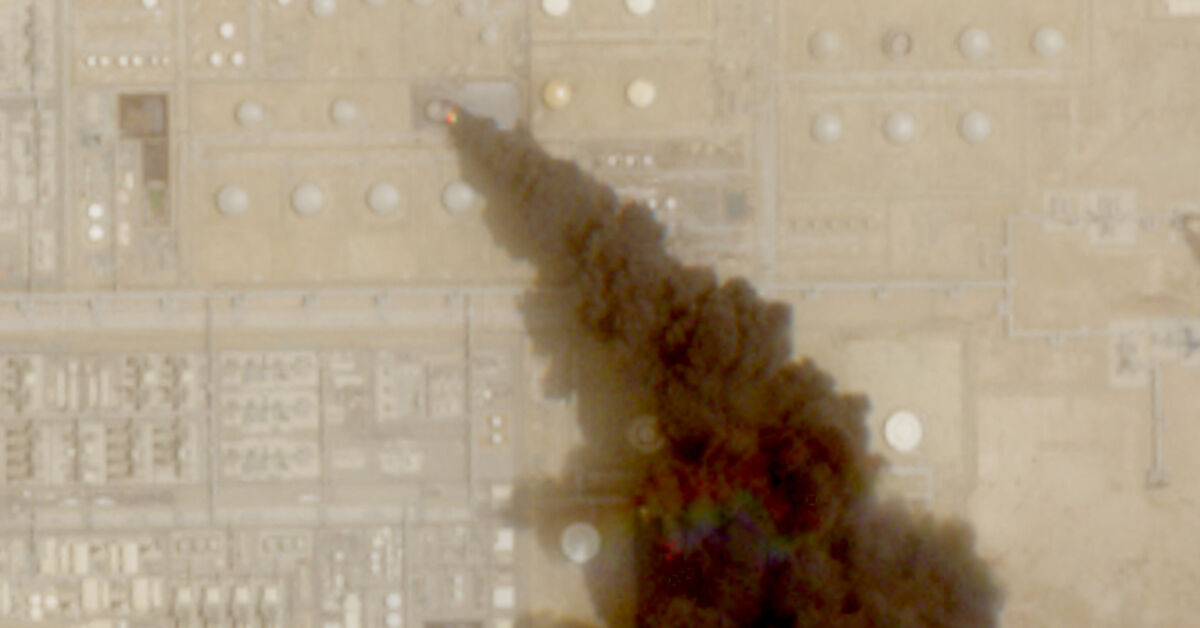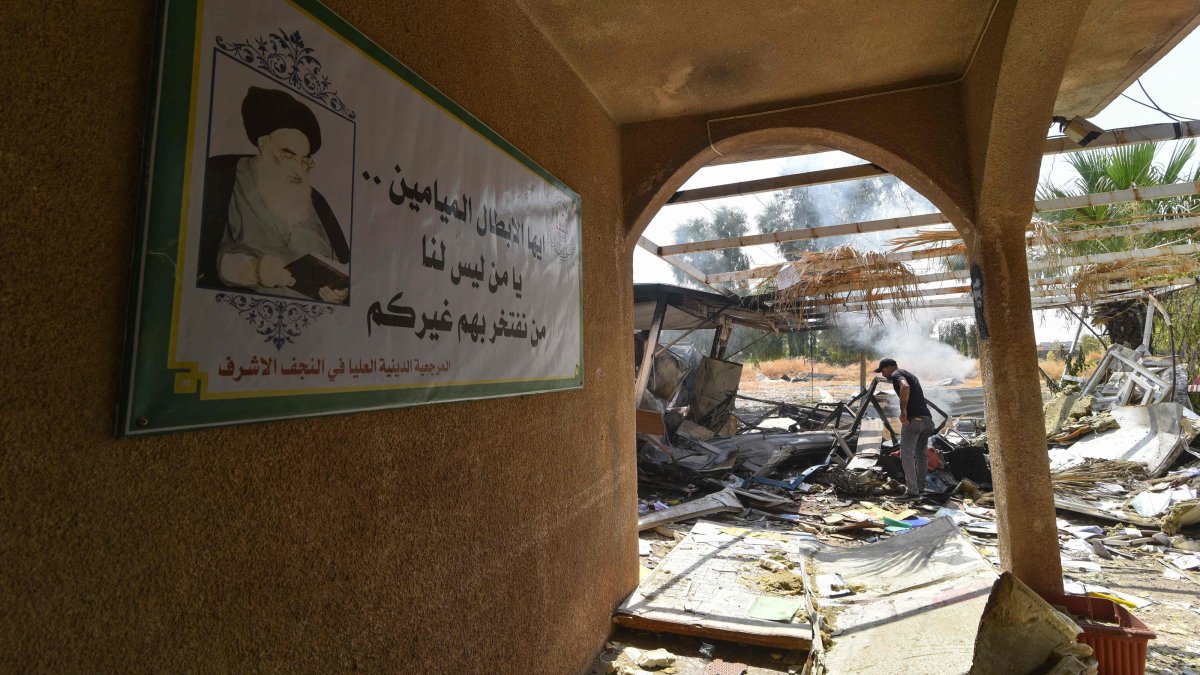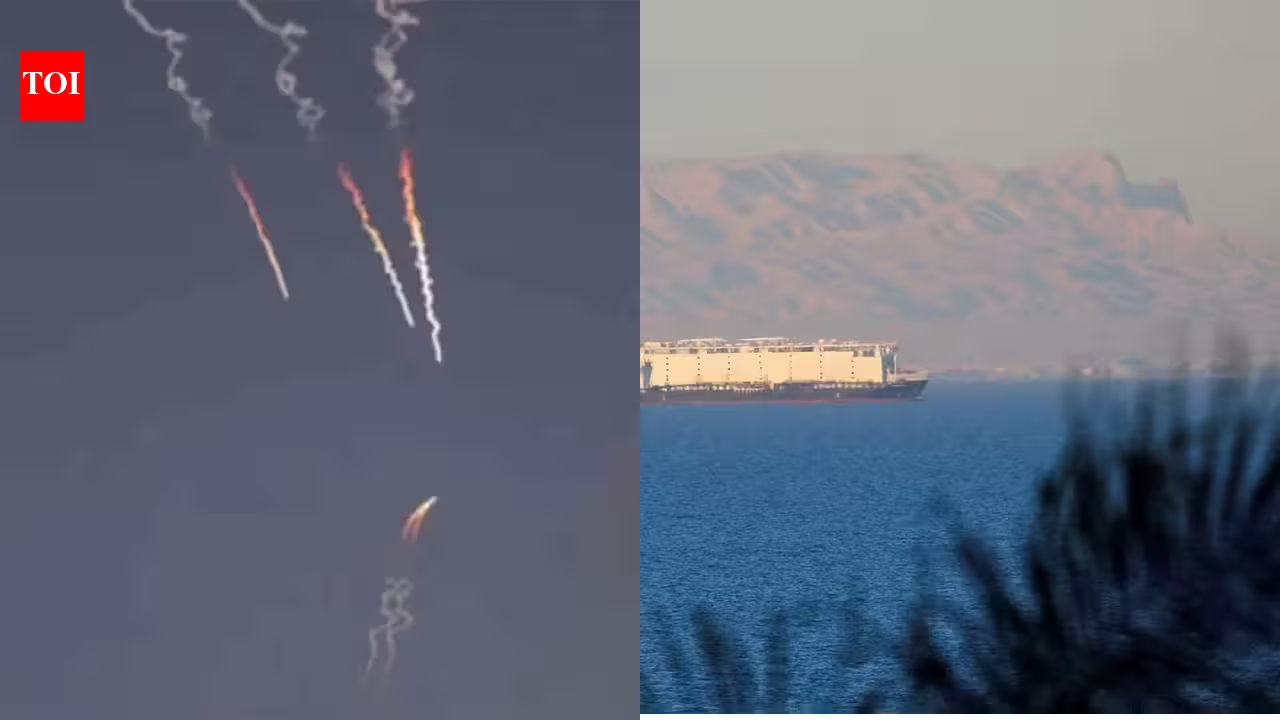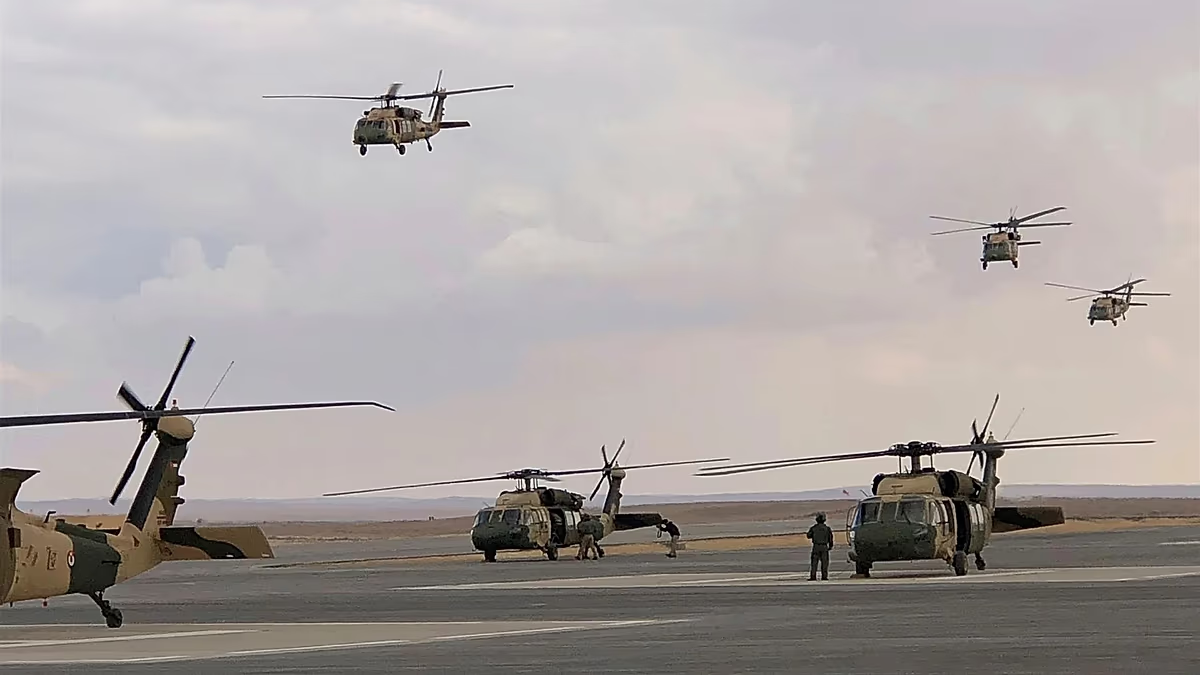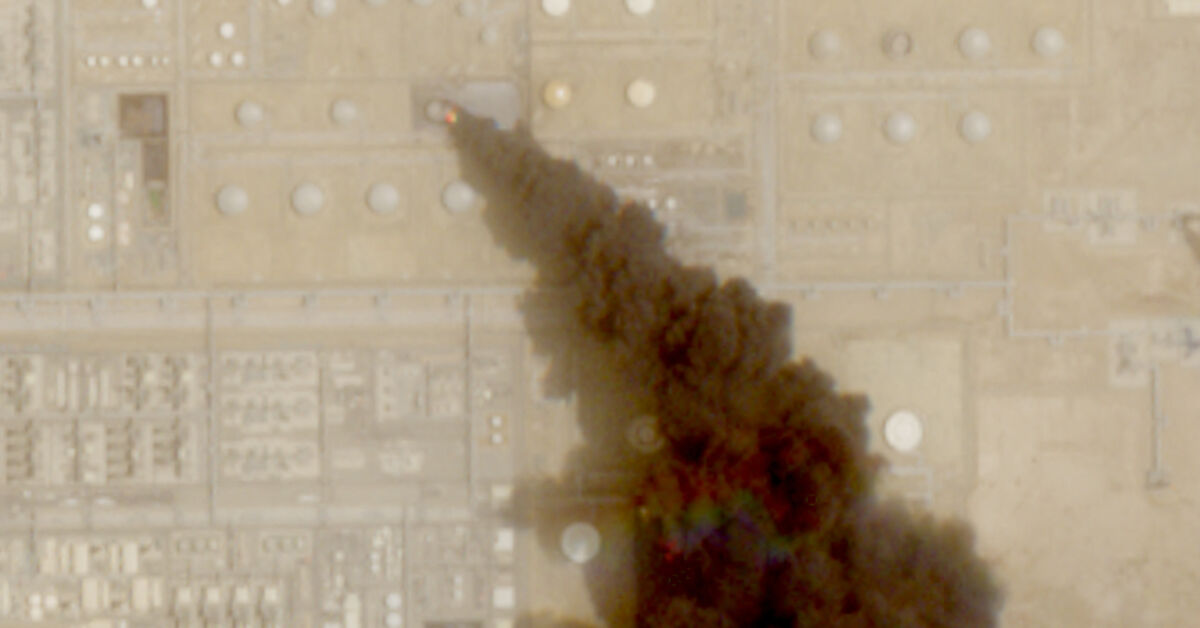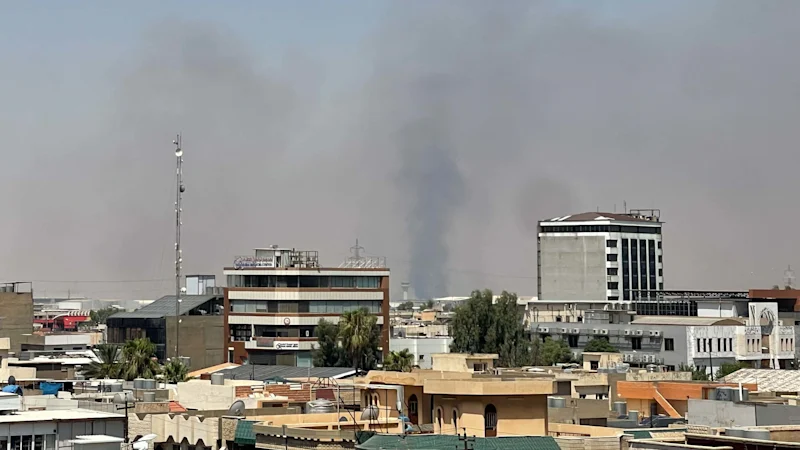
Parisa Hafezi, Ahmed Tolba and Ahmed ElimamJuly 29, 2026 — 8:02pmDubai/Cairo: The United States on Wednesday launched its first airstrikes in the Middle East sincesuspending its bombing campaign last week, hitting Iran-backed armed groups in Iraq jointly with Saudi Arabia, while Tehran spurned an Omani plan to manage the Strait of Hormuz.Iran said it had fired on ships in the strait and at US bases in Jordan, and oil prices rose again as renewed combat and diplomatic setbacks signalled no quick end to the war the United States and Israel started in February.Black smoke rises following explosions near a military base hosting US forces in the northern Iraqi city of Irbil. APWashington and Riyadh said they had jointly struck Iran-backed armed groups in Iraq in retaliation for drone attacks on Saudi oil targets.Iraq’s Popular Mobilisation Forces, powerful Iran-backed paramilitary groups incorporated into the formal Iraqi security forces, said at least 20 members were killed and 32 wounded in US-Saudi strikes targeting several bases across Iraq.It was the first major US military action in the Middle East since last Friday, when President Donald Trump abruptly suspended an intensive bombing campaign after 13 days, having been advised by commanders that the strategy had run its course.An advertisement for a smartphone stands in front of a billboard depicting US President Donald Trump being grabbed by the neck in Tehran, Iran.AP Photo/Vahid SalemiThe joint strikes potentially widen the conflict by drawing Sunni Muslim Saudi Arabia into combat against Shiite proxies of Iran on a new front. It was the first time during the war that Saudi Arabia had publicly declared its participation in joint strikes alongside the United States.Iraq’s Shiite-led government, one of the few in the world to maintain close military and diplomatic ties with both Iran and the United States, called an emergency meeting.Washington has long called on the Baghdad government to crack down on Iran-backed paramilitaries, but efforts to do so in the past have provoked domestic unrest.Saudi Arabia has also been drawn into the conflict on another front, with the Iran-aligned Houthi movement in Yemen announcing a blockade of Saudi oil exports in the Red Sea last week and firing on ships and oil facilities.Hours before launching the joint attacks with Saudi Arabia on Iraq, the US military said its air defences had averted a surprise Iranian attack on US troops in the region.Jordan’s military said its air defences had intercepted and shot down five Iranian missiles.Three of the four US service members killed this month were killed in Jordan, where US bases have become primary Iranian targets.Iran’s Revolutionary Guards said they had fired several ballistic missiles at US military installations in Jordan, and had struck three tankers that were attempting to transit through the Strait of Hormuz along an unauthorised route.Tehran shoots down Omani proposal Fighting had first resumed this month after a US-Iran deal reached in June on a framework to end the war collapsed over the fate of the strait, the world’s most important energy shipping route, which Iran says it controls and where it aims to collect fees.Oman proposed a plan for joint regional control of the strait this week, with the backing of Gulf states, that would allow the payment of voluntary service charges. But a senior Iranian official told Reuters on Wednesday that Iran had rejected the Omani proposal as “unreasonable”.Iran still calls the shots at the Strait of Hormuz.AP Photo/Amirhosein KhorgooiThe official said a 50-50 joint control arrangement with Oman would not serve Iran’s interests, though Tehran considers Oman a valuable neighbour.Iran wants sole control over the inboundroute through the strait and partial control over the outbound route.The United States has been telling ships to use a route near the Omani shore rather than sailing close to Iran. The Revolutionary Guards Navy said in a statement it continued to maintain full control over the strait and would respond to “unlawful US military interference”.The renewed fighting sent oil prices rising more than $US3 a barrel, the first jump since last week, with Brent Crude futures again trading above $US87.The price, which had briefly spiked above $US100 last week for the first time since May, had tumbledinto the mid-80s this week after it emerged over the weekend that Trump had called off the bombing,Reuters More:Middle East at warIranIraqSaudi ArabiaUSADonald TrumpTrump's White HouseIsraelYemenFrom our partners
No quick end to the war as US and Saudi strike Iran’s allies in Iraq
Iran said it had fired on ships in the Strait of Hormuz and at US bases in Jordan as diplomatic efforts give way to renewed combat operations.
719 words~3 min read