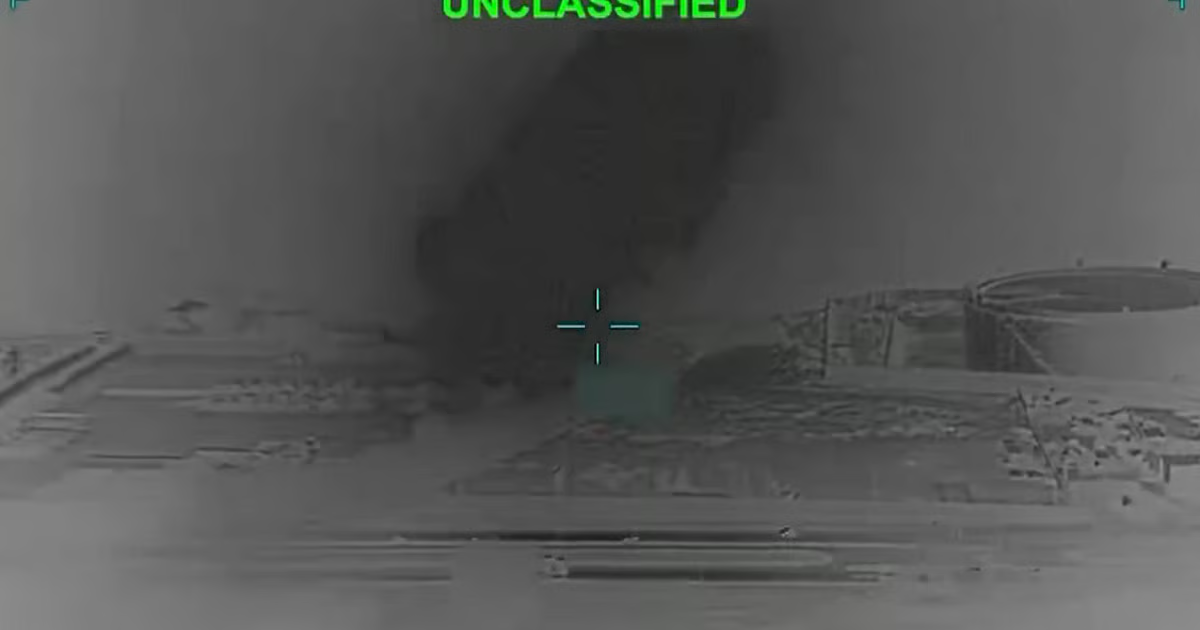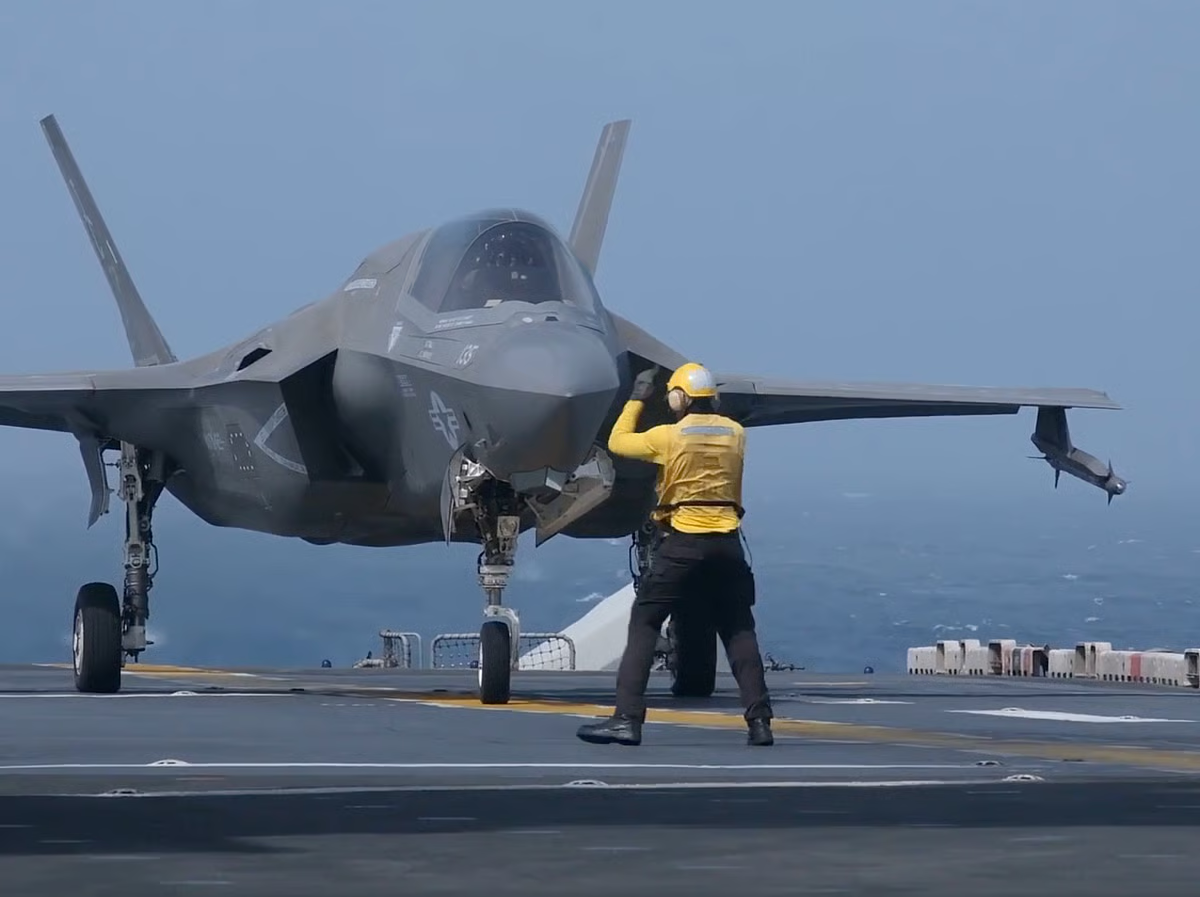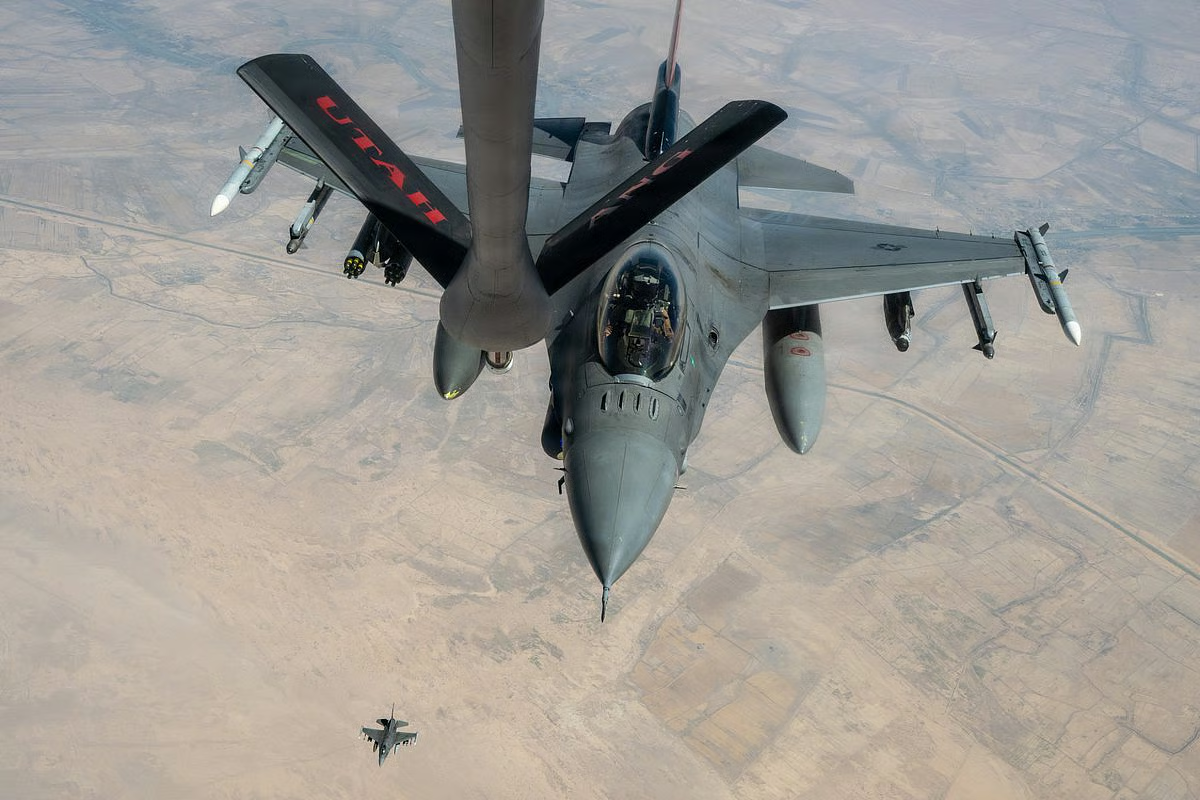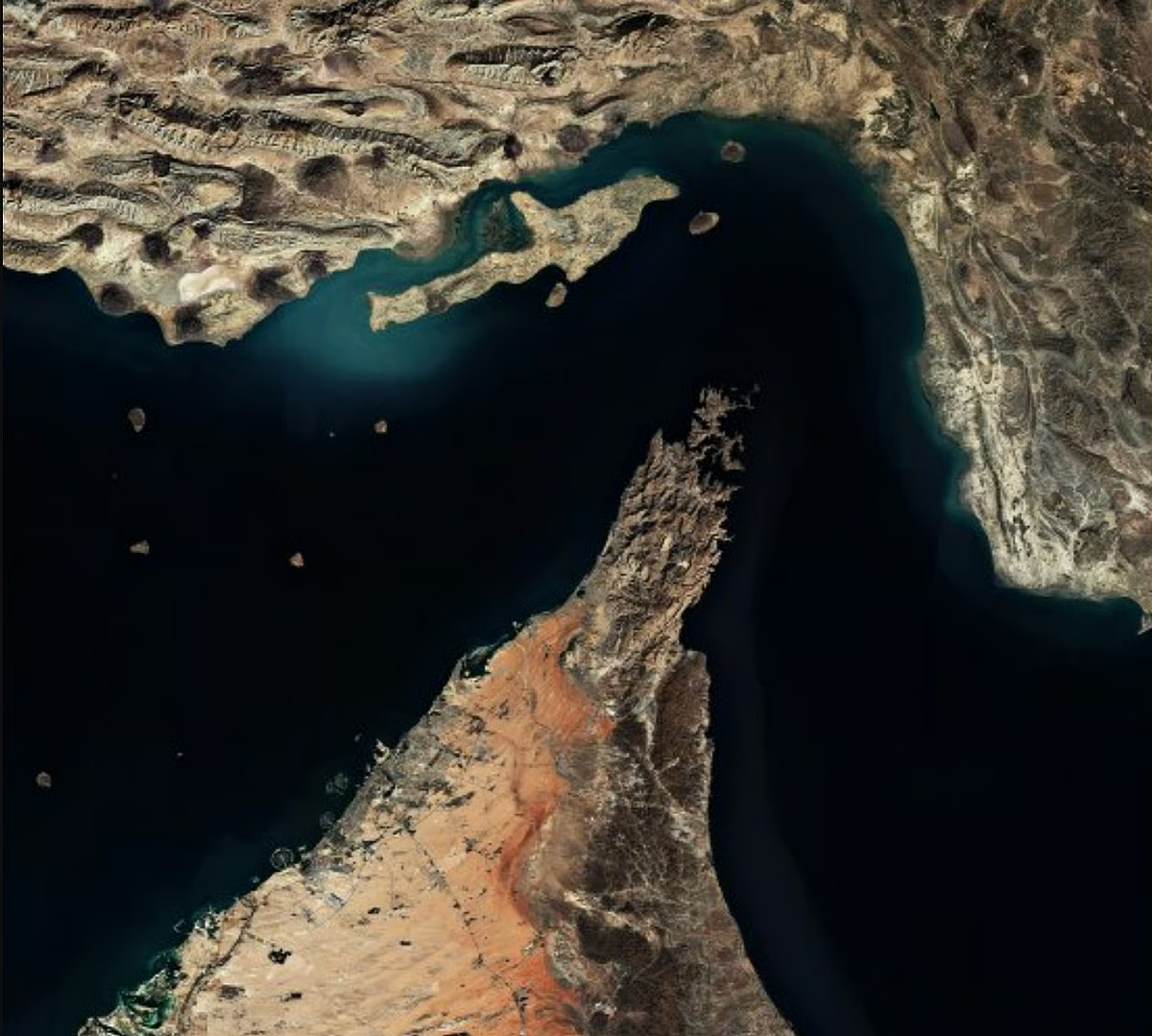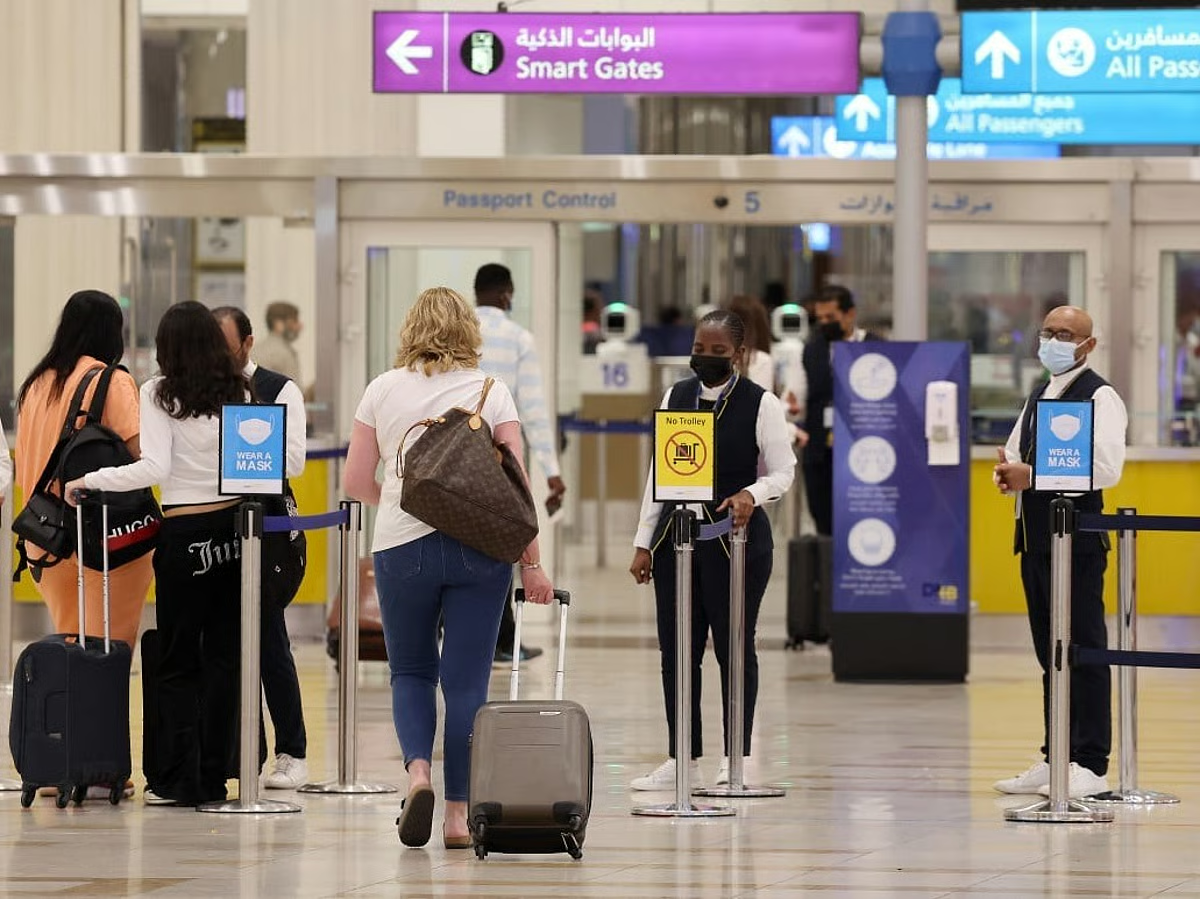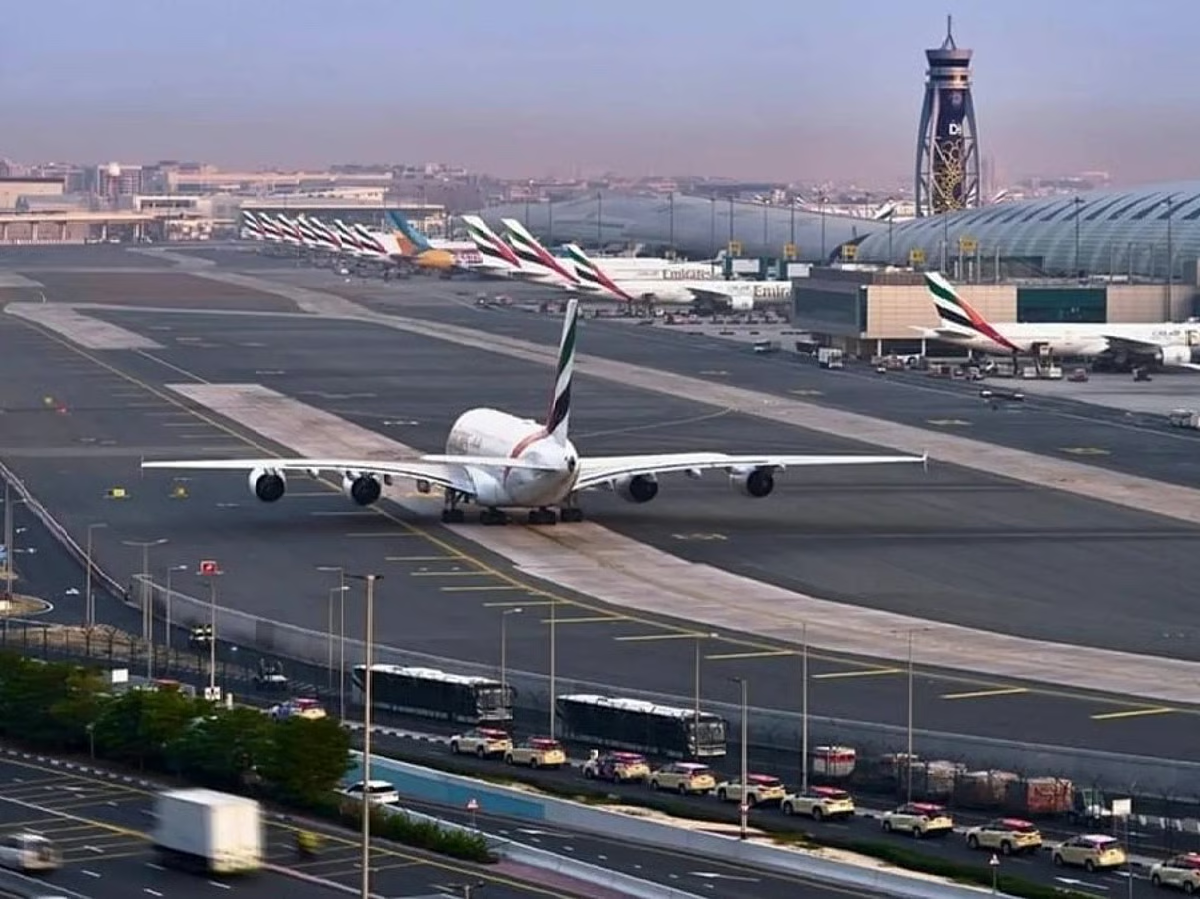
The US-Iran war entered another dangerous phase on Thursday (July 30) as the US Central Command launched a powerful new wave of retaliatory strikes on Iran, while Tehran continued missile attacks against US forces in the region.The latest escalation is significant, not only because of the proximity of the fighting but because the conflict is increasingly affecting air travel, shipping, energy markets and regional security.The situation remained fluid on Thursday, with reports of fresh attacks around Iran's Qeshm Island and the city of Abadan, continuing uncertainty over the Strait of Hormuz and new concerns about the Red Sea.What happened overnight?The immediate trigger for the latest US strikes was an Iranian missile attack on a US base in Jordan.CentCom responded with an extensive series of strikes on Iranian military targets, including IRGC command centres, missile and drone facilities and coastal defences. Jordan said its air defenses intercepted five Iranian missiles launched early Wednesday. Iran's Revolutionary Guard said it had targeted the Muwaffaq Salti Air Base and the CentCom headquarters in Jordan.The latest fighting follows weeks of repeated strikes and failed efforts to maintain a ceasefire.Strait of Hormuz remains the biggest concernThe most important flashpoint remains the Strait of Hormuz, the narrow waterway between Iran and Oman. A huge share of the world's oil and gas shipments normally passes.The conflict has sharply reduced traffic through the strait, with risks of attacks on commercial shipping. The US has continued military operations aimed at protecting shipping and restricting Iran's ability to threaten vessels.The consequences extend far beyond the Gulf. Oil prices remain highly sensitive to every new attack, although prices eased Thursday as some tankers continued moving through regional waters.Prolonged disruption could mean higher costs for fuel, shipping, aviation and imported goods, even if domestic supplies remain available.Flights: expect disruption and check before travellingUAE airlines continue to assess security risks and airspace restrictions.Some flights have been cancelled or altered, and passengers have been advised to check directly with airlines before travelling to the airport. Gulf airlines have previously managed to keep many services operating despite regional attacks, but the situation can change rapidly after a new round of strikes.For UAE residents planning to travel today:Check the flight status shortly before leaving home.Check the airline's website or app rather than relying solely on airport departure boards.Allow extra time at the airport.Expect possible rerouting or delays.Avoid travelling to affected regional destinations unless necessary. Residents should therefore distinguish between regional military developments and official UAE security alerts.The most reliable information is that issued by UAE authorities. One of the concerning developments is the conflict's expanding geographic footprint.A drone reportedly struck a US-owned gas storage tanker at Egypt's Damietta port on Wednesday, causing a fire that spread to another vessel. Egypt's petroleum ministry confirmed the fire but did not attribute it to a drone attack, while maritime security companies and other sources said a drone was the likely cause. There were no reported casualties.That incident matters because it shows how the conflict's effects are reaching the Mediterranean and threatening energy infrastructure far from the original battlefield.Red Sea risks are also increasingThe Iran-linked Houthi movement in Yemen is adding another layer of uncertainty. The Houthis have declared a naval blockade targeting Saudi Arabia and are now reportedly considering charging commercial vessels transit fees to pass through the southern Red Sea's Bab el-Mandeb Strait. On Thursday, Reuters reported that the proposed fees could generate as much as $180 million a month.This creates another potential pressure point on global shipping. A prolonged disruption in both Hormuz and Bab el-Mandeb would put additional pressure on shipping costs and could force more vessels to take longer routes around Africa.China is also becoming part of the equationUS President Donald Trump has warned that he would be "quite disappointed" if China sells arms to Iran, according to the news roundup shown in the screenshot.The warning illustrates another danger: the conflict is increasingly becoming an issue involving not just Washington and Tehran, but also major outside powers and the global arms and energy trade.China has maintained close economic relations with Iran and is a major buyer of Iranian oil, making Beijing's position particularly important to the conflict's economic consequences.What does this mean for UAE residents?For most residents, the immediate impact is likely to be felt through travel, fuel prices, shipping and general uncertainty, rather than direct disruption to daily life.But several developments deserve close monitoring:1. The Strait of Hormuz.A sustained halt in shipping would have consequences for global oil prices and the UAE's economy.2. Airspace restrictions.A sudden escalation could trigger additional flight cancellations or rerouting.3. Energy infrastructure attacks.The reported incident in Egypt demonstrates the growing risk to gas and oil facilities.4. Red Sea escalation.Houthi attacks or transit fees could add another layer of cost to global trade.5. For Gulf nations, any significant attack on territory or critical infrastructure would mark a major escalation.What residents should do todayKeep phones charged, enable official emergency alerts and follow instructions from UAE authorities. Travellers should check their flights before heading to the airport and avoid spreading unverified reports about missile strikes, airport closures or alleged attacks.The UAE remains an important economic and aviation hub even as the surrounding region is at war. The latest US strikes show that the conflict is far from contained. Iran's response, the fate of the Strait of Hormuz and whether attacks spread to additional Gulf and regional targets will determine whether Thursday's escalation becomes another temporary exchange — or the beginning of a much wider phase of the war.
US-Iran conflict: What UAE residents need to know today (July 30, 2026)
Strait of Hormuz tensions, Red Sea threats weigh on Gulf residents
914 words~4 min read