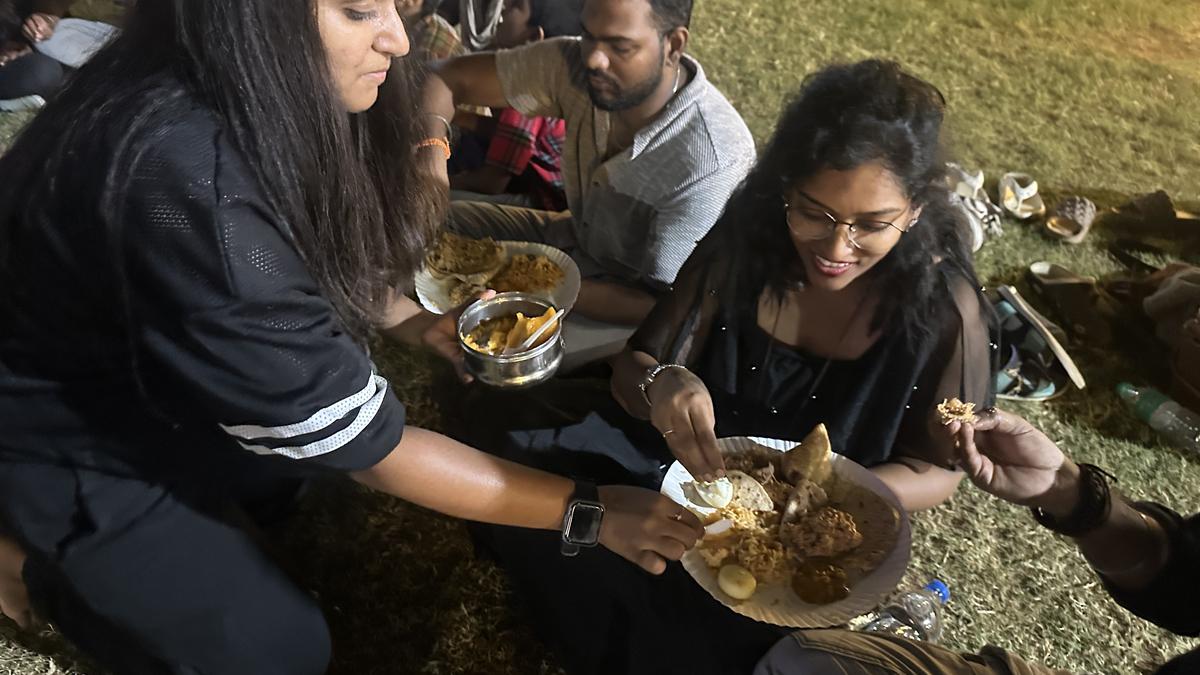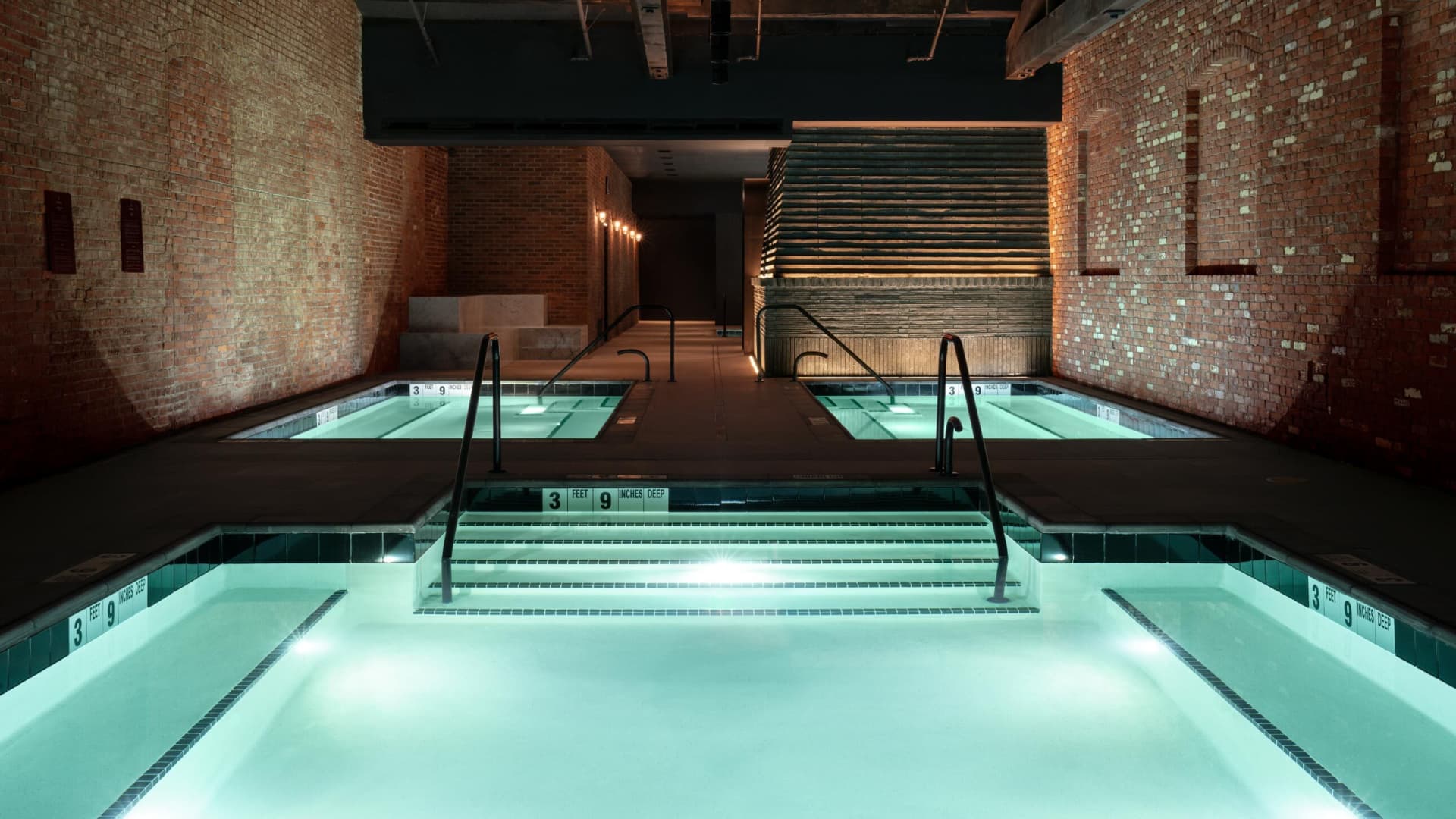
For decades the concept of third spaces, coined by sociologist Ray Oldenburg, has been defined as not home, not work, but somewhere in between. The term has described the coffee shops, barbershops and corner bars where community happened by accident. Then those spaces quietly disappeared, largely connected to post-COVID social isloation. Remote work erased the office watercooler. Nightlife got expensive. Social media promised connection and delivered scrolling instead. A 2024 Harvard survey found that 67% of adults feel social and emotional loneliness because they are not part of meaningful groups, and that number is doing a lot of explanatory work right now.Because the third space is back, and it is being rebuilt on purpose. Longing for connection and community have taken over. There’s even a rapidly-growing movement on social media to stop “doomscrolling” and start connecting. Influencers who promote community over content as more beloved than ever. Suddenly, what used to be an afterthought has become the hottest trend of 2026: community building. Run clubs got there first. Wellness brands like Othership followed with a cold plunge culture that TikTok turned into a genuine social ritual. And now music and pop culture are catching up fast, with artists and community platforms treating in-person gathering as core strategy rather than a press stunt. Membership clubs are on the rise, reportedly projected to grow into a 59 billion dollar industry by 2033. As we move on from an isolated world, and move towards an increasingly connected one, here’s who’s leading the charge. “We’re anti-doomscrolling, anti-LinkedIn networking, and anti-social media. We believe technology should be the starting point for meaningful human connection and enable connection in a fun and light way even for the most high value professionals of our time"
Community As The New Currency: Inside 2026’s Third Space Boom
Longing for connection and community have taken over. The third space is back, and it is being rebuilt on purpose.
1,452 words~7 min read