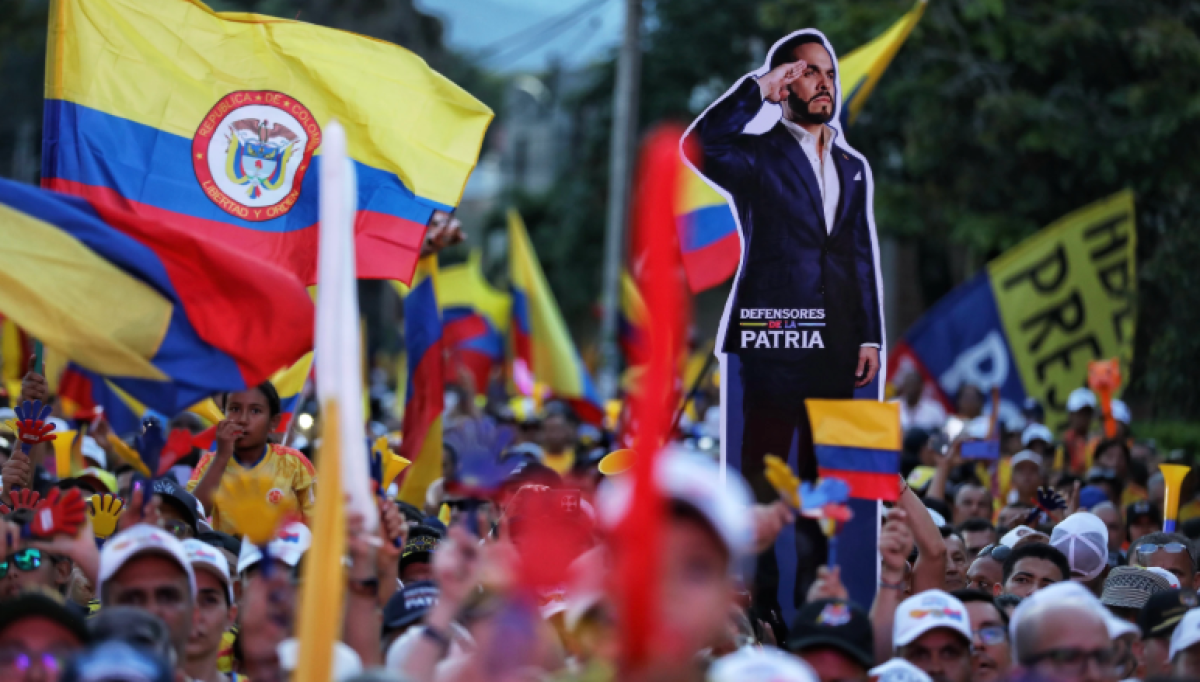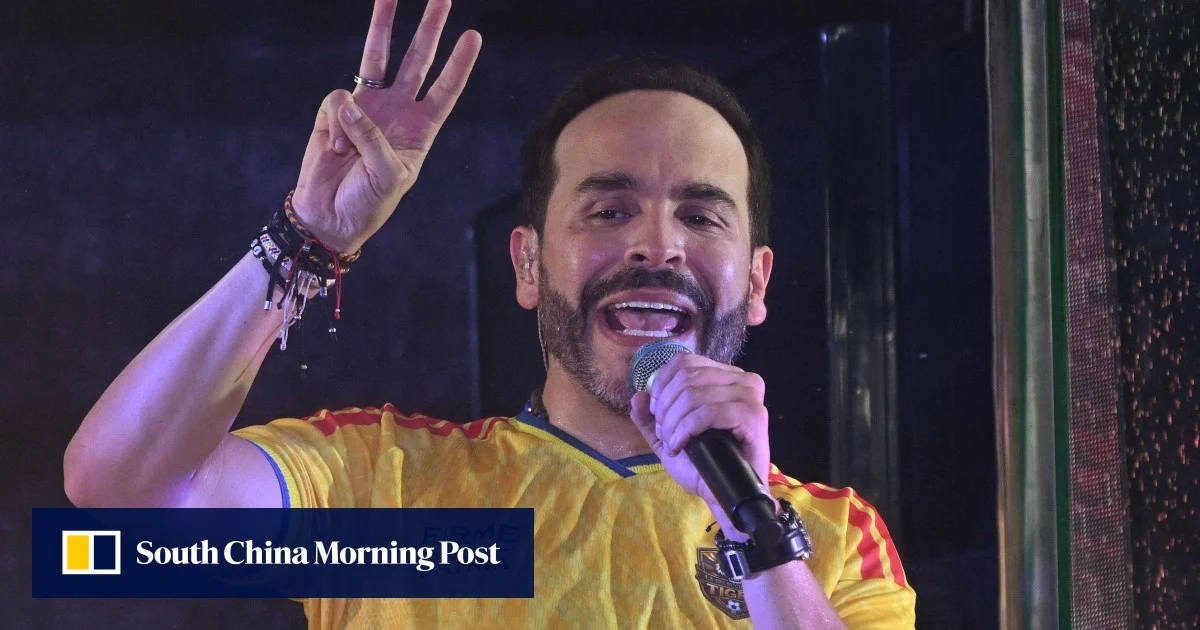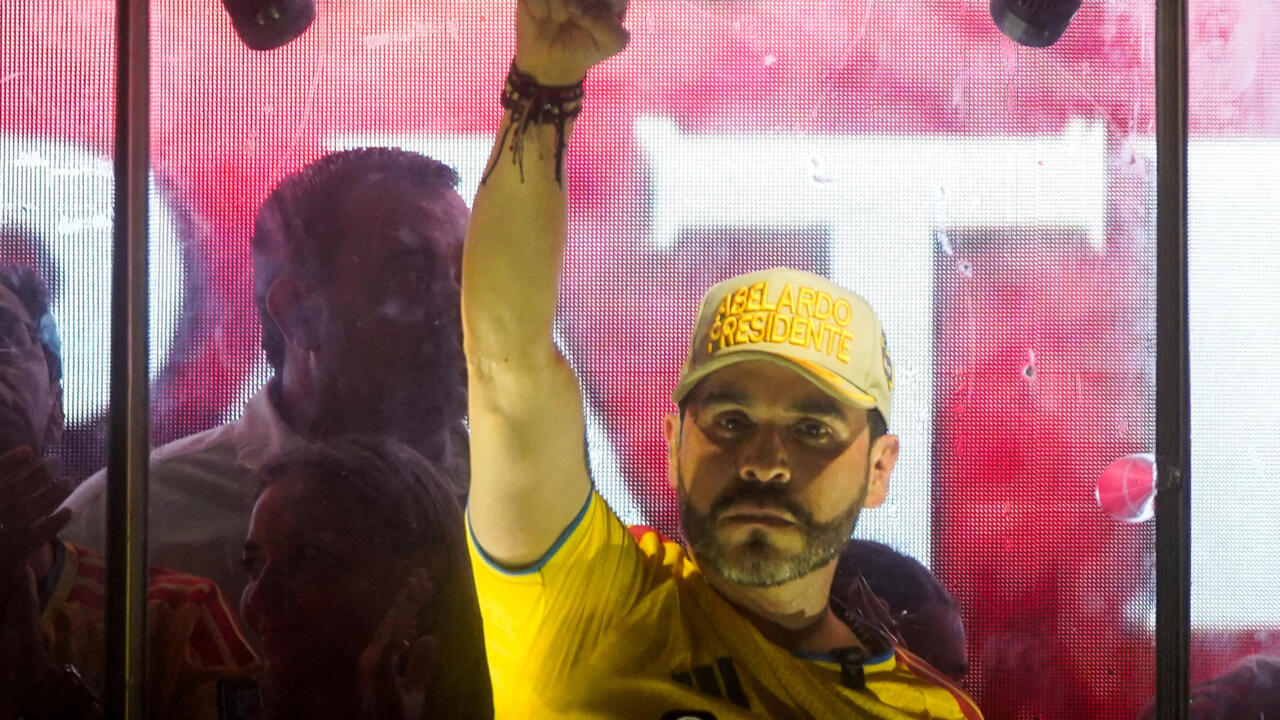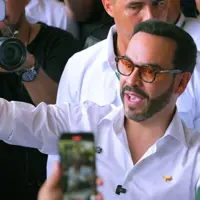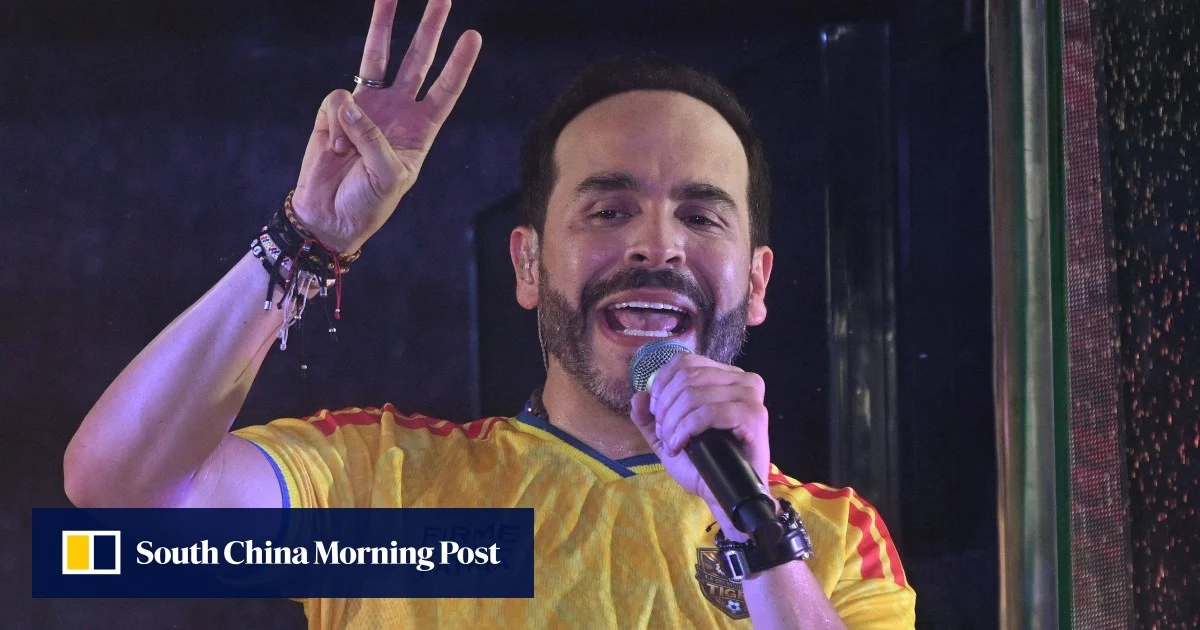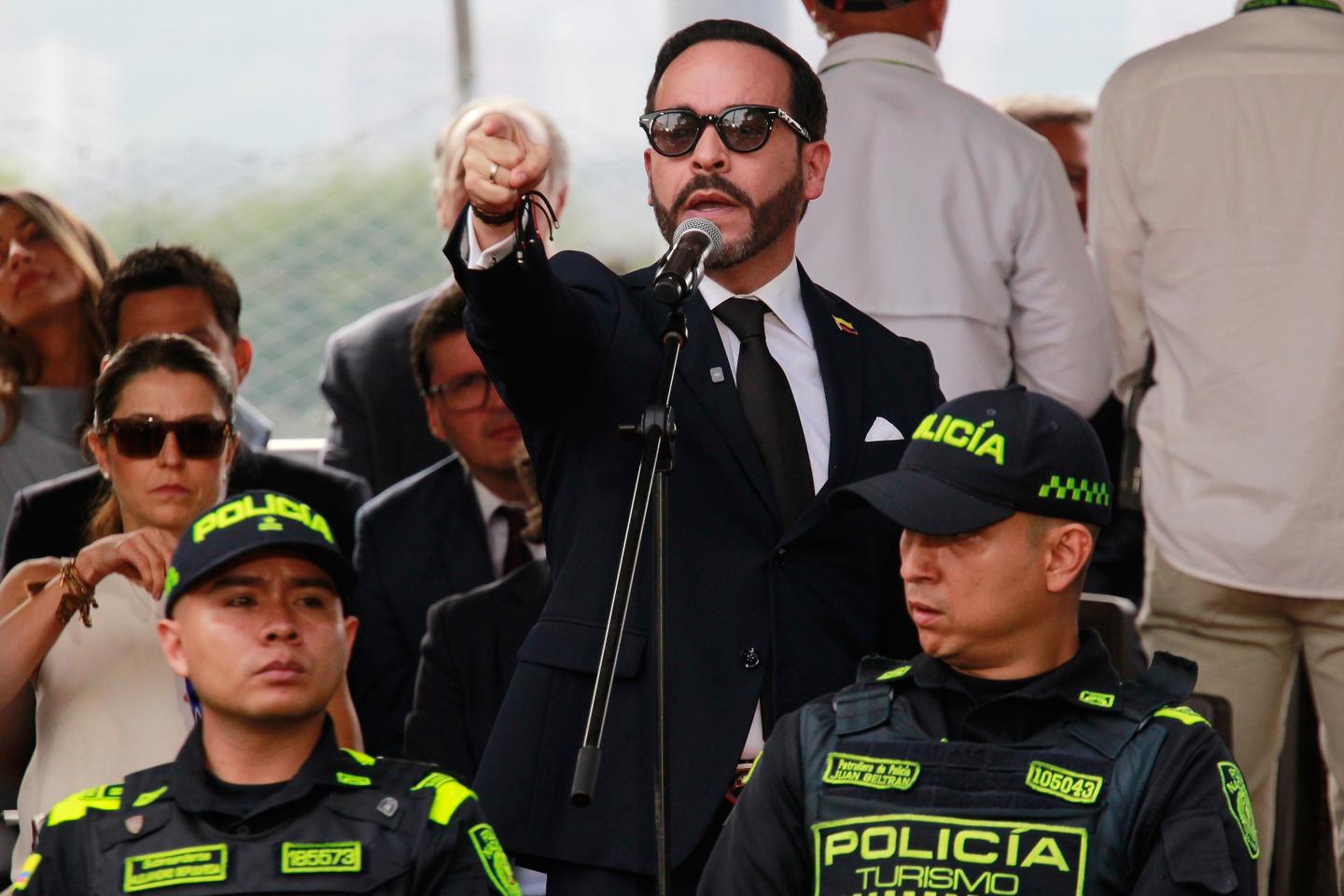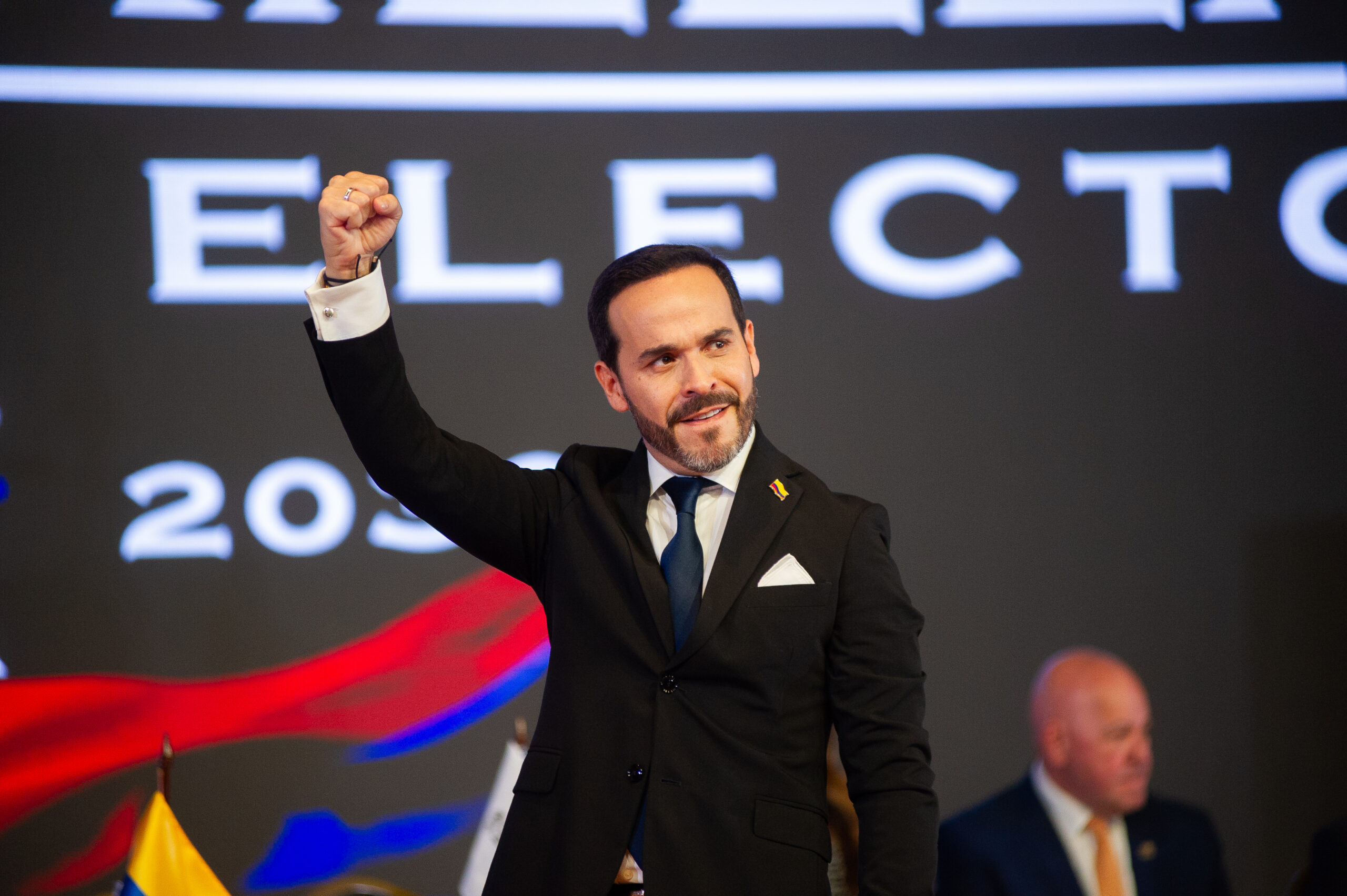
WASHINGTON—Abelardo de la Espriella, Colombia’s president-elect, will take office on August 7, after a campaign in which he called the United States “our most important trading partner and our main military ally.” In Washington, his victory is widely seen as a strategic reset of one of the hemisphere’s most important partnerships and, for many years, a bipartisan cause. This reset feels especially important after four years of diplomatic friction between the countries, in part created by Colombia’s outgoing president, Gustavo Petro, and his erratic management of foreign relations.
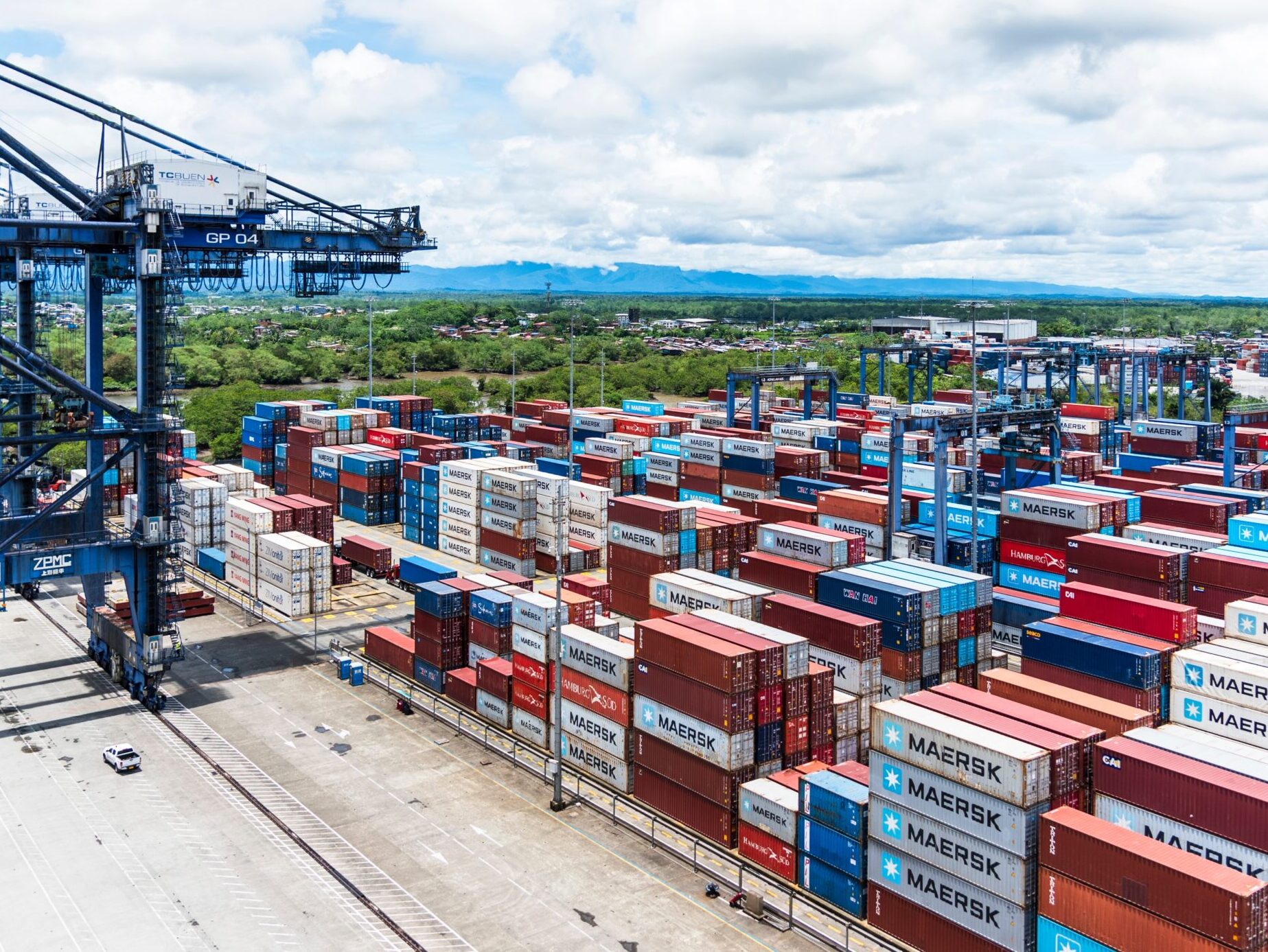
Tensions between Colombia and the United States in recent years were driven by ideological differences, with Petro coming from the hard left and Trump from the right of the political spectrum. Despite the resulting frictions, US firms continued to export to Colombia, though investment levels declined, as an Adrienne Arsht Latin America Center issue brief described in 2025. Given the size of Colombia’s market, the free-trade agreement in place, and more than twenty years of bipartisan support for Colombia’s efforts to combat the illegal drug trade, Colombia has remained an important market for many US companies. US trade with Colombia is substantial and genuinely two-way, with US corn and machinery moving south and Colombian coffee and cut flowers moving north, for example.