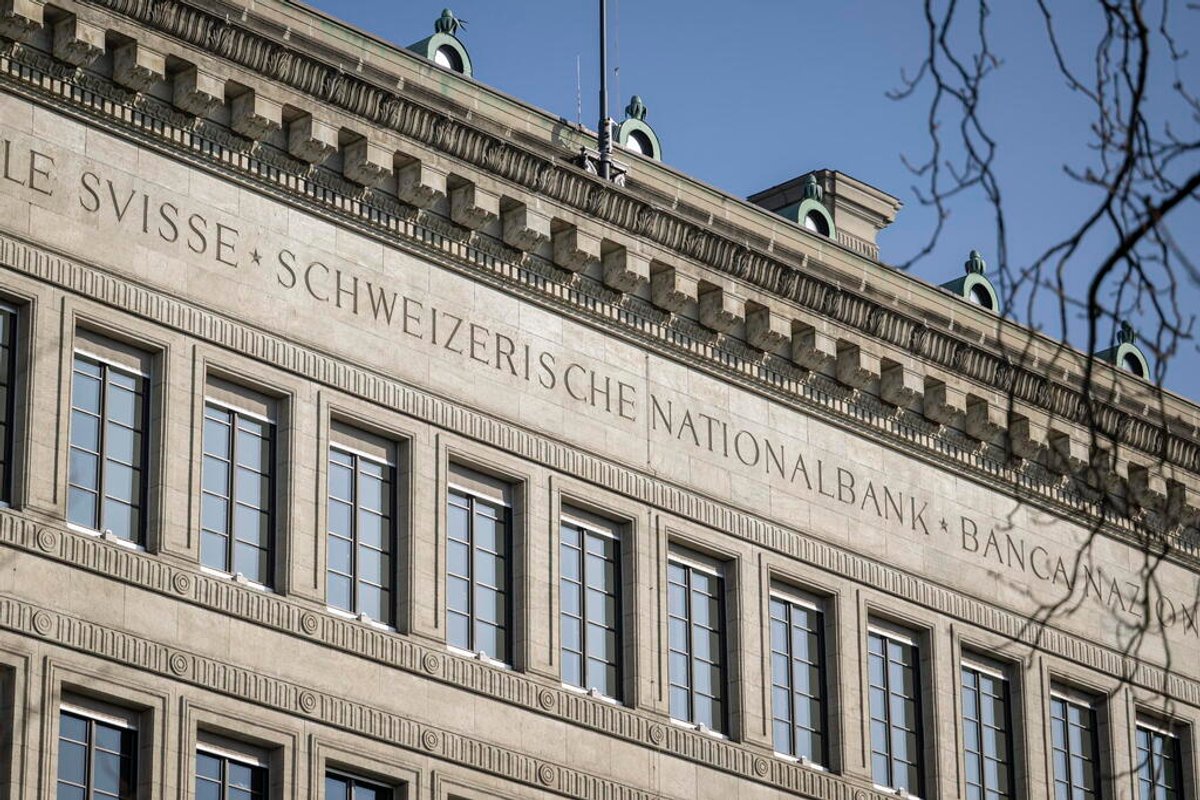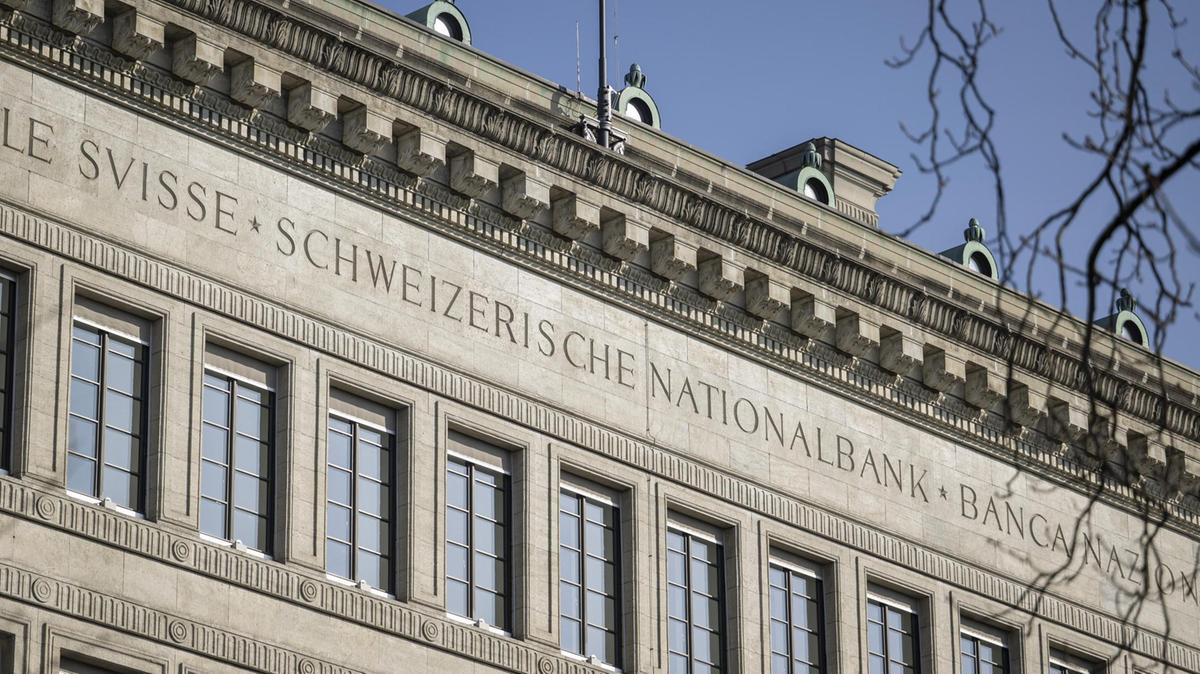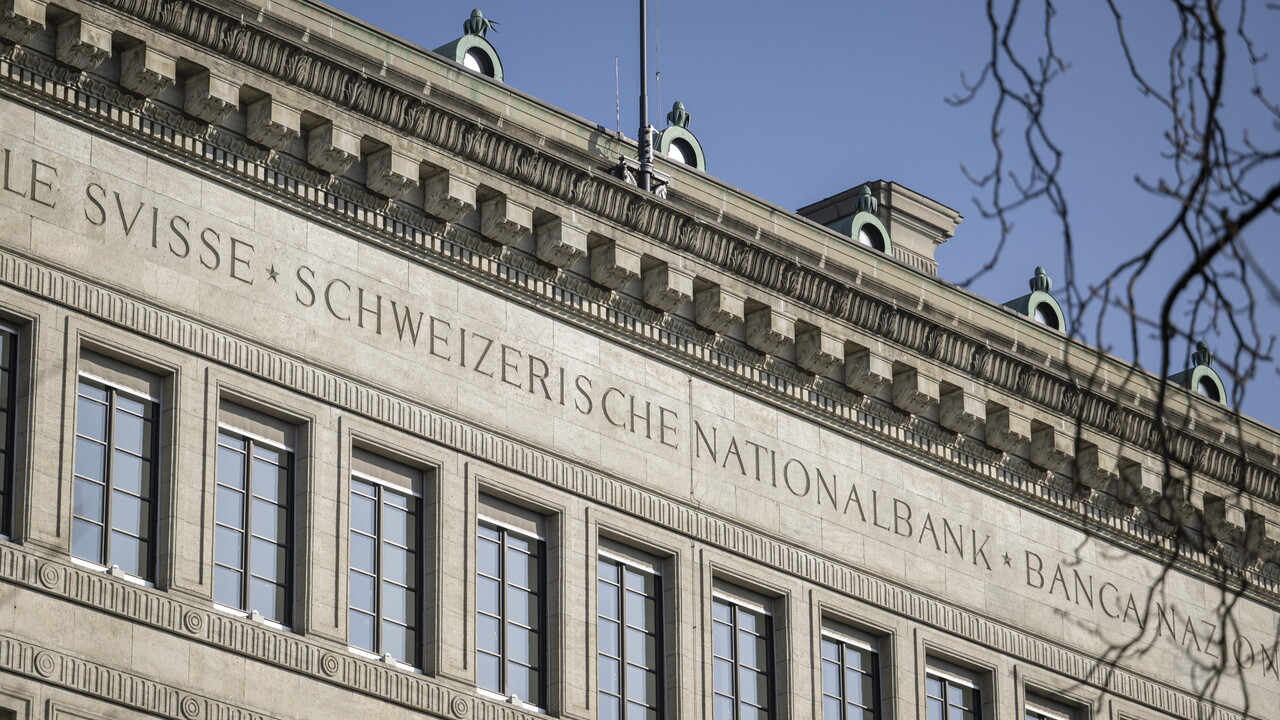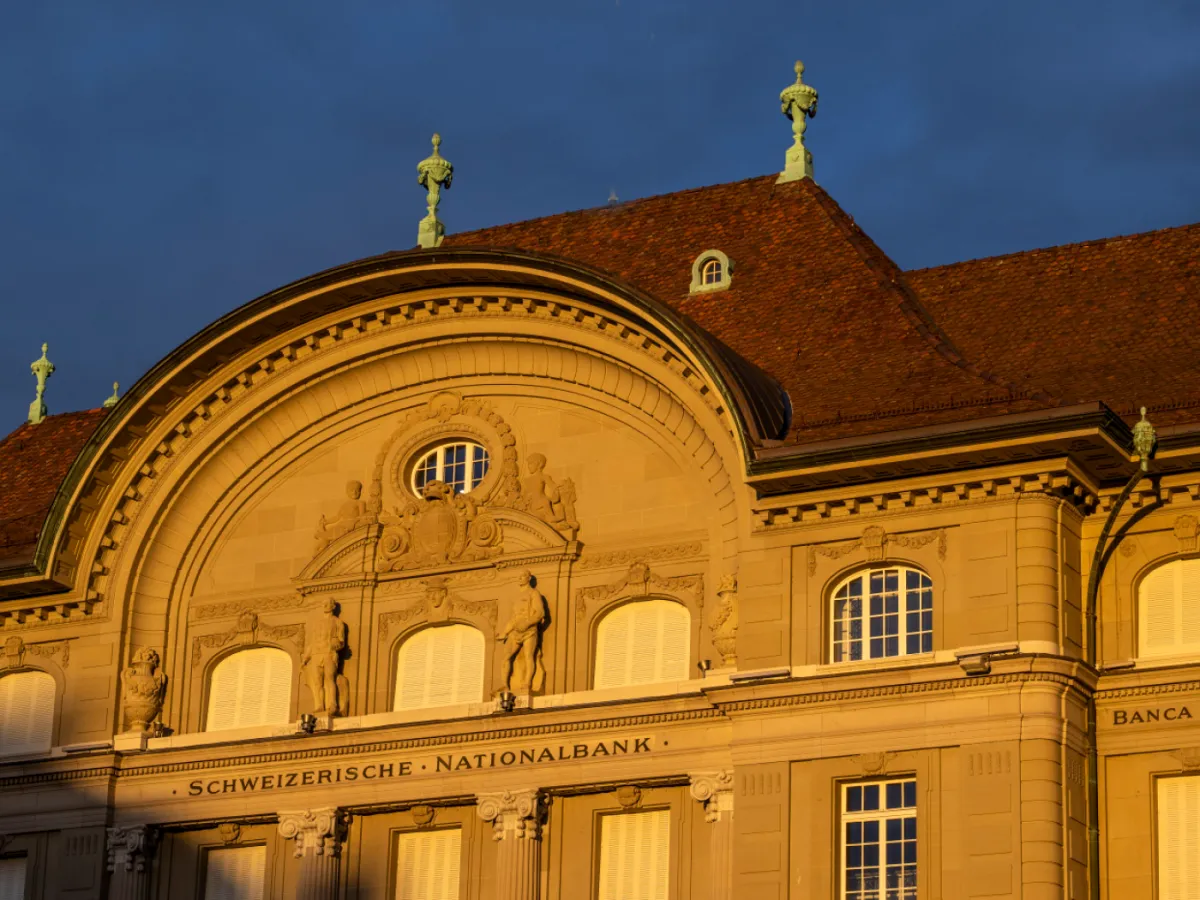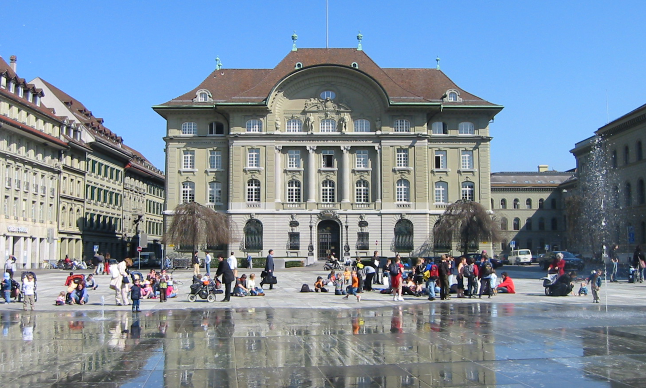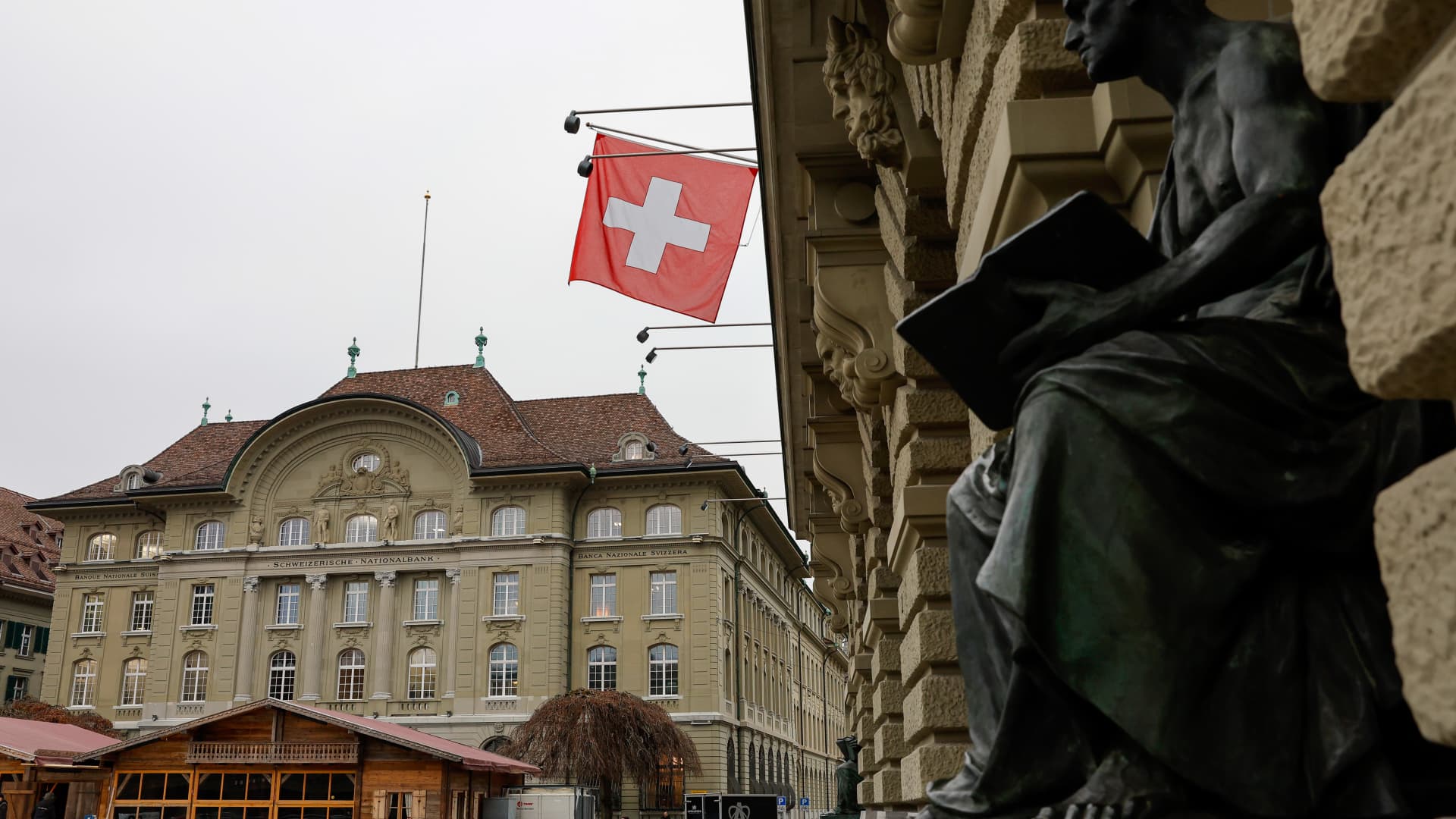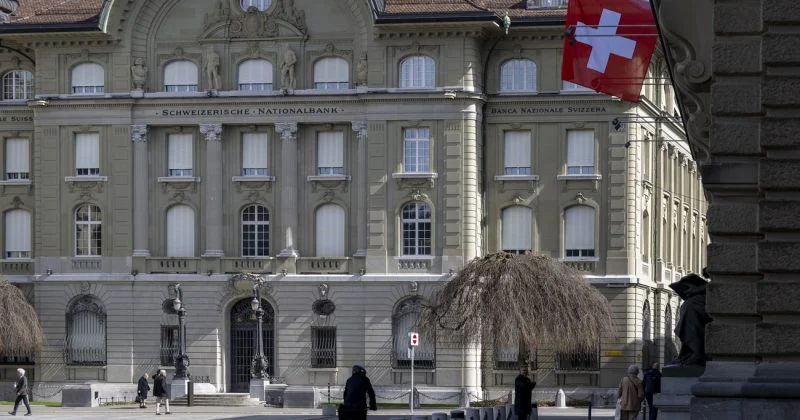
The Swiss National Bank held its policy rate at zero on June 18, 2026, and the message embedded in that decision was clear: do not expect relief anytime soon. Internal forecasts suggest the SNB will keep rates pinned at zero through at least late 2027, a timeline that has Swiss lenders quietly recalculating their business models.
The math is brutal for Swiss lenders
Banks make money the old-fashioned way: borrow cheap, lend expensive, pocket the spread. When the central bank sets borrowing costs at zero and inflation runs at roughly 0.6% annually, that spread compresses to almost nothing.
Swiss aggregate net income already fell from CHF 72.3 billion in 2023 to CHF 69.7 billion in 2024. The sharper cut came inside that number: interest income dropped from CHF 24.3 billion to CHF 21.1 billion in the same period, a decline of roughly CHF 3.2 billion in a single year.
Economists project a further drop of approximately CHF 660 million in net interest income attributable to ongoing rate cuts. Swiss domestic lenders cannot realistically charge retail customers negative rates on their savings accounts without triggering a political and reputational backlash, so the bank absorbs the cost instead, sitting on cheap liabilities it cannot reprice without consequence.