This content was published on
July 27, 2026 - 15:09
2 minutes
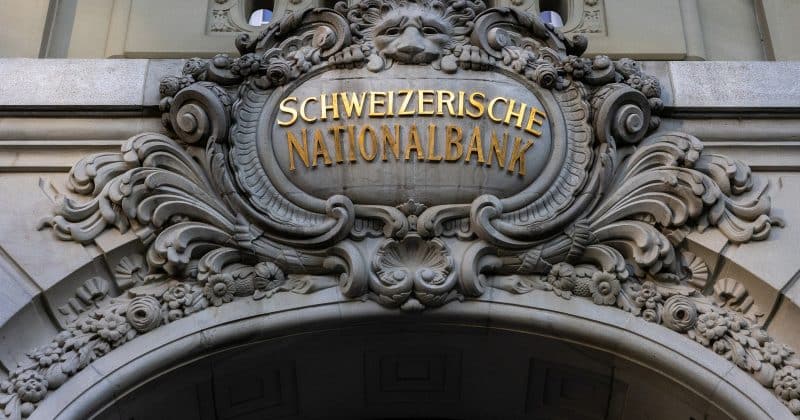
(Bloomberg) — The Swiss National Bank is set to keep its key interest rate at zero until the end of 2027 before probably starting to raise it, according to people familiar with the thinking inside the central bank.The view is mainly based on current forecasts for inflation and assumes no major new shocks, the people said, asking not to be identified discussing internal SNB affairs. It’s also influenced by the franc’s recent weakening against the euro and the rate differential between Switzerland and the currency bloc, they said.Negative borrowing costs remain an option should a fresh jolt to the economic outlook emerge, the people said, stressing that this isn’t the base case. No severe damage to Swiss banks’ profits is resulting from borrowing costs being at zero, they added.The SNB declined to comment. Its three-member board meets quarterly to set policy based on the latest data on the economy. Policymakers have repeatedly highlighted that they don’t commit to a specific rate path.The Swiss franc slipped following the report, trading flat against the euro at 0.9300.The central bank held rates steady at its last meeting in June and the scenario that it will stand pat until late next year broadly matches the consensus among analysts. Most of those surveyed by Bloomberg only expect a first hike in March 2028, though almost a third anticipate an earlier move.Currency traders are more hawkish, betting on an increase by no later than March next year, with the likelihood of one materializing at December’s meeting already about 50%.That’s despite Swiss inflation slowing to 0.5% last month following a small pickup due to the Iran war. It will accelerate to a peak of 0.8%, according to SNB forecasts. That’s below the middle of the 0%-2% range the central bank targets. Data for July are due next week.The people said the SNB is ready to intervene in currency markets to smooth exchange-rate swings caused by external shocks but won’t do so to keep the franc at a predetermined level — in line with previous Bloomberg reporting.Indeed, the only recent cases of policymakers stepping in came after the US announced its global tariff push and later as the Iran war began.–With assistance from Naomi Tajitsu.(Updates with franc in fifth paragraph)©2026 Bloomberg L.P.