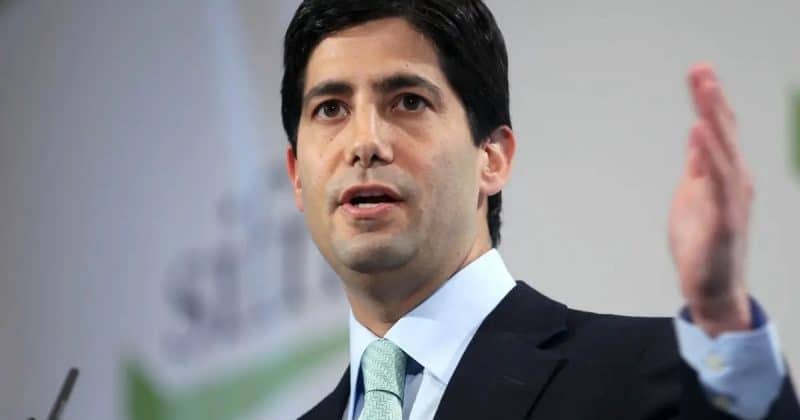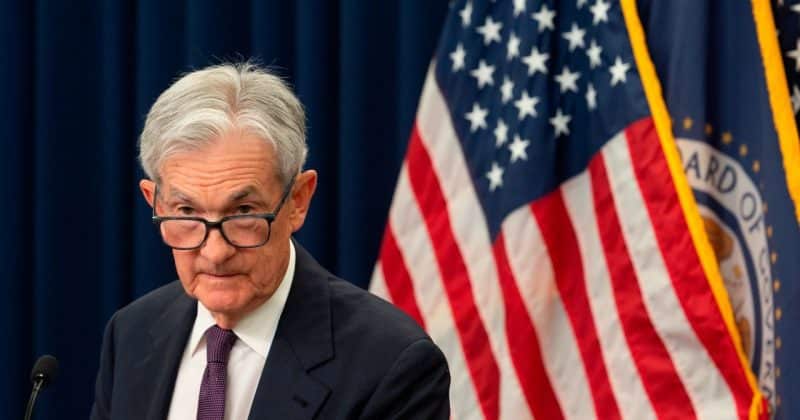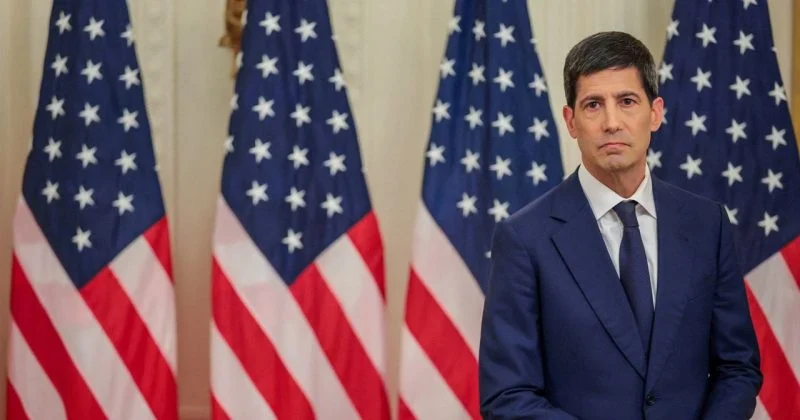
Kevin Warsh has been running the Federal Reserve for roughly two and a half months, and he’s already telegraphing a philosophical overhaul that hasn’t been seriously attempted in decades. The new Chair, who took over from Jerome Powell on May 15, wants to bring back monetarism. Not the full Milton Friedman playbook, but something close enough to make bond traders nervous and macro watchers very attentive.
Think of it like this: for the past couple of decades, the Fed has steered the economy primarily by adjusting interest rates and buying or selling bonds (quantitative easing and tightening). Warsh wants to add another instrument to the cockpit, one that most central bankers quietly shelved in the 1980s: tracking the money supply.
What Warsh is actually proposing
In his essay titled “Money Matters,” Warsh lays out the case for what he calls a “softer form of monetarism.” He’s not proposing that the Fed target a fixed growth rate for the money supply the way Friedman once advocated. Instead, he argues that monetary aggregates, essentially measures of how much money is circulating in the economy, should be treated as critical inputs for forecasting inflation.
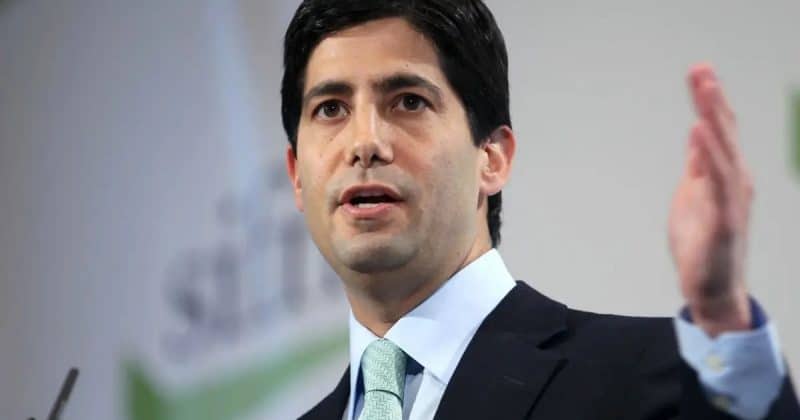
Speaking at the ECB forum in Sintra, Portugal on July 1, Warsh described inflation as an “unfair burden,” language that signals he intends to be aggressive on price stability.