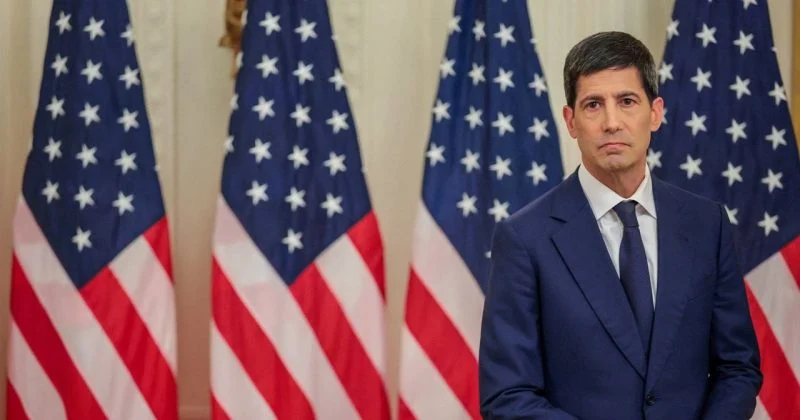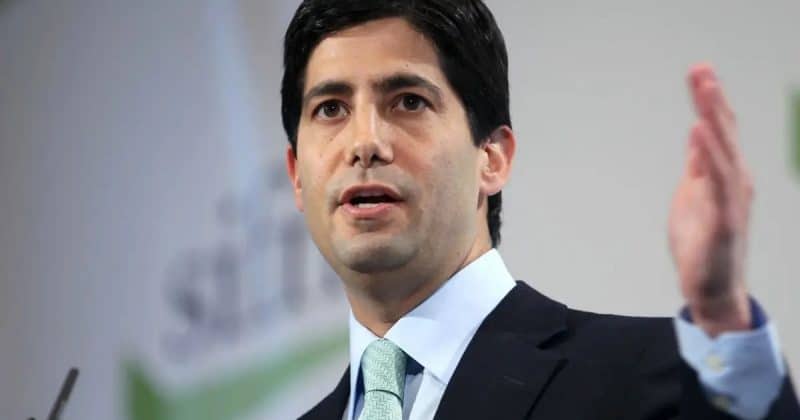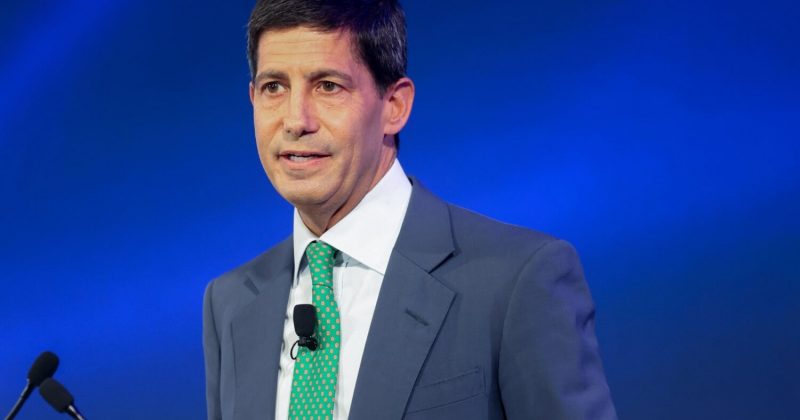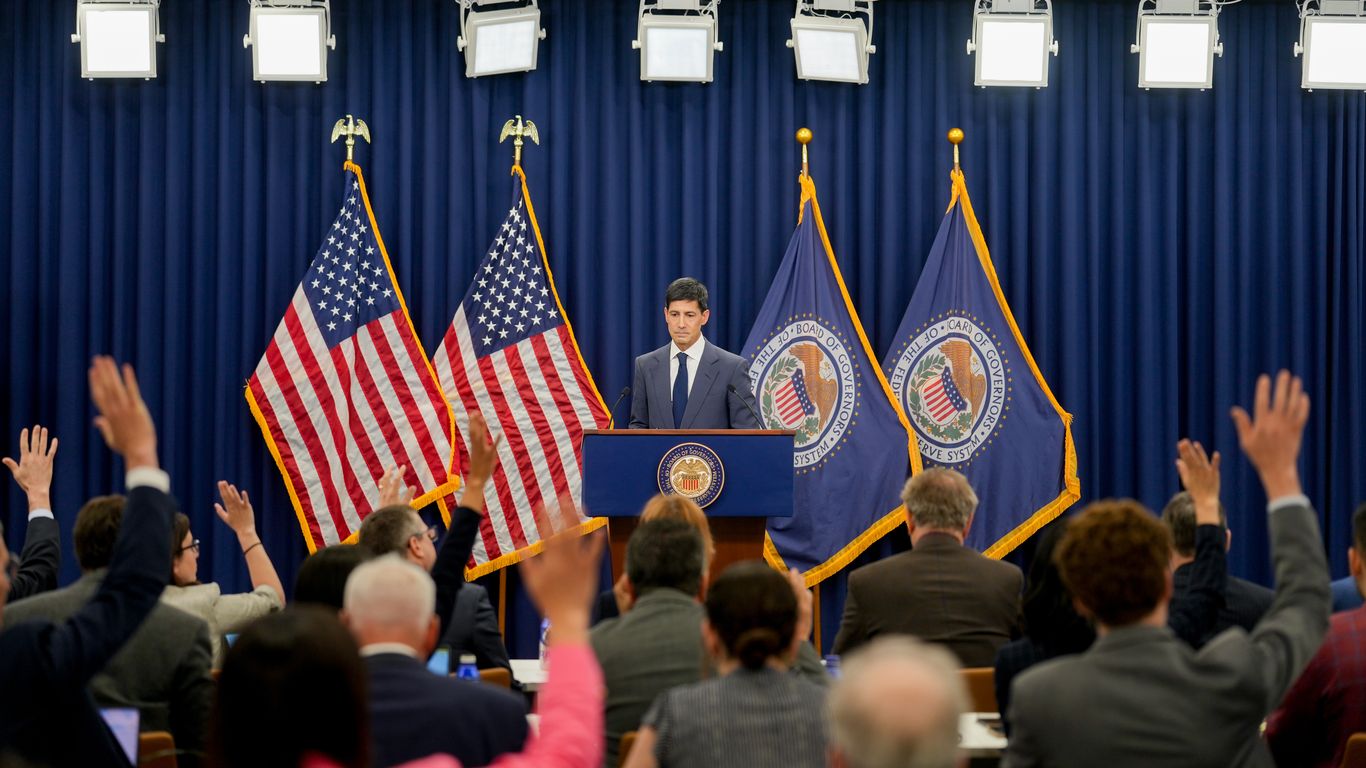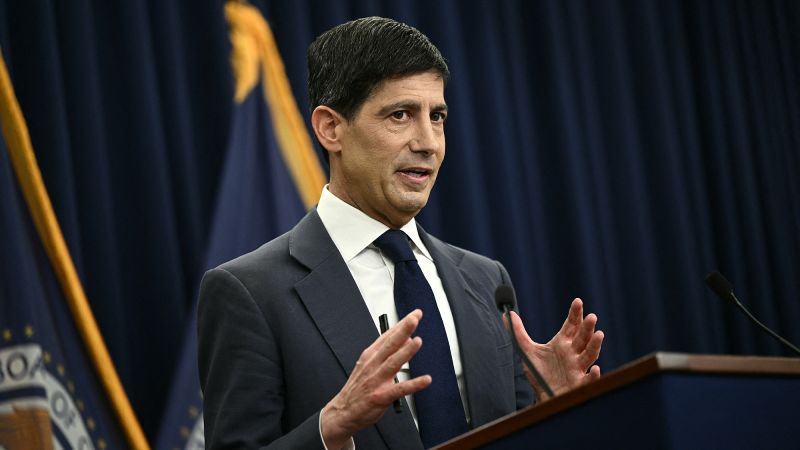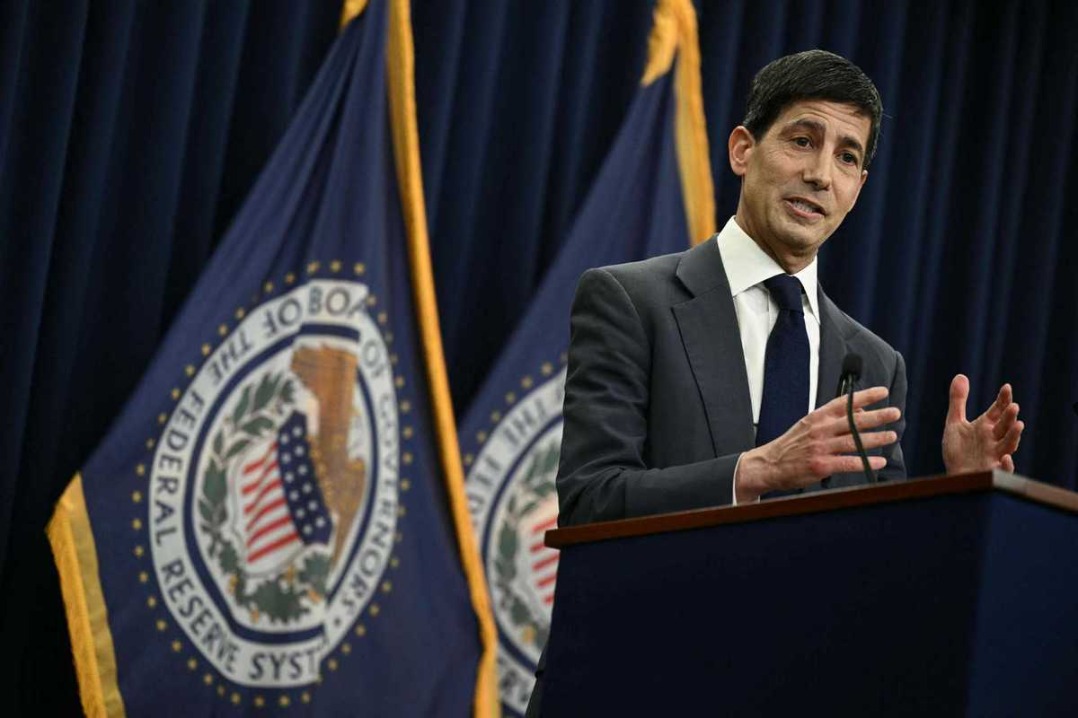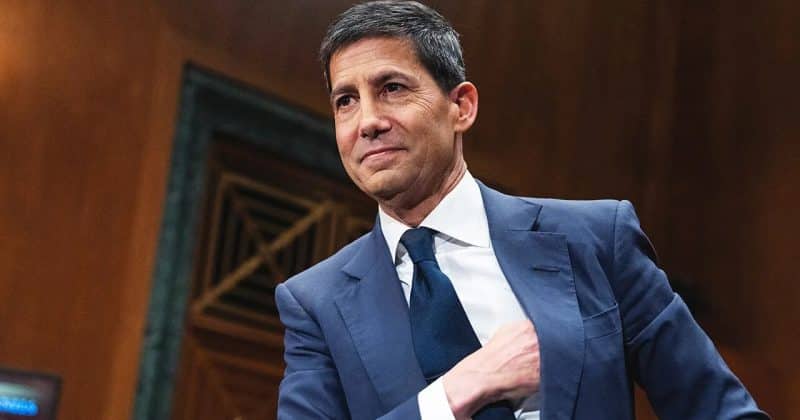
For the better part of two decades, the Federal Reserve has operated under a simple philosophy: more transparency equals better markets. Kevin Warsh, who took over as Fed Chairman on May 22, 2026, thinks that’s wrong.
Warsh’s core argument is that the Fed’s habit of constantly telegraphing its next move has actually made monetary policy less effective. Instead of doing their own homework, markets have become addicted to every word, dot plot, and press conference pause from the central bank.
Less talk, more mystery
The shift is significant because it reverses a communication philosophy that has been building since the early 2000s. Before that era, central banks generally preferred opacity. Alan Greenspan was famously cryptic, once joking that if people understood him, he must have misspoken. The transparency push that followed his tenure turned the Fed into one of the most communicative institutions in global finance.
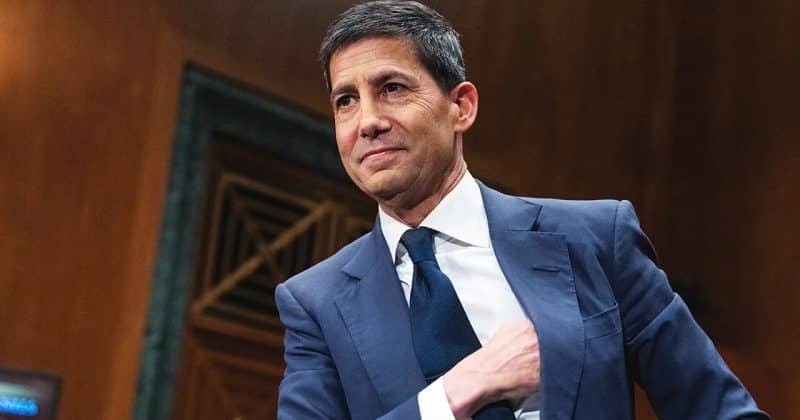
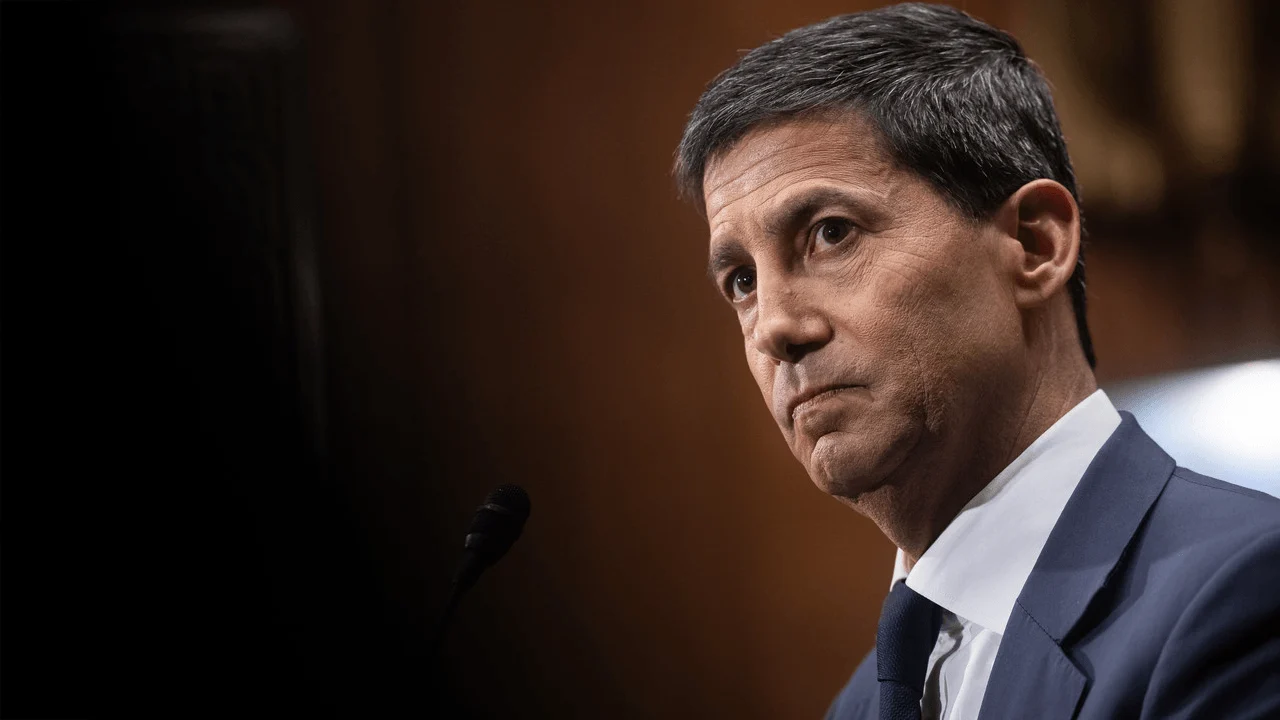
During his Senate confirmation hearing, Warsh took aim at the dot plot, the chart showing where individual Fed officials expect interest rates to land. He also criticized the frequency of public forecasts and statements, arguing they create noise rather than signal.