A Bitcoin block mined on July 28, 2026, at approximately 02:28 UTC contained exactly zero user transactions. Block 960,017 included only the mandatory coinbase transaction, which is the automatic reward a miner receives for successfully adding a block to the chain, and collected 0 BTC in transaction fees.
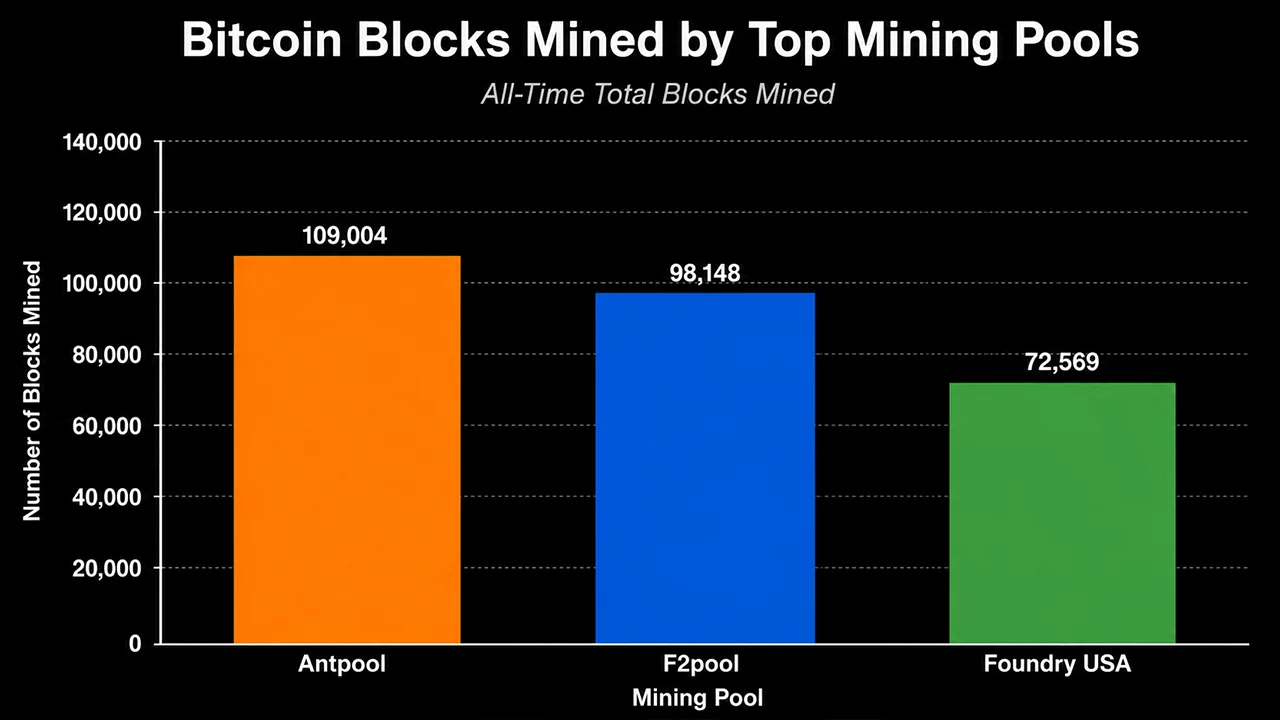
The miner responsible is listed as “Unknown,” though some sources point to F2Pool as the likely culprit.
Why miners sometimes produce empty blocks
When a new block is found on the Bitcoin network, competing mining pools face a brief window where they haven’t fully validated the previous block’s transactions yet. During that interval, they have two choices: stop hashing and wait for full validation, or start working on a new block immediately using what’s called SPV (Simplified Payment Verification) mining.
In English: miners would rather submit an empty block and collect the block subsidy than risk wasting precious seconds validating transactions while a competitor beats them to the next block.