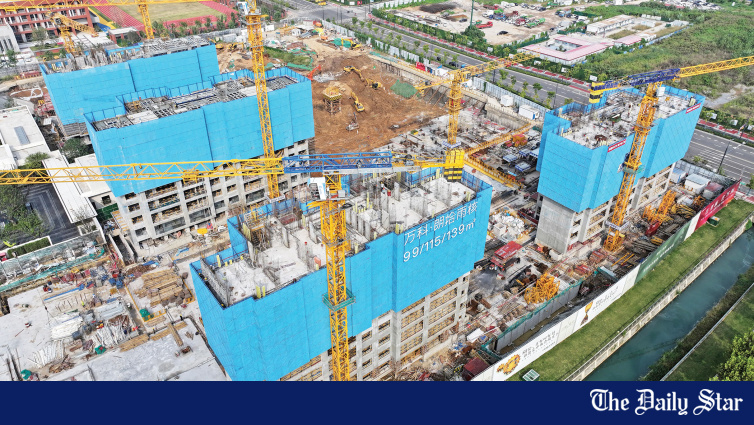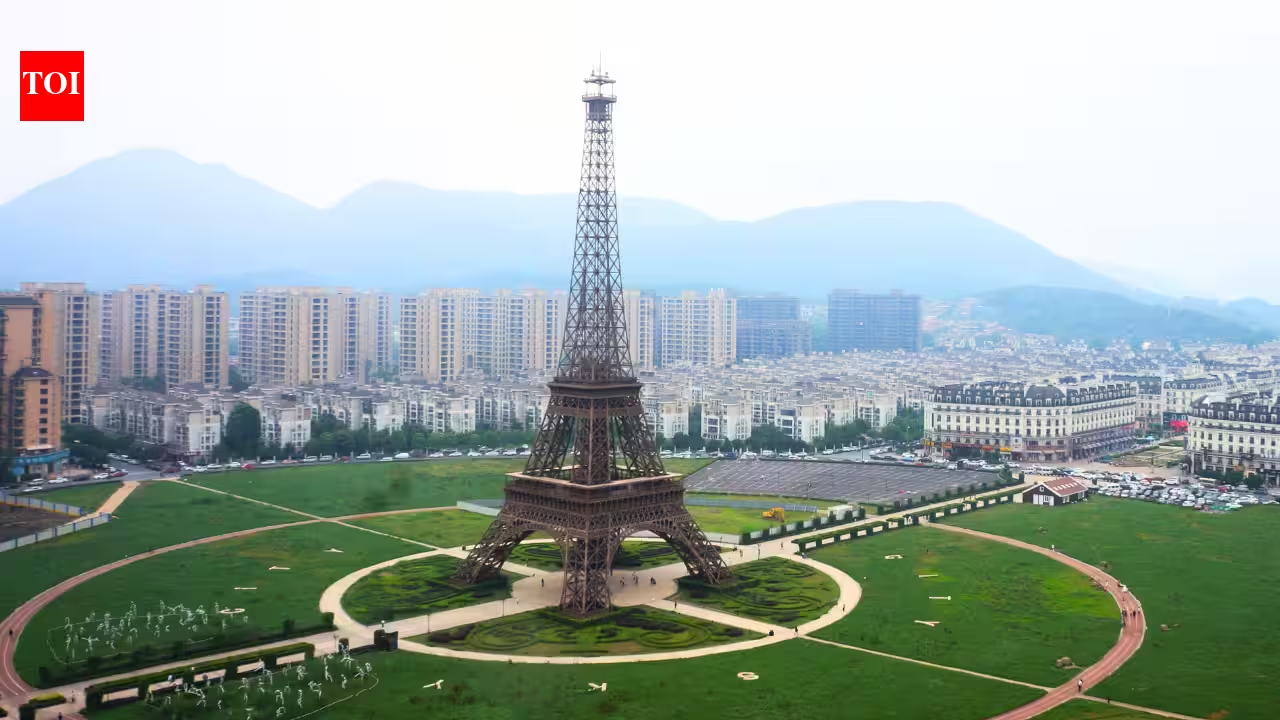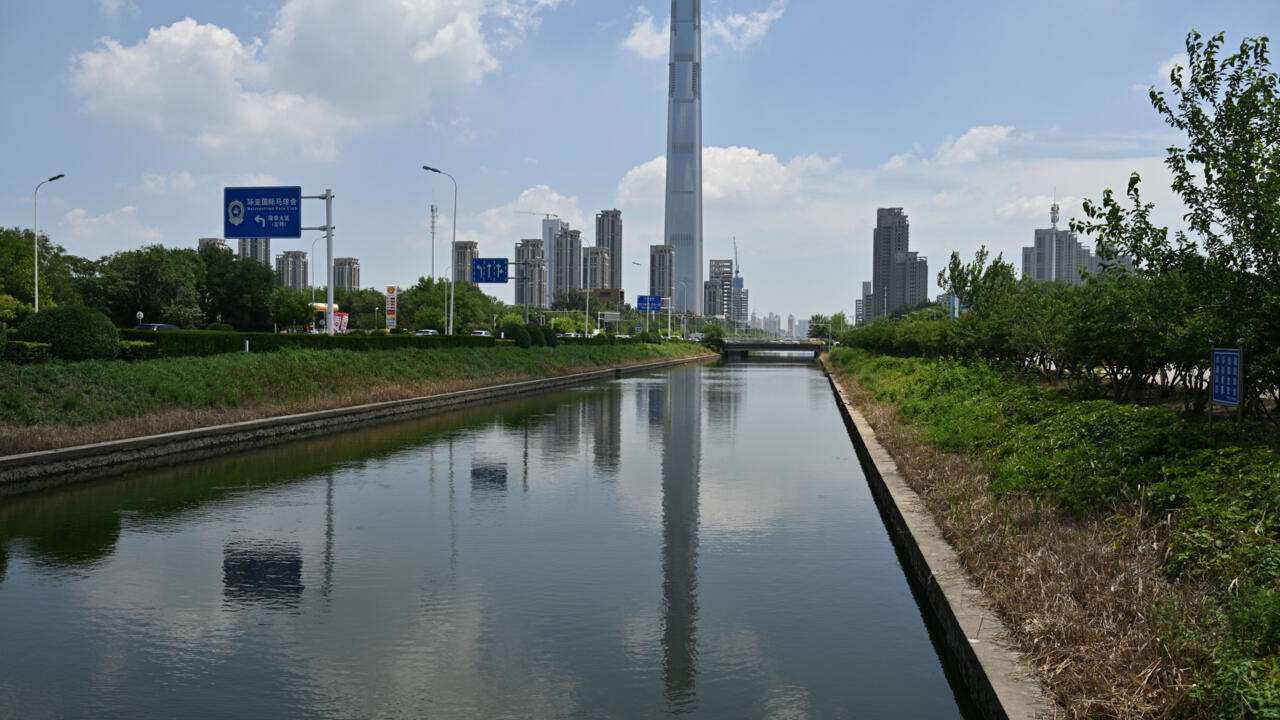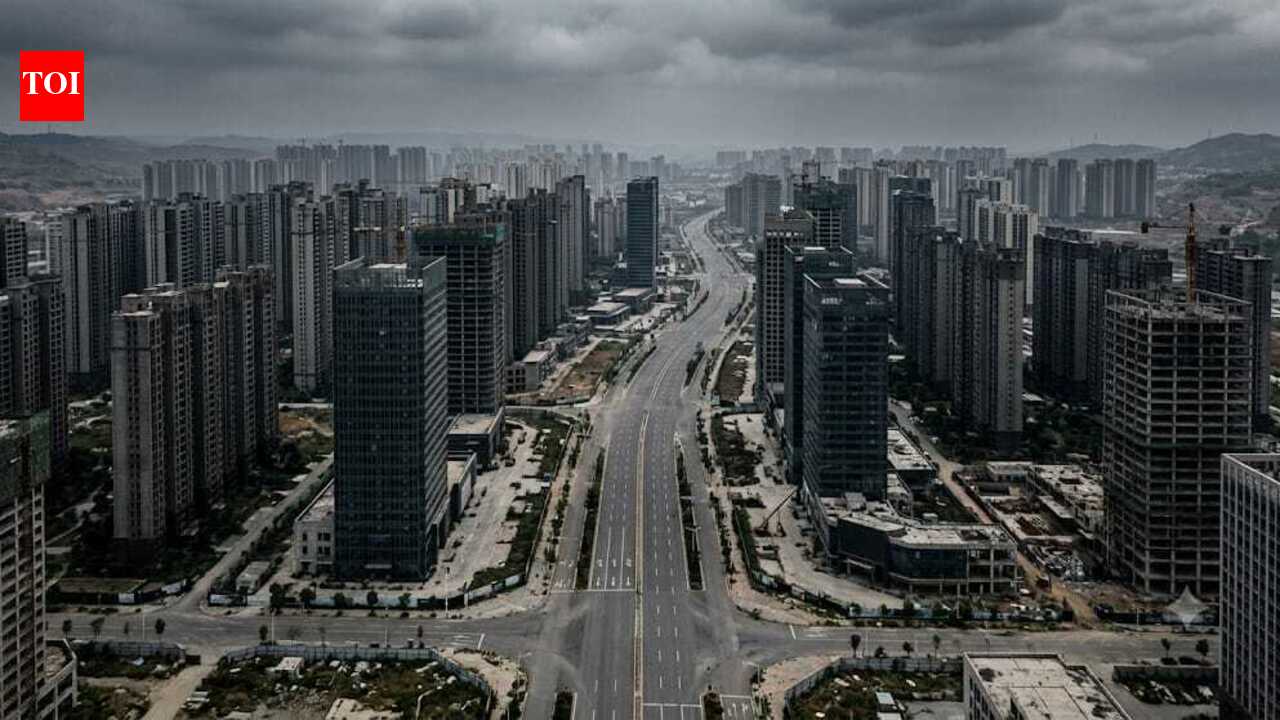
When images of empty boulevards, silent apartment blocks and vast public squares emerged from Kangbashi, a newly built district in Ordos, Inner Mongolia, the city quickly became known around the world as China's largest "ghost city".
Designed to accommodate around 300,000 residents and built during the region's coal-fuelled economic boom, Kangbashi appeared to many as the ultimate example of urban overbuilding.
International headlines portrayed it as a city where almost nobody lived, fuelling debates about China's property market and rapid urbanisation.
Yet more than a decade later, researchers and journalists argue that Kangbashi's story is far more nuanced than the ghost-town label suggests.How Ordos Kangbashi became an international symbol of overbuildingConstruction of Kangbashi began in 2004, when Ordos was one of China's wealthiest regions thanks to soaring coal revenues.
Rather than expanding the existing urban core, local authorities planned an entirely new administrative district featuring museums, theatres, schools, hospitals, government offices, parks and thousands of modern apartments.The long-term vision was to relocate government institutions and gradually attract businesses and residents, creating a modern city capable of supporting future economic growth.