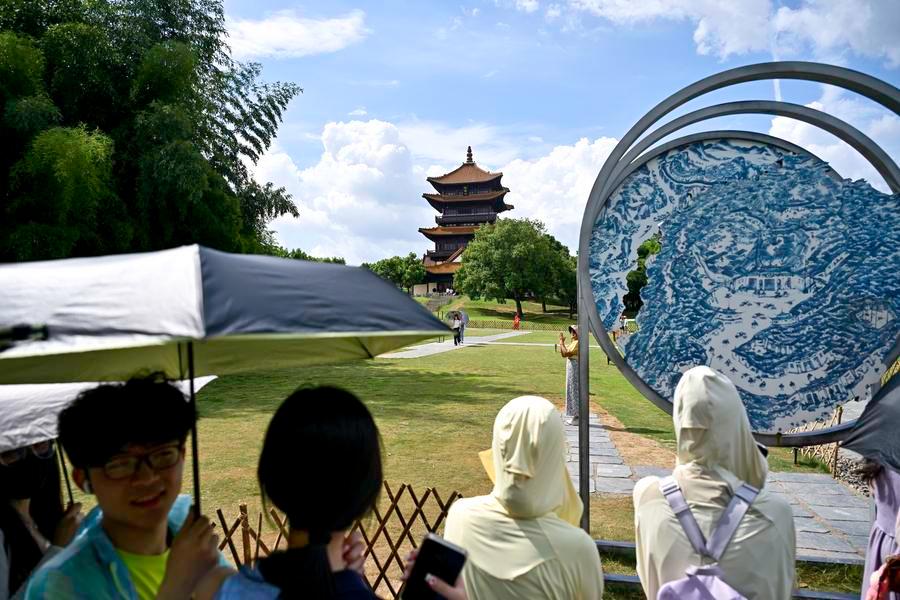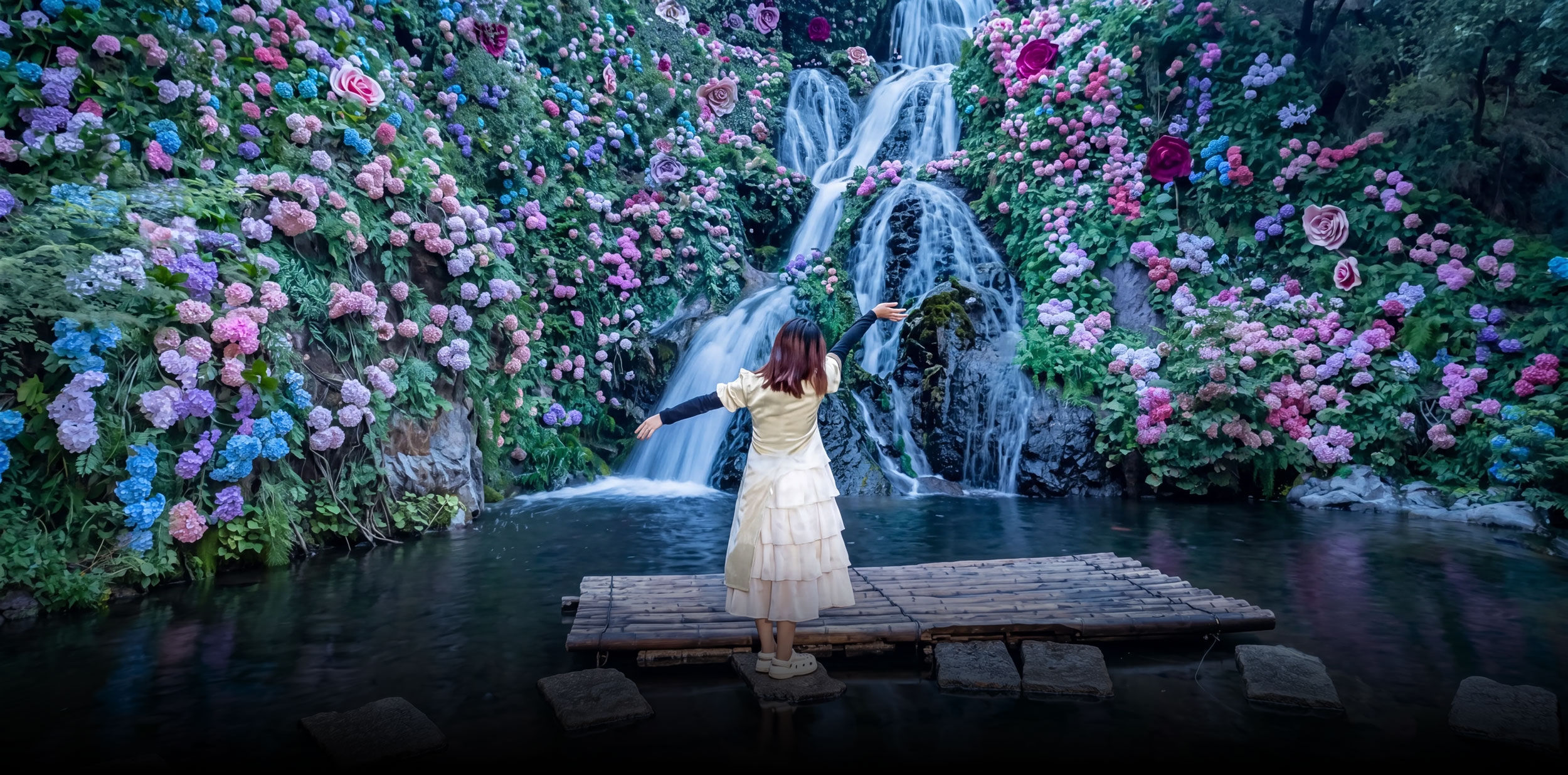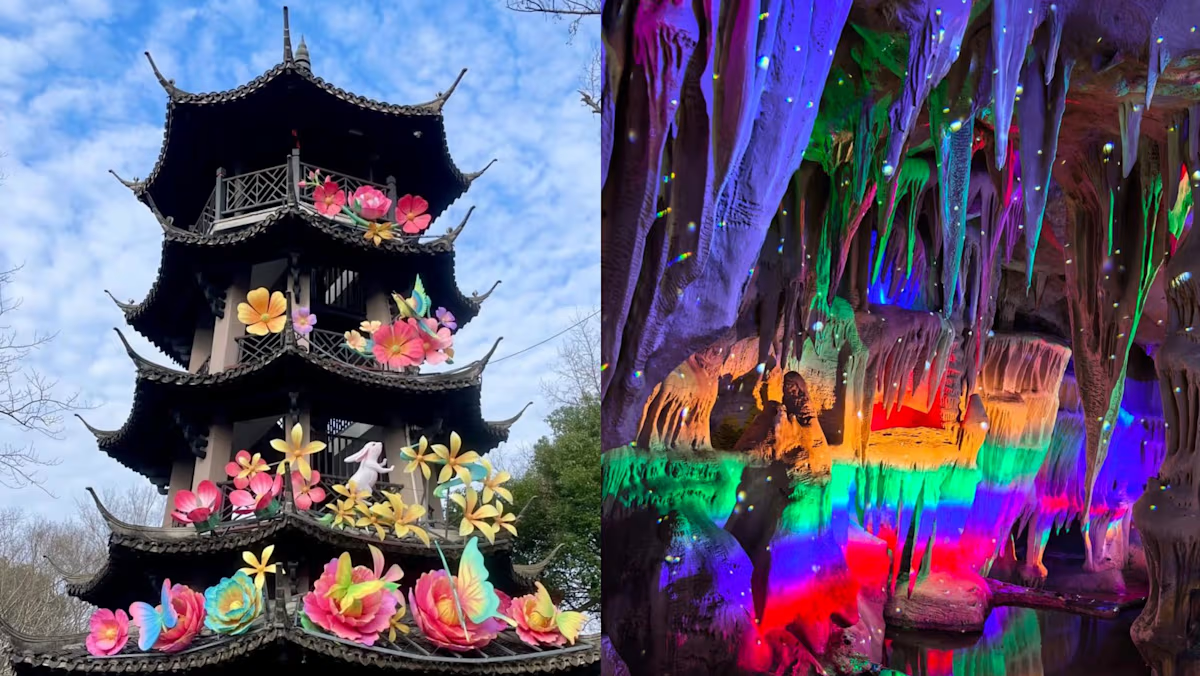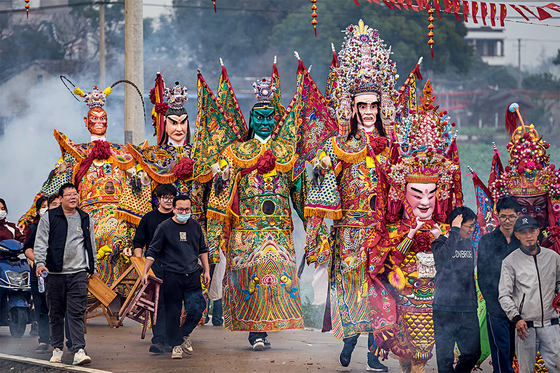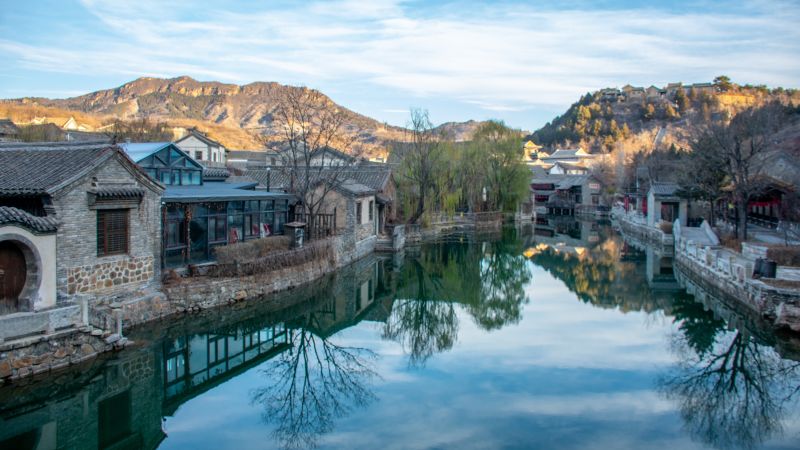
China is proud of its history. The only problem? Much of it has been lost to fires, wars, looting and revolutions.
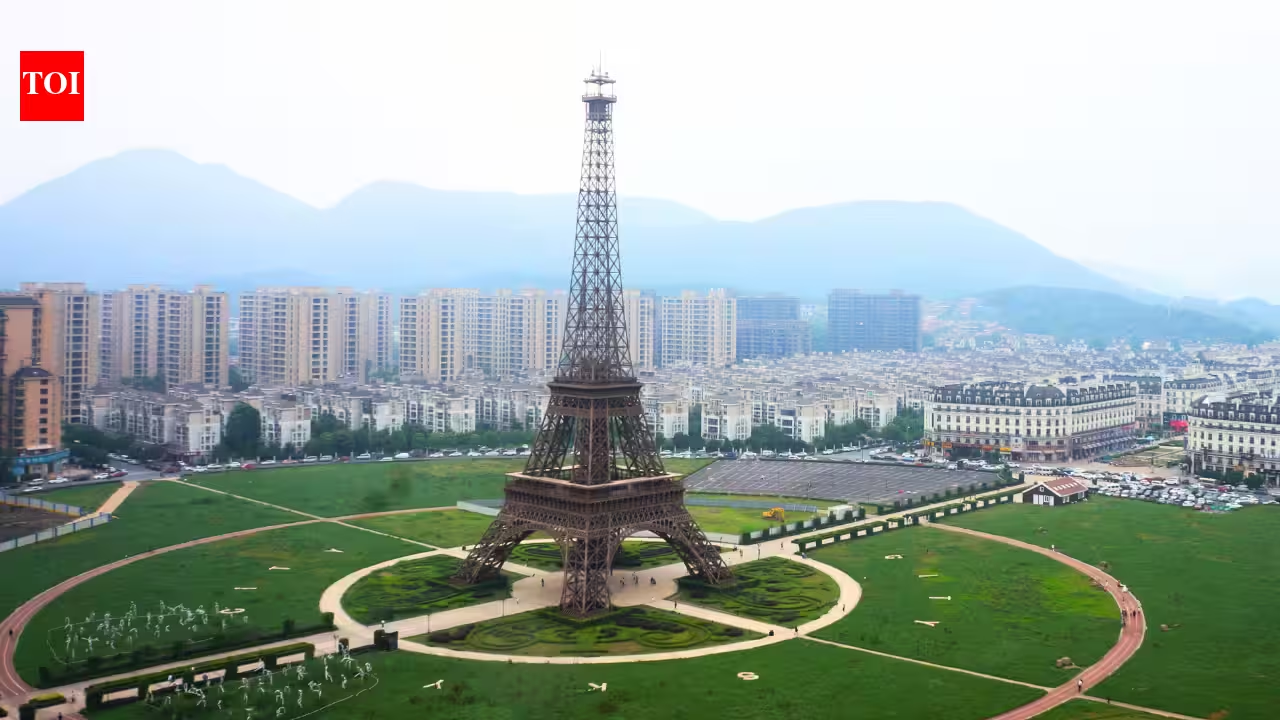
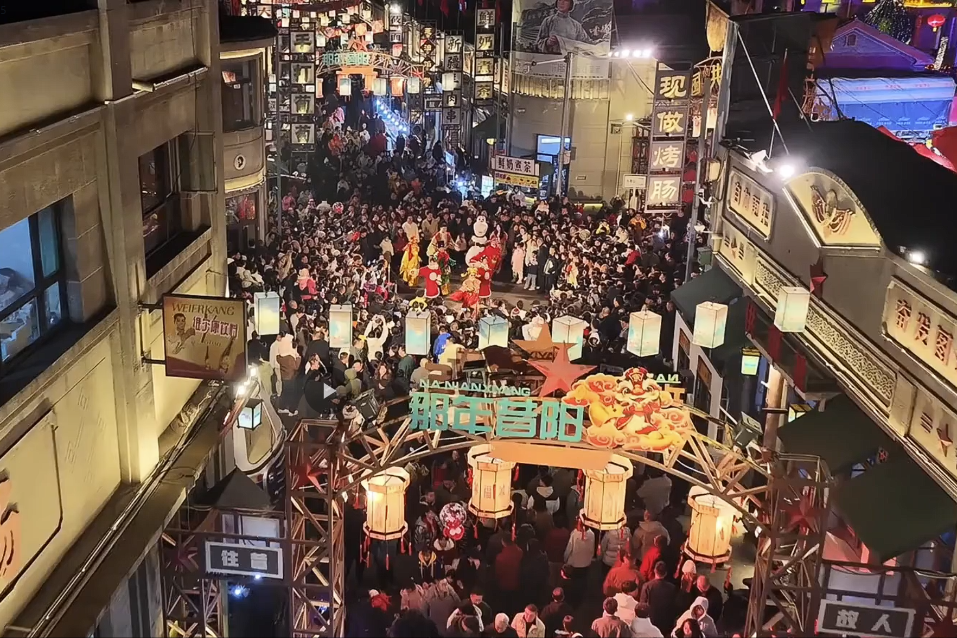
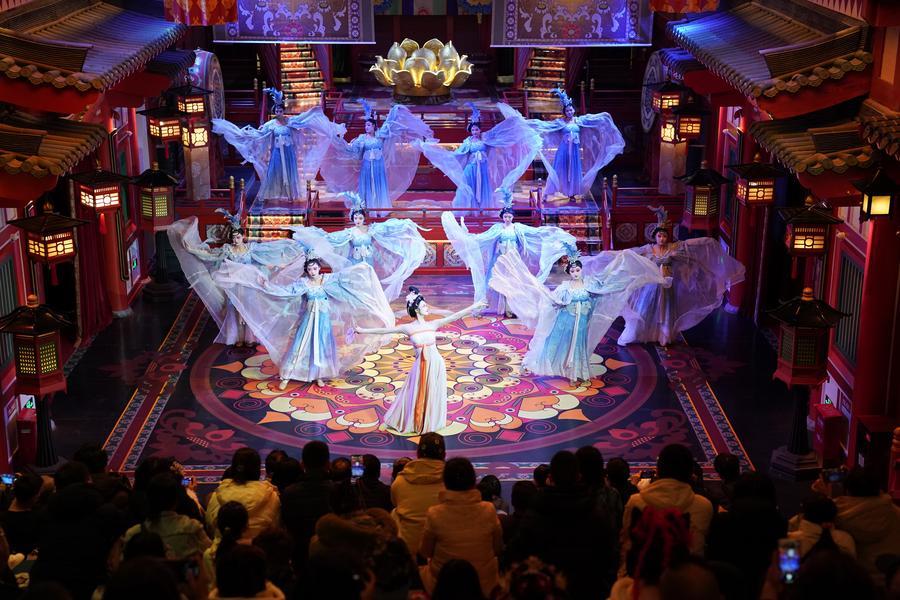
Enter fanggu, “historical imitation” attractions. Across the country, entire faux-ancient villages have been built from scratch. From glistening palaces to majestic boulevards, every detail is curated. Vines are transplanted in bulk, and tiles are crumbled mechanically. The result is a grand, albeit sometimes bizarre, fusion of dynastic history, architecture and geography.
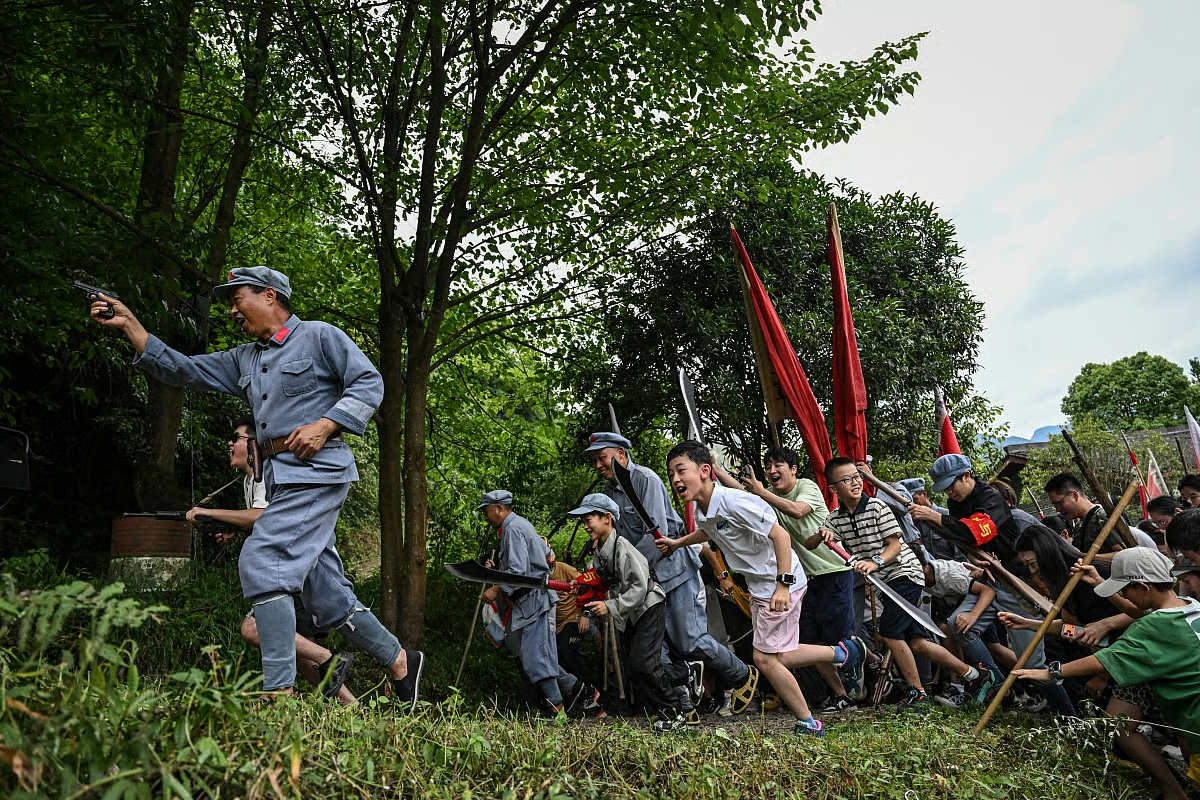
Modern consumers are “increasingly willing to pay for emotional value, seeking deeper engagement and cultural meaning through immersive experiences,” Yang Jinsong, director of the International Institute at the China Tourism Academy, told state media outlet People’s Daily in June.
For many domestic travelers frustrated with a stagnant economy, fanggu villages seem to offer the perfect escape. Once there, for an average of just $15, one can choose from hundreds of ready-made traditional costumes known as Hanfu.
For another $10, they unlock the full package: makeup, accessories, professional photography and post-production editing. Aiming for the classic pale-faced, red-lipped aesthetic, these photoshoots have become viral sensations on the popular social media platform Xiaohongshu (RedNote).