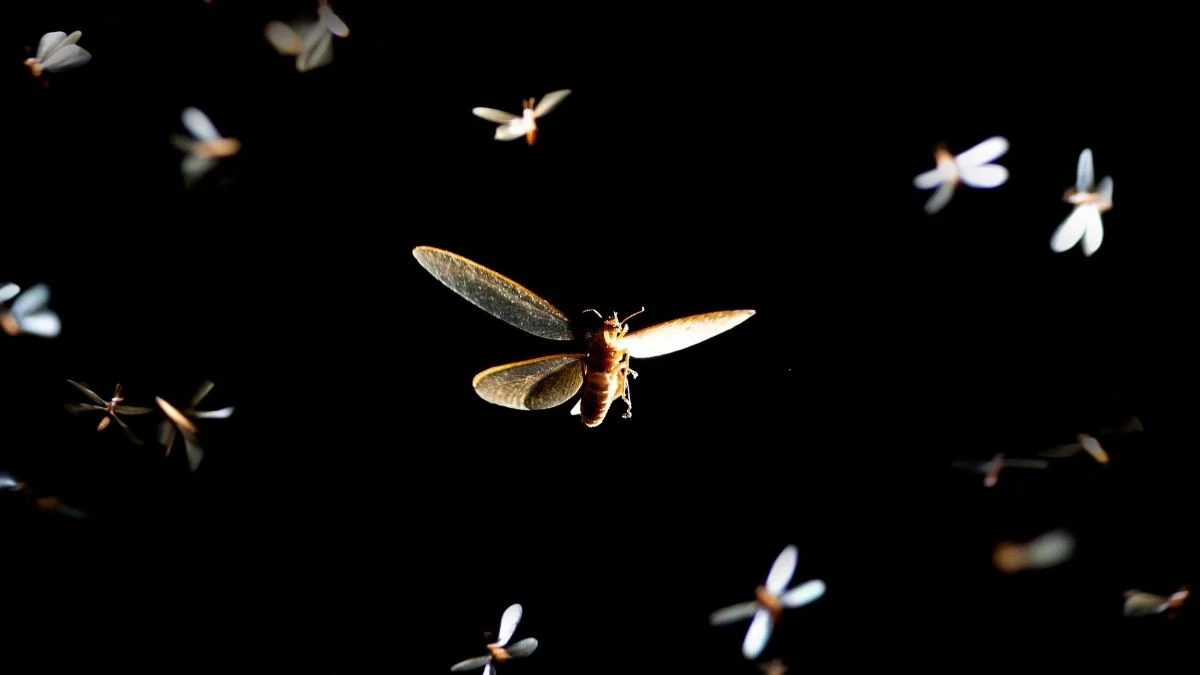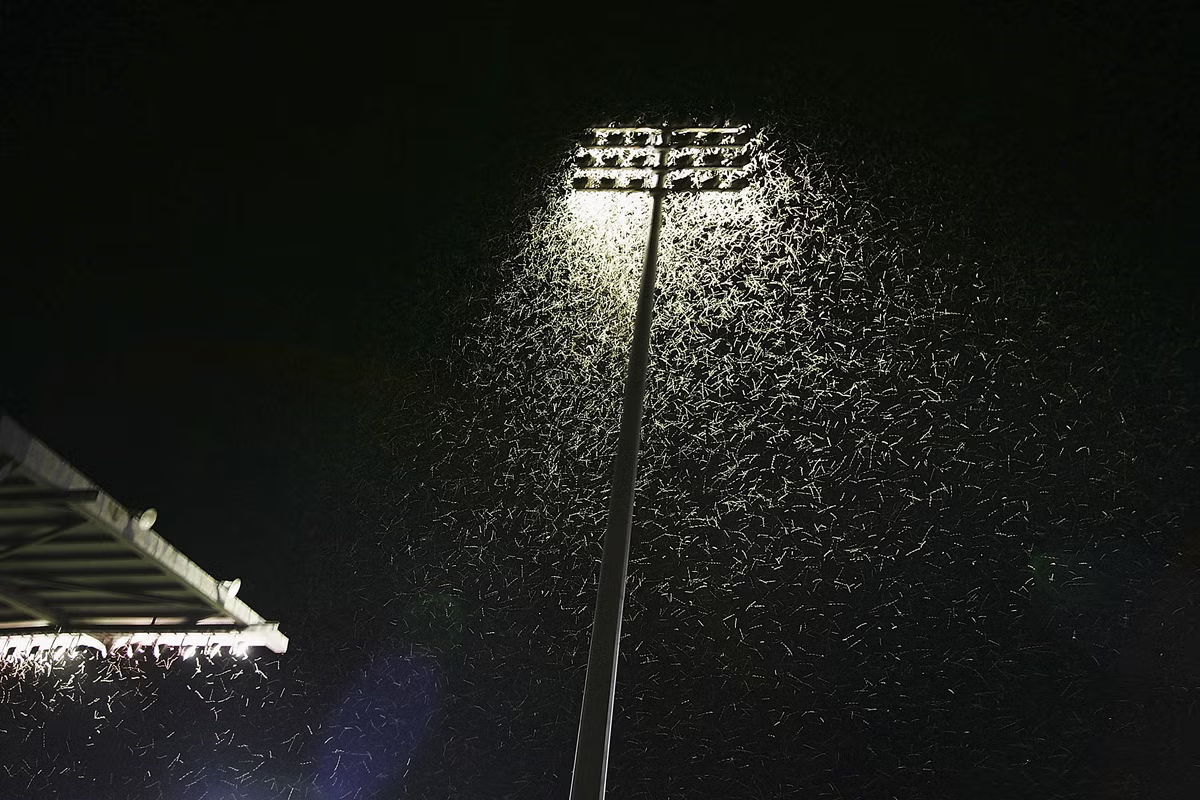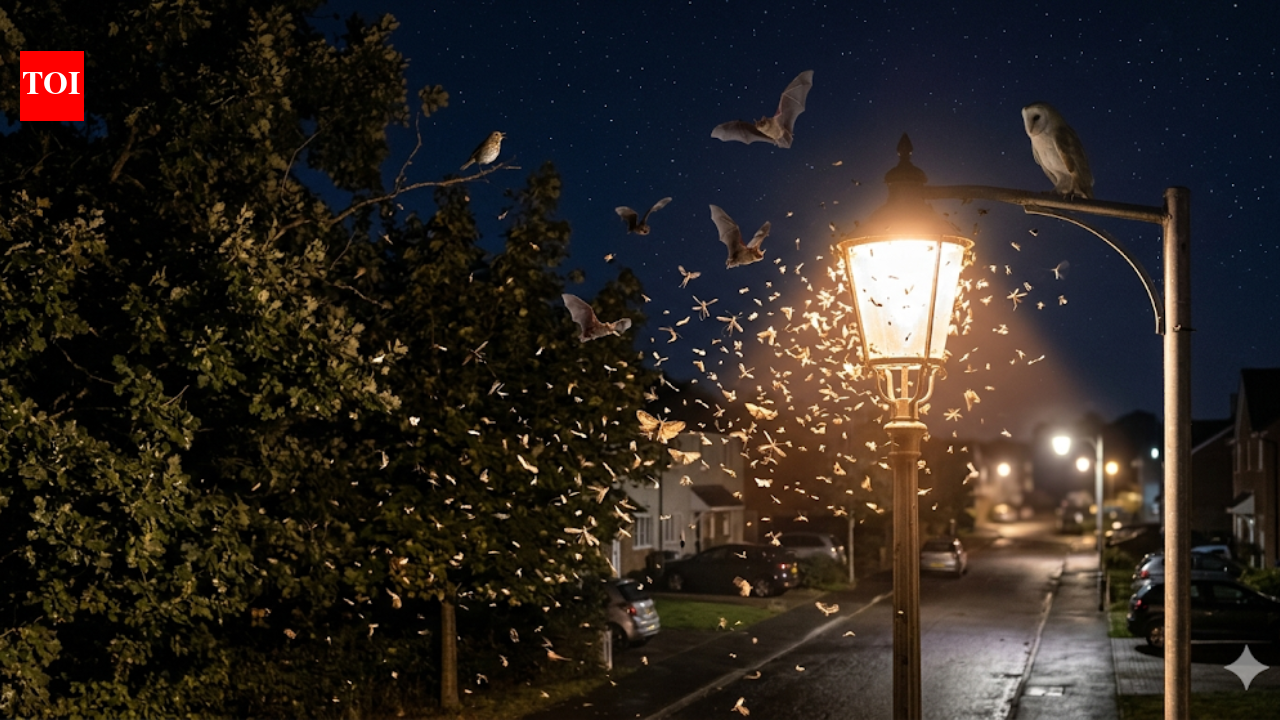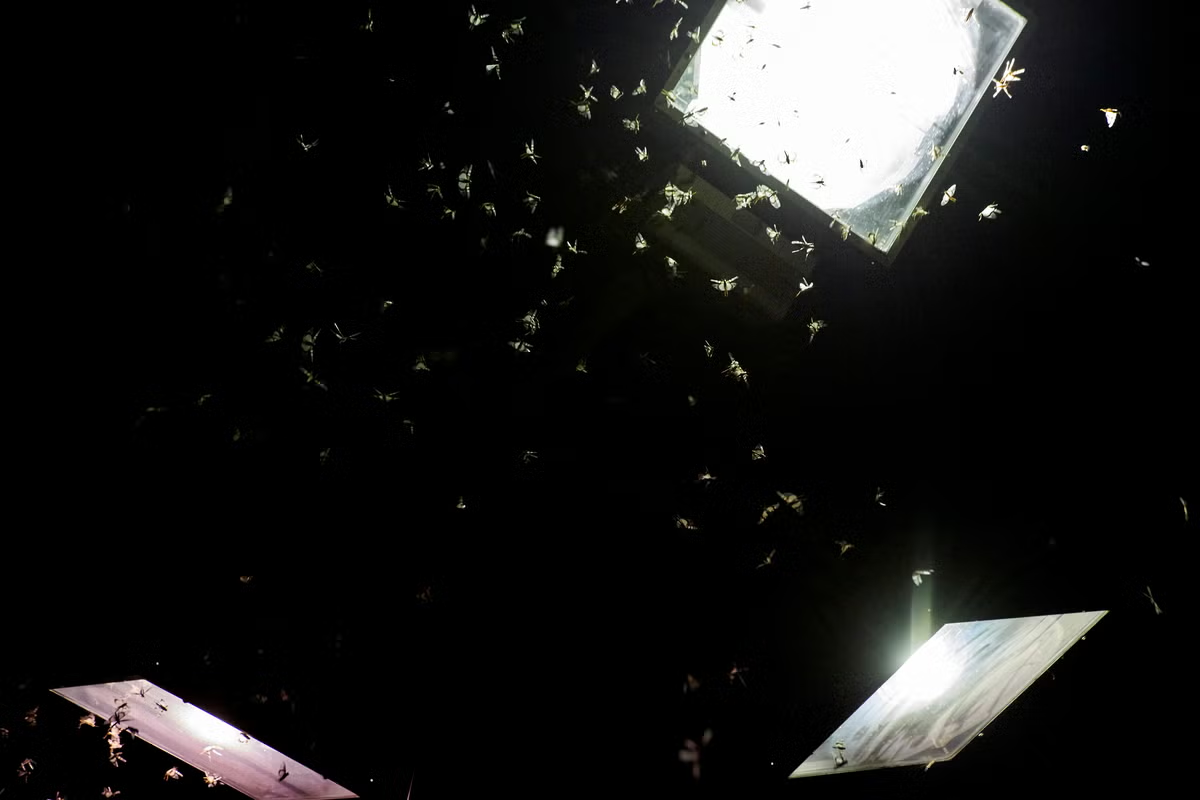
Jump to contentThank you for registeringPlease refresh the page or navigate to another page on the site to be automatically logged inPlease refresh your browser to be logged inAllNewsSportCultureLifestyleA new study indicates that a minor modification to LED lamps in urban areas could potentially save millions of insects from artificial light pollution. Researchers discovered that specially designed 1800 Kelvin "amber LED" lights, which emit almost no blue light, attract considerably fewer insects than standard white LEDs and high-pressure sodium lamps. The study, conducted at six railway stations in Germany, monitored nearly 71,000 bugs, including critically endangered and legally protected species. Amber LEDs reduced insect abundance by approximately 40 to 44 per cent compared to other lighting systems tested. These findings suggest a practical method to make essential urban infrastructure more wildlife-friendly without negatively impacting human requirements. In fullThe simple change that could save millions of insect livesMore bulletinsThank you for registeringPlease refresh the page or navigate to another page on the site to be automatically logged inPlease refresh your browser to be logged in
Researchers may have solved a problem caused by artificial street lights
Jump to contentThank you for registeringPlease refresh the page or navigate to another page on the site to be automatically logged inPlease refresh your browser to be logged inAllNewsSportCultureLifestyleA new study indicates that a minor modification to LED lamps in urban areas could potentially save millions of insects from artificial light pollution. Researchers discovered that specially designed 1800 Kelvin "amber LED" lights, which emit almost no blue light, attract considerably fewer insects than standard white LEDs and high-pressure sodium lamps. The study, conducted at six railway stations in Germany, monitored nearly 71,000 bugs, including critically endangered and legally protected species. Amber LEDs reduced insect abundance by approximately 40 to 44 per cent compared to other lighting systems tested. These findings suggest a practical method to make essential urban infrastructure more wildlife-friendly without negatively impacting human requirements. In fullThe simple change that could save millions of insect livesMore bulletinsThank you for registeringPlease refresh the page or navigate to another page on the site to be automatically logged inPlease refresh your browser to be logged in