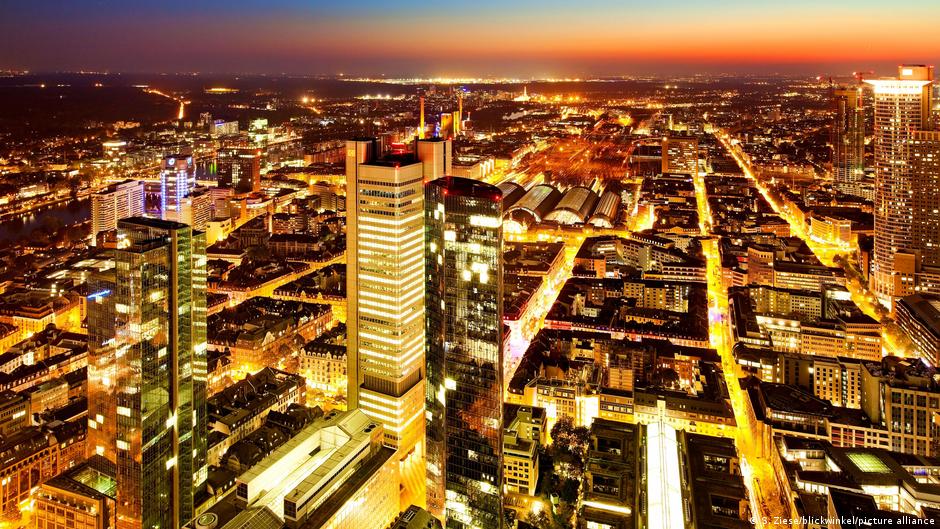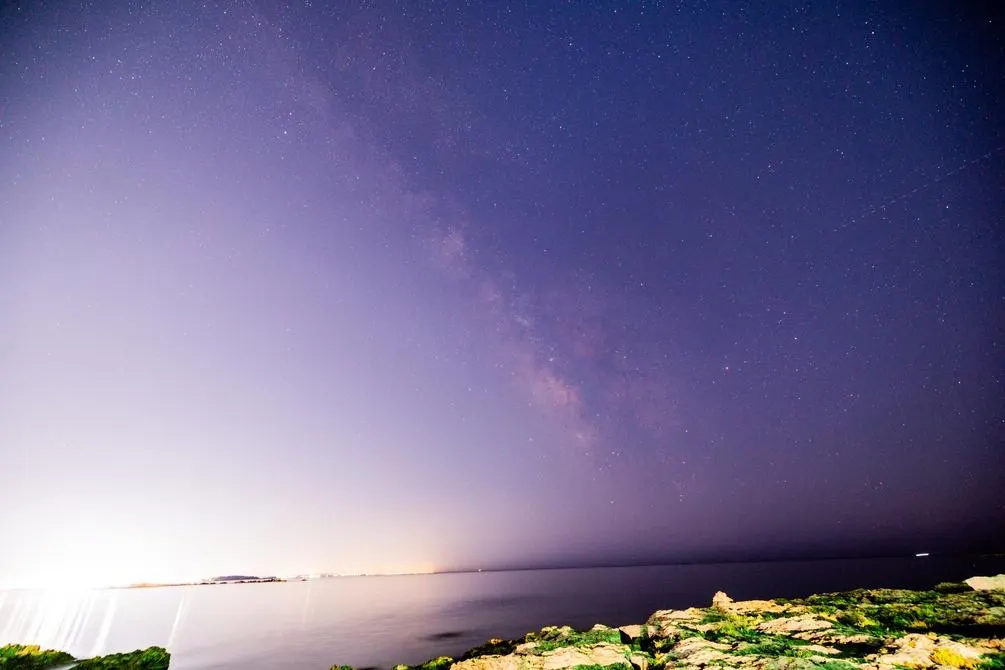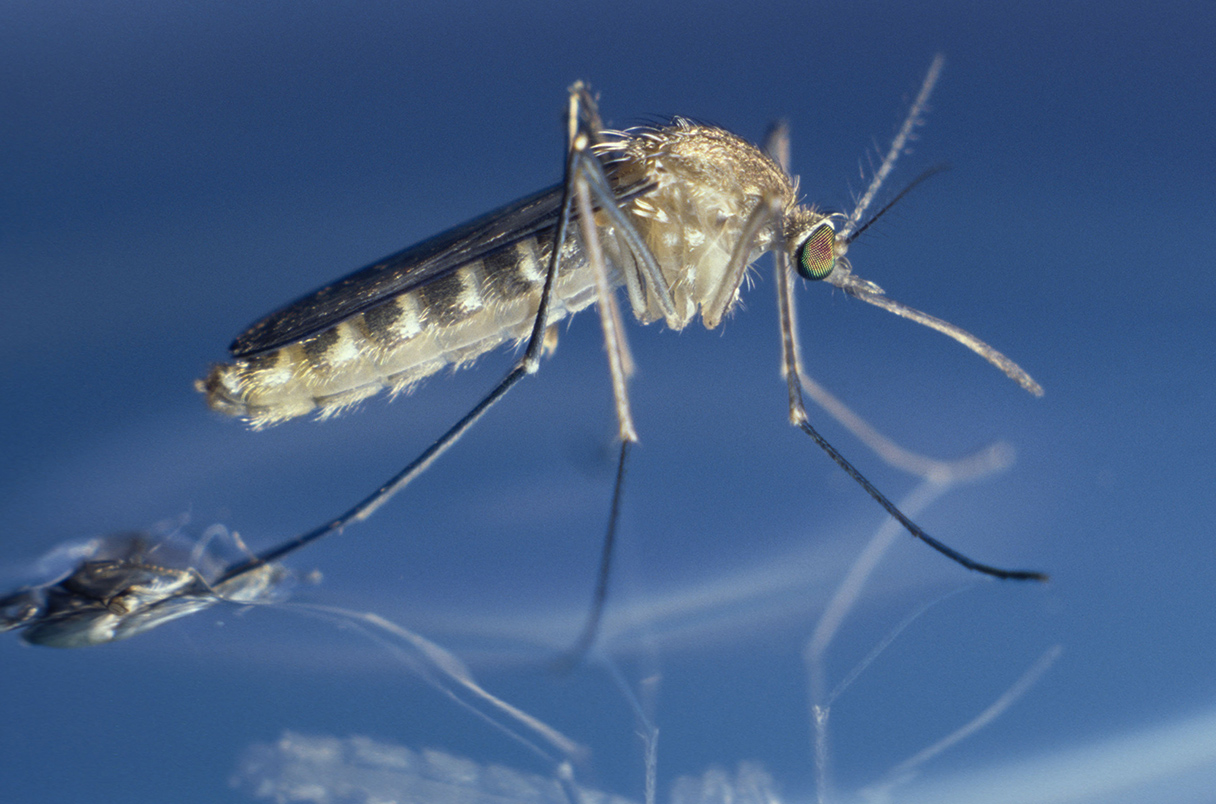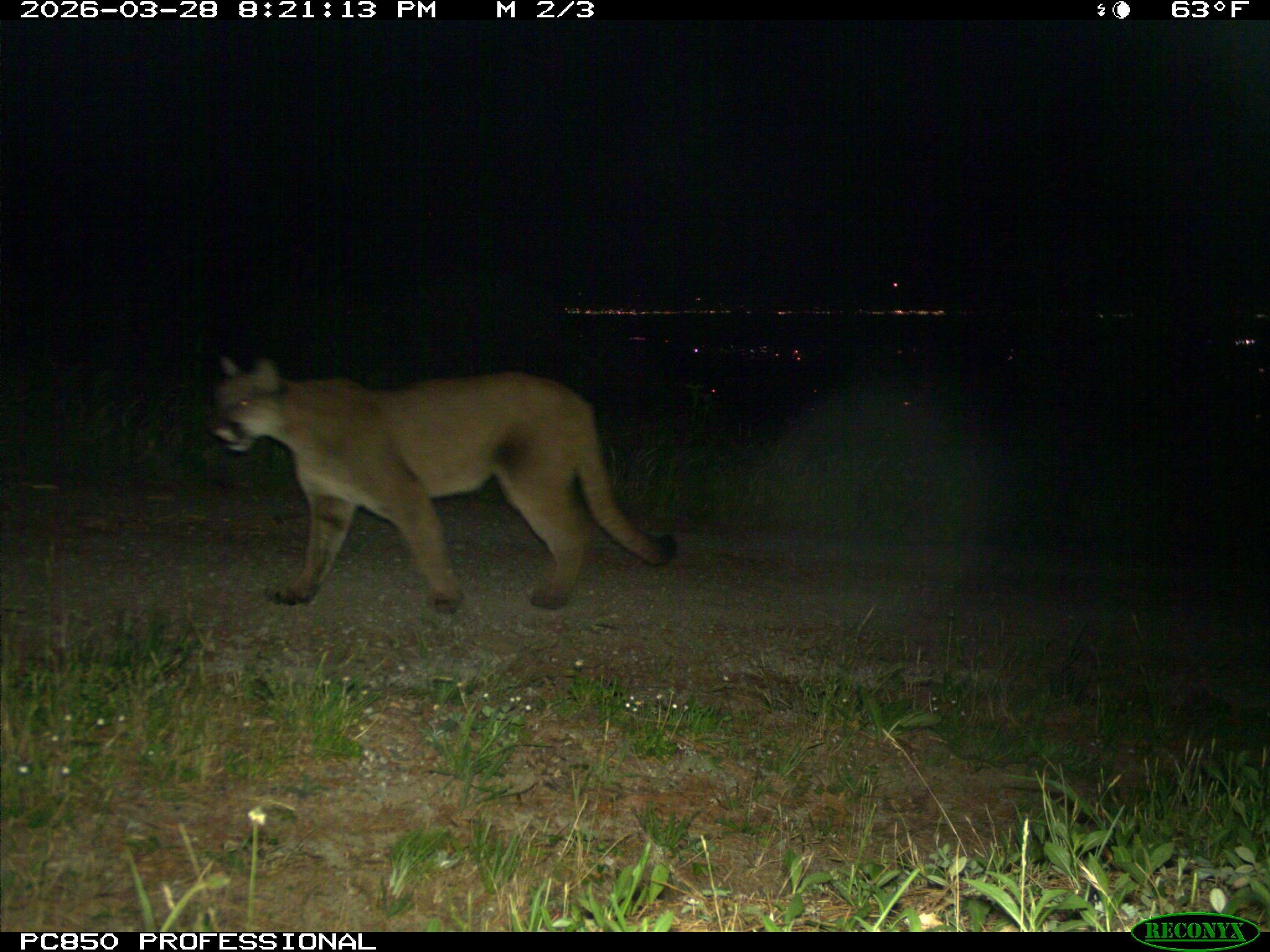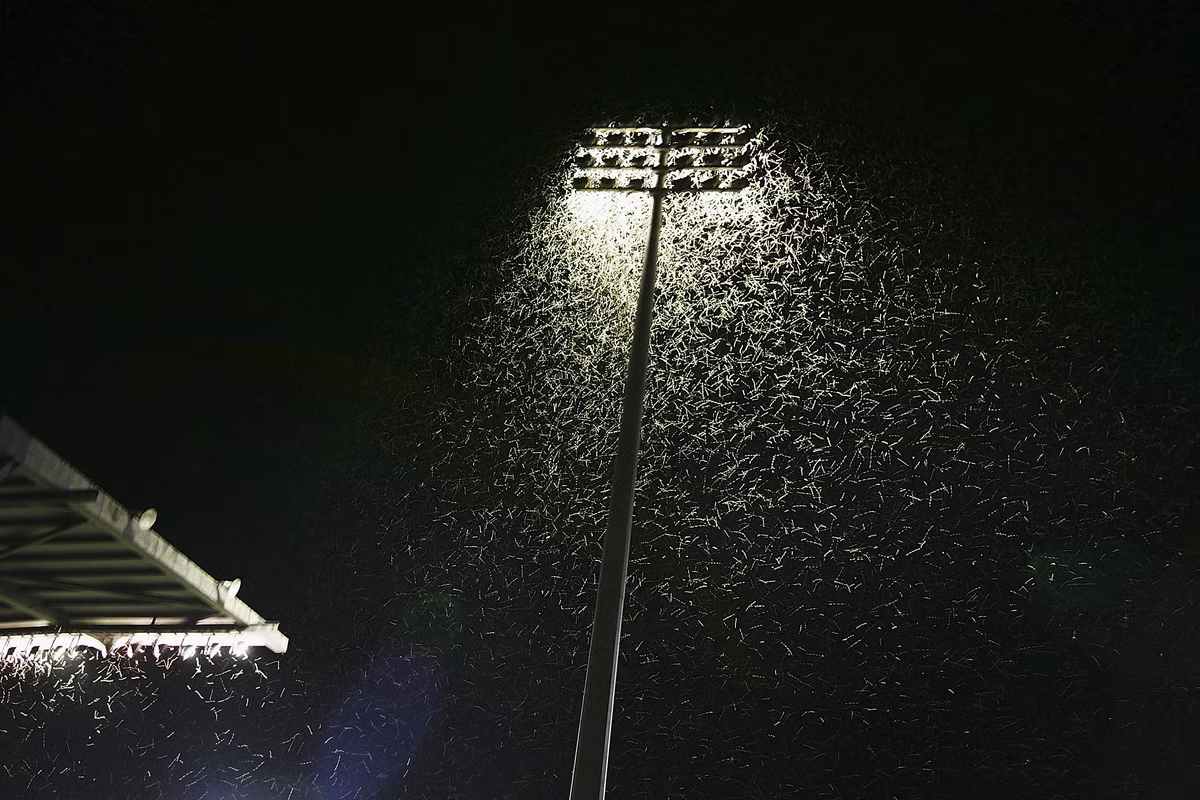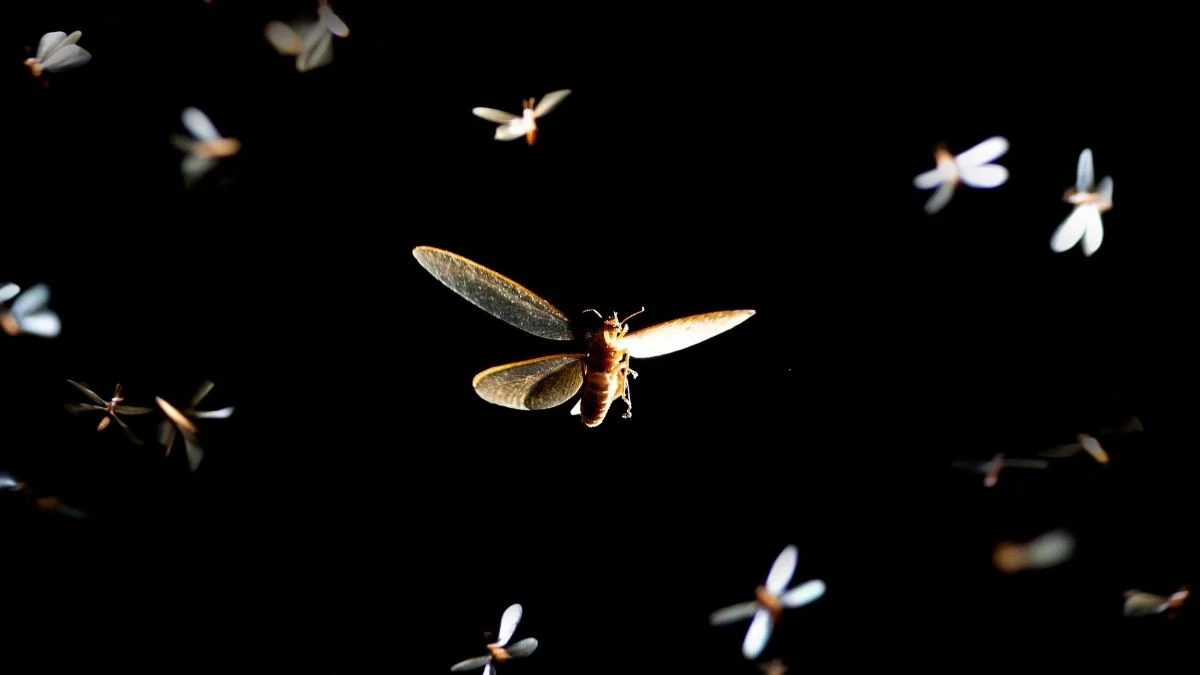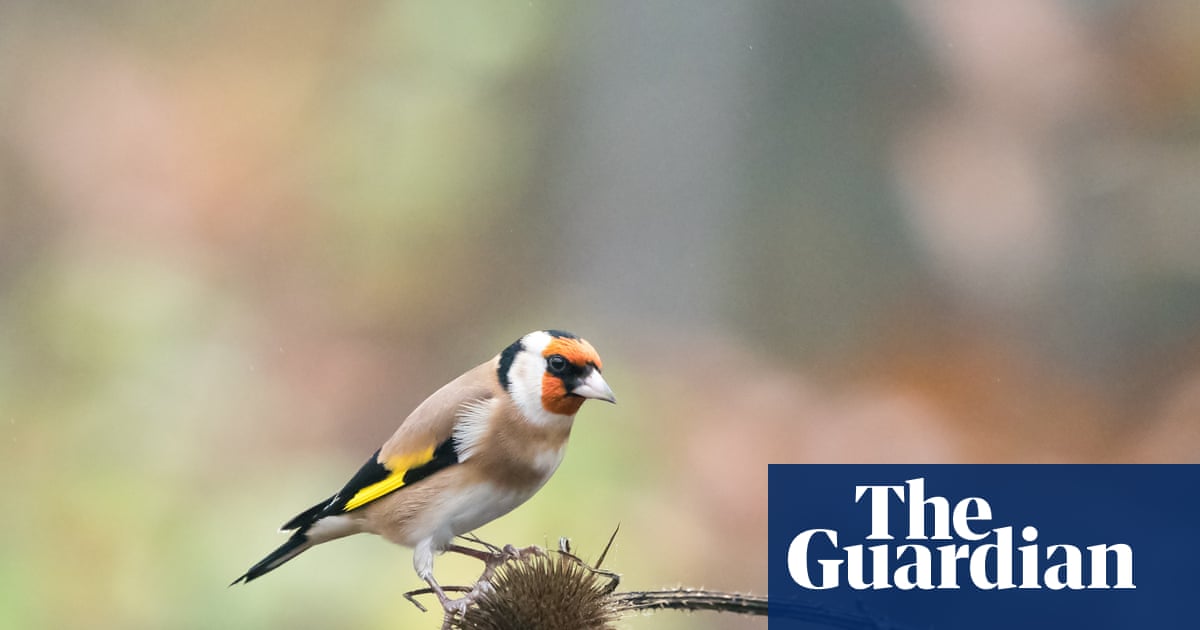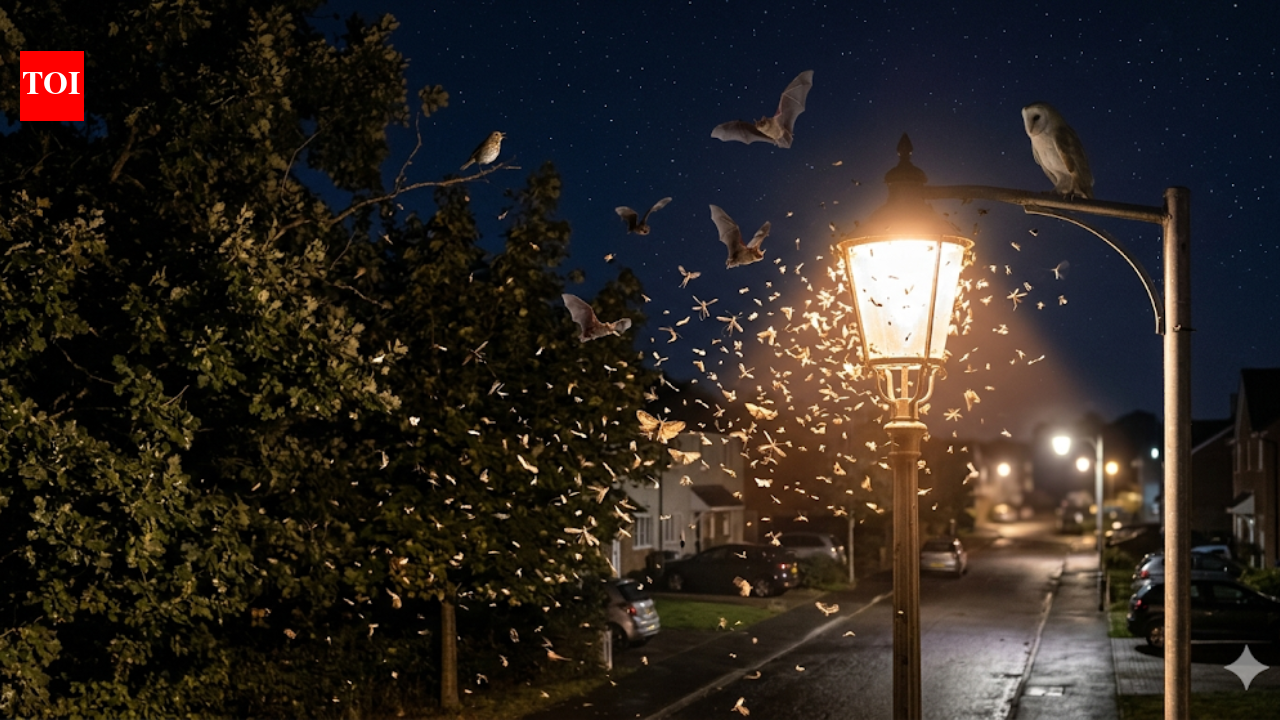
The link between artificial light at night, street lights, light pollution, biodiversity destruction, nocturnal fauna, bats, insects, and birds is becoming more evident in modern environmental science.
It has been suggested that too much light during the night not only causes comfort for humans but also becomes a serious threat to the environment.
Research concerning artificial light at night (ALAN) suggests that street lights interfere with the migratory patterns, food gathering, reproductive activity, and sleep of many creatures.
Bees hovering around streetlights or migrating birds failing to find their way due to city lights are examples of such interference that remain unnoticed by people.How artificial street lighting disrupts animal behaviourWhile street lamps are associated with safety, visibility, and modernity for humans, these lamps pose a danger to wildlife.
Animals adapted to the natural rhythm of day and night, which helped them hunt, navigate and avoid predators.