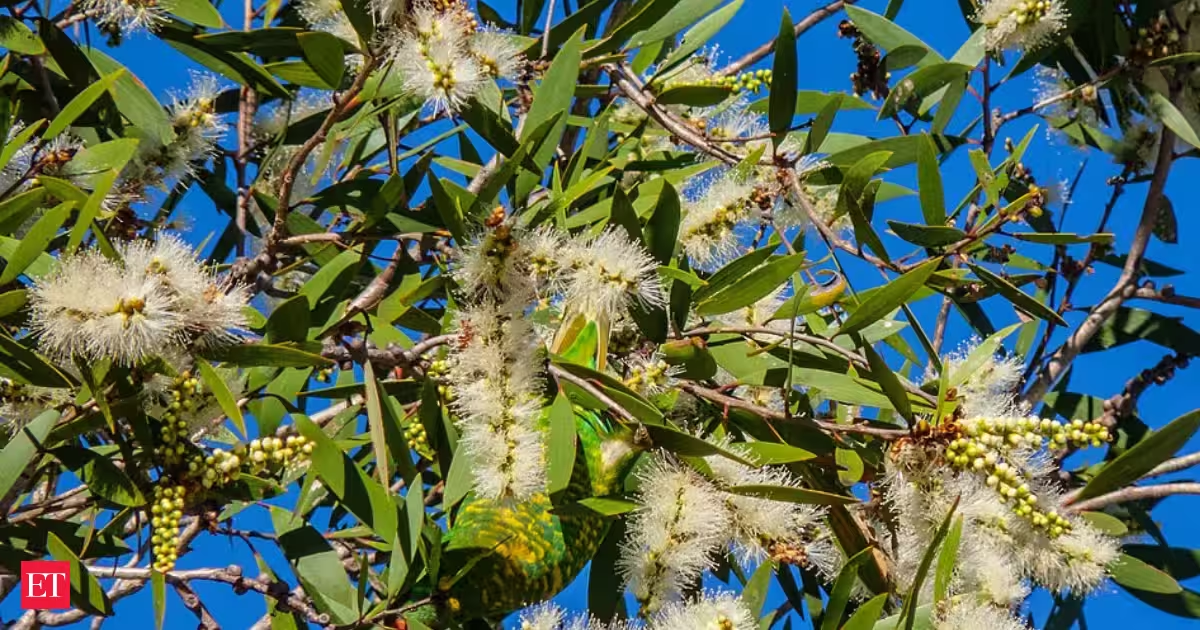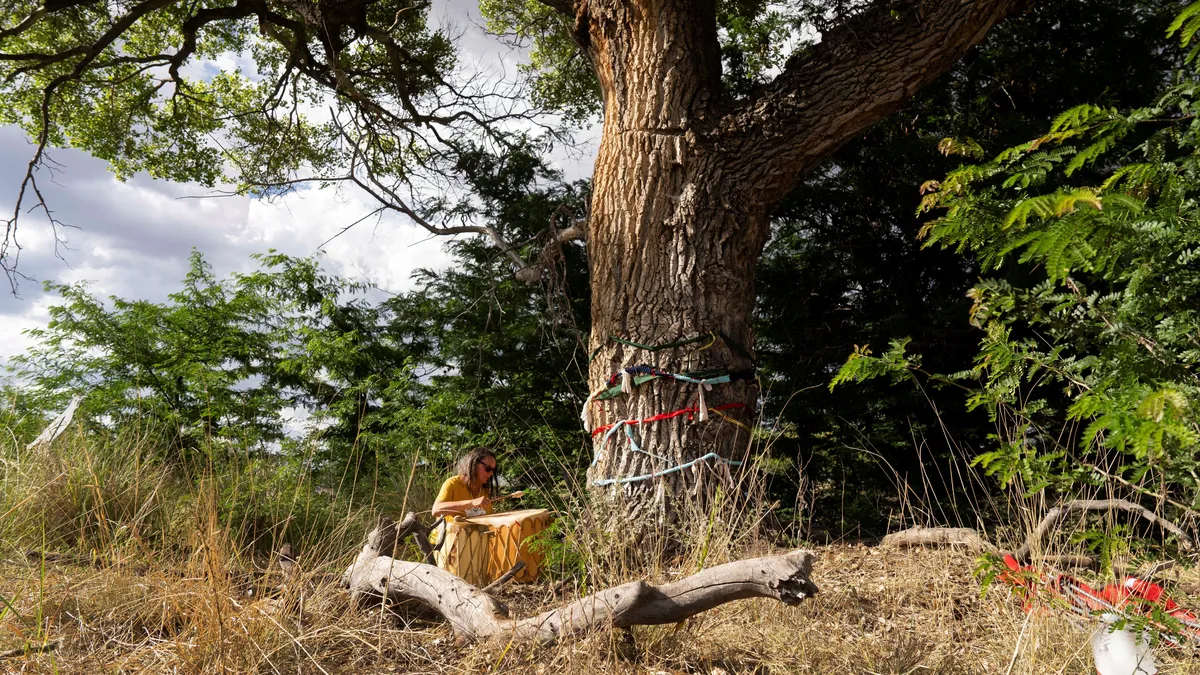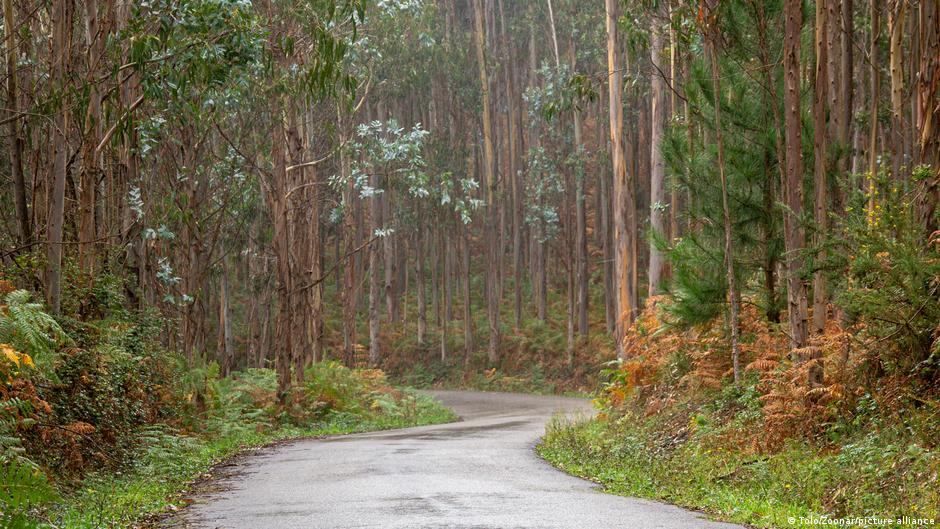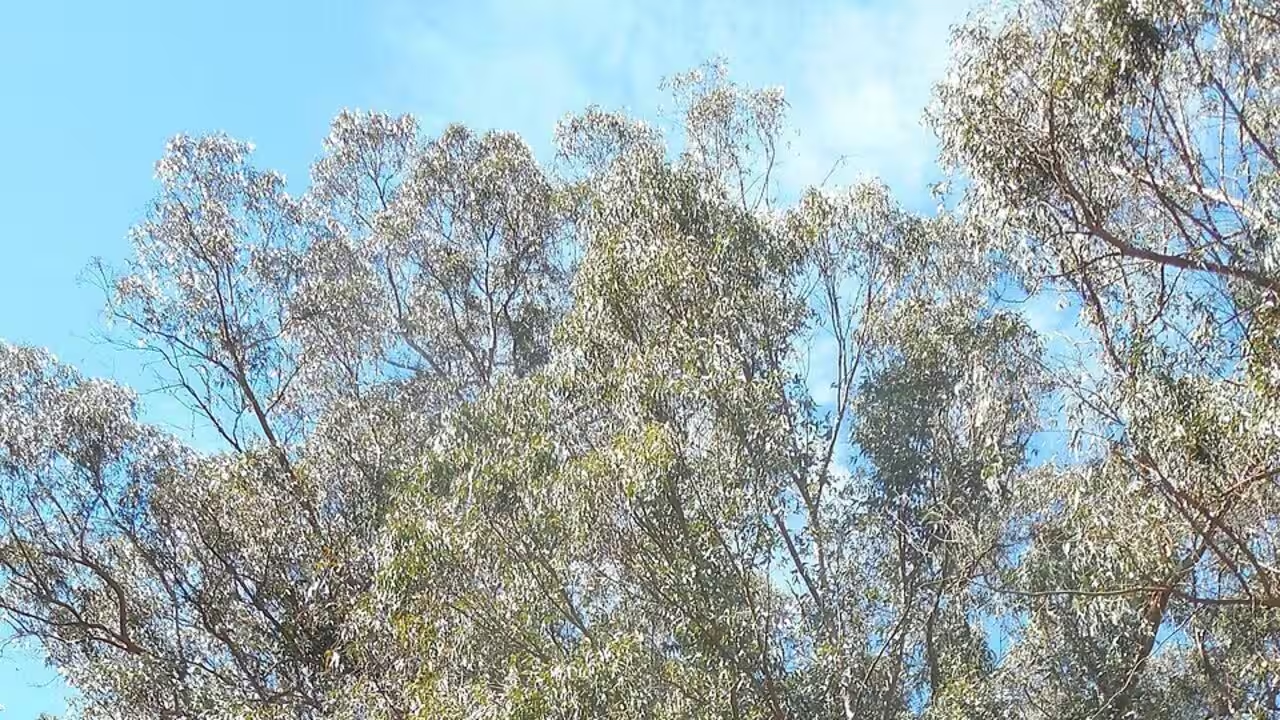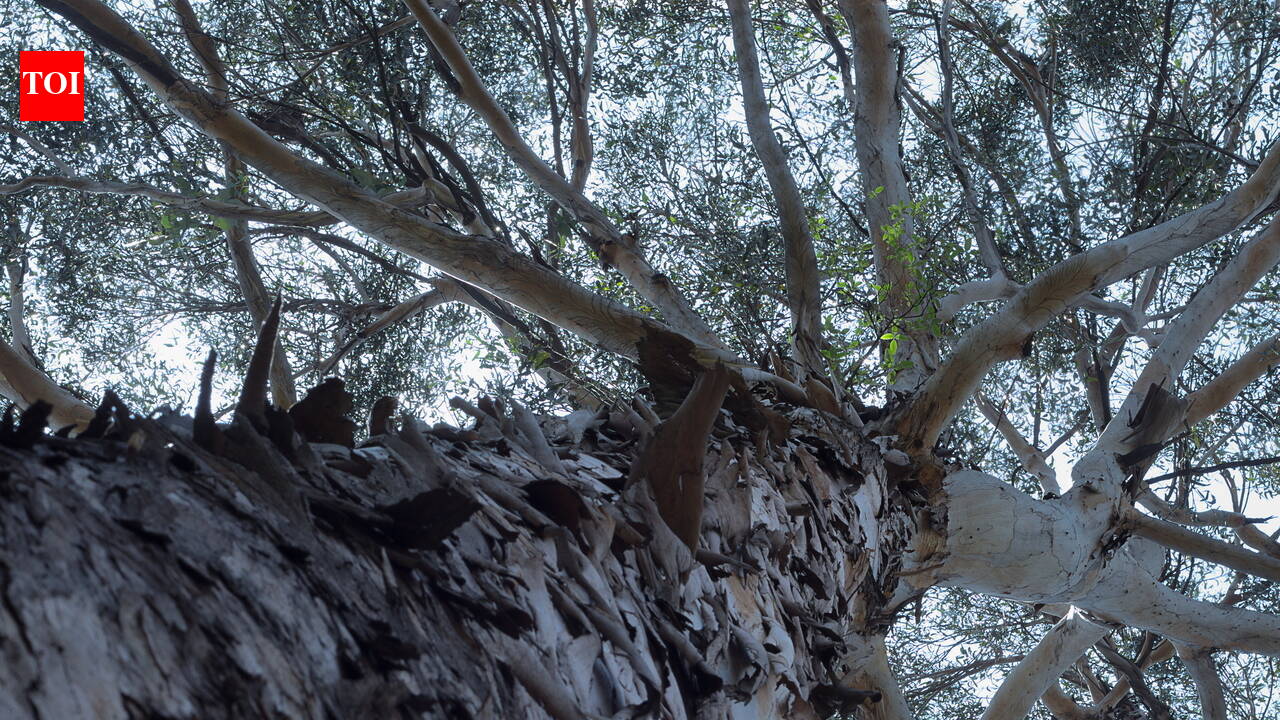
Eucalyptus trees, popular for their rapid growth, now face scrutiny in urban settings. A study in Mexico City assessed physical risks and resident views on these trees. Researchers identified specific areas with higher risks of tree failure due to various factors. Image Credits: Wikimedia CommonsFor years, eucalyptus trees have been common in cities, lining roads, filling parks and thriving even in heavily built-up areas. Their height, fast growth and fragrant scent have made them a popular choice in cities worldwide. However, some cities are now reassessing whether certain non-native trees belong in busy public spaces.A study published in Urban Forestry & Urban Greening examined how eucalyptus trees are performing in one of the world’s largest cities. The research looked at both the physical risks linked to eucalyptus trees and how residents feel about managing or replacing them.The researchers examined five green areas in Mexico City, assessing 618 eucalyptus trees across 30 plots and collecting responses from 150 visitors and workers to study both the risk of tree failure and how people perceive the removal or replacement of these trees. To identify the highest-risk zones, the scientists combined tree assessments, maps and residents’ views. The researchers found that some sampling plots containing eucalyptus trees were classified as having a higher risk of tree failure than others, particularly in areas with intense public use.Why can eucalyptus trees pose risks in urban areas?Eucalyptus trees originate from Australia, but they can be seen all around the world because they grow fast and adapt to various surroundings. In Mexico City, Eucalyptus camaldulensis and Eucalyptus globulus became widespread because they were adaptable and visually appealing.However, the same characteristics that made them popular for urban planting have also created management challenges. The study identified factors such as tree decline, pest damage, trunk instability, inclination and exposure to weather conditions as contributors to eucalyptus failure risk.The researchers used geographic information systems and a multi-criteria assessment to identify higher-risk areas. They examined factors such as tree tilt, signs of decline, insect damage, tree height, trunk size, distance from roads and buildings, and the number of eucalyptus trees growing in each area.The analysis found that 23.3 per cent of the 30 sampling plots assessed across five green areas in Mexico City were classified as high risk for eucalyptus tree failure, while another 23.3 per cent were classified as medium risk. Some of the highest-risk areas were locations where trees were growing close to places used frequently by the public.The researchers noted that urban tree selection requires consideration of both the benefits trees provide and the risks associated with certain species.Moreover, Mexico City has previously seen eucalyptus trees in poor health. The study says pest outbreaks have affected eucalyptus health, raising concerns about their management.Why do people still appreciate eucalyptus trees?Despite the dangers and problems raised about the safety of the trees, people appreciate them. According to the study, people appreciate eucalyptus trees for various reasons such as their beauty, shade, scent, and medicinal use.Researchers discovered that people’s views were often shaped by personal experiences. Those who had seen eucalyptus trees fall were more likely to recognise the risks associated with them. In contrast, people who mainly experienced the benefits of these trees were less likely to support their removal.This helps explain why replacing urban trees can be a sensitive issue. Trees are not just part of city infrastructure. They can become connected with memories, neighbourhood identity and people’s sense of comfort in public spaces.The study found that public support for eucalyptus management was mixed but generally favourable: 64.7 per cent of respondents agreed with removing eucalyptus trees that could pose a risk to physical safety, while 67.3 per cent supported replacing eucalyptus with native species. Overall, 58 per cent of respondents supported eucalyptus removal and replacement with native trees. However, acceptance varied between different locations depending on people’s relationship with the trees.For example, areas where residents had stronger knowledge of eucalyptus risks showed greater support for replacement programmes. Meanwhile, places where eucalyptus trees had been part of the landscape for decades often showed stronger connections with these trees.The authors also propose that tree management in urban environments must take into account not only environmental assessment but also community perspectives. As the study suggests, risk communication and community participation could play a key role when cities change familiar landscapes.Many residents appreciate eucalyptus for shade and scent, influencing their views on removal. Balancing urban greenery needs with tree safety remains a key challenge for cities. Image Credits: Wikimedia CommonsBalancing greener cities with tree-safety concernsMexico City illustrates a dilemma faced by many cities. Cities need trees not only for shade and greenery but also for their environmental benefits. However, selecting appropriate trees is equally crucial.The study suggests that future urban forestry plans should focus on selecting trees that provide environmental benefits while also reducing risks linked to pests, weather exposure and structural weakness. The researchers suggested that replacing high-risk eucalyptus trees with native species could be considered as part of urban tree management strategies.When communities understand why certain trees may need to be managed or replaced and what alternatives could be introduced, they may be more willing to support changes.Eucalyptus trees have played an important role in shaping Mexico City’s urban landscapes for generations. Their story shows that urban greenery is not only about planting more trees but also about understanding how different species interact with cities over time.As cities manage urban forests, decisions about tree selection and care will remain central to urban planning. The future of city forests will depend on balancing public attachment to trees with the need for safe landscapes.
In 2025, Mexico City’s eucalyptus trees face new scrutiny as researchers assess risks of tree failure in urban spaces
For years, eucalyptus trees have been common in cities, lining roads, filling parks and thriving even in heavily built-up areas. Their height, fast growth and fragrant scent have made them a popular choice in cities worldwide.
931 words~4 min read