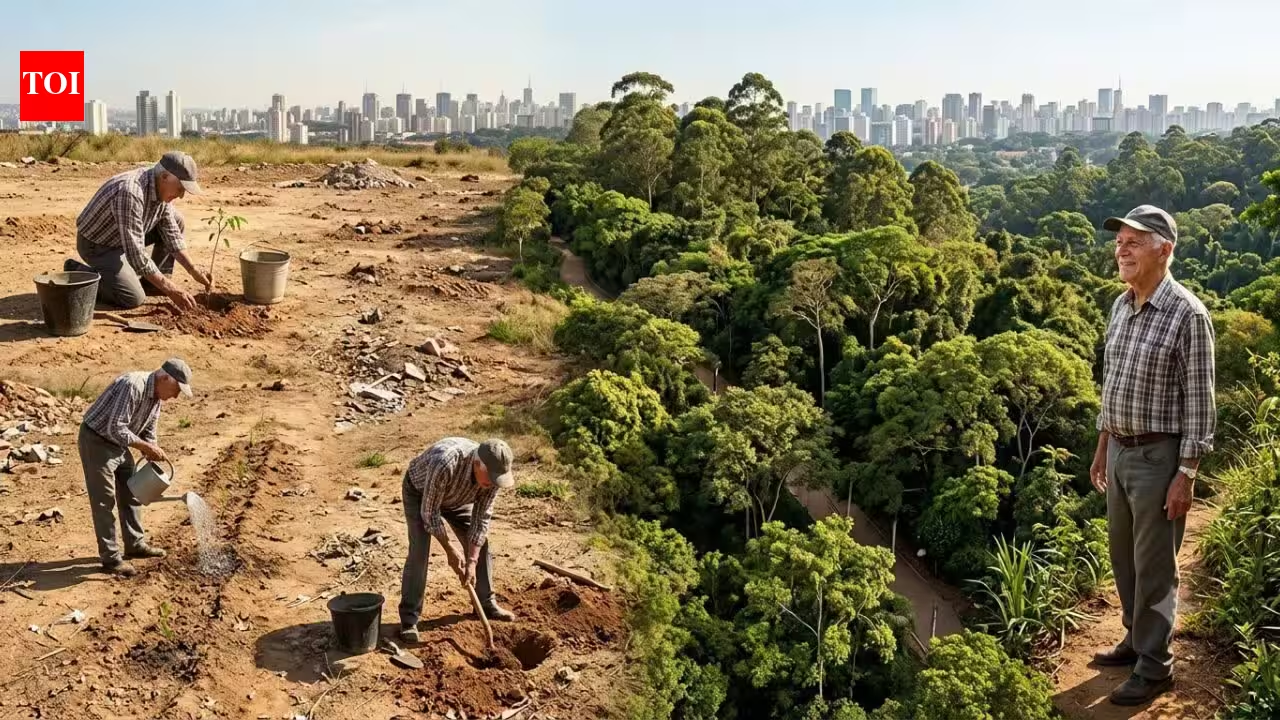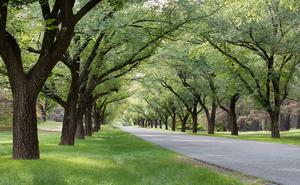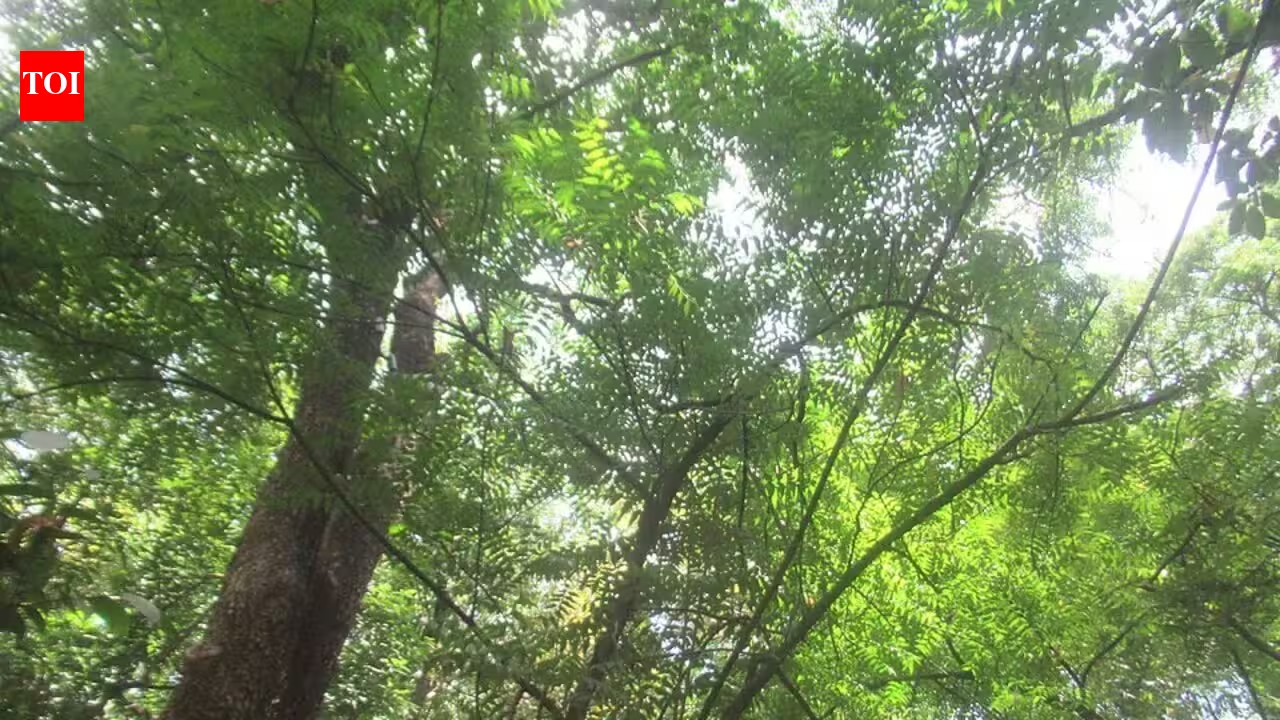
A Brazilian study reveals exotic invasive trees dominate city street plantings. Indian neem trees were found to be overwhelmingly common in many cities. Image Credit: Wikimedia CommonsPlanting trees along roads is usually considered one of the easiest measures that a city can take to combat global warming and air pollution, while also making urban areas greener. However, a recent study in Brazil found that the species chosen can matter as much as the planting itself.In a study of street trees in 10 semi-arid Brazilian cities, researchers found that 80 percent were non-native and nearly 60 percent were exotic invasive species. The study, titled “Hyperdominance of Exotic Invasive Trees in Street Afforestation of Semi-Arid Brazilian Cities”, published in the journal Biotropica, examined the composition of urban street trees and found that the Indian neem tree, Azadirachta indica, was one of the most dominant species recorded. Researchers found as many as 700 neem trees during the street survey.The survey covered 10 semi-arid cities and found that 80% of roadside trees were non-native and nearly 60% were exotic invasive species. The authors also noted that this dominance leaves urban tree populations highly dependent on a limited number of species, which could increase vulnerability to disturbances such as pest outbreaks.Why native trees matter in citiesThere are multiple advantages of having trees in an urban environment. Trees can lower temperatures, provide shade, clean the air and create habitat for wildlife. However, research suggests that simply planting trees may not be enough, as the choice of species can determine whether an urban forest supports or undermines biodiversity.According to the International Union for Conservation of Nature (IUCN), invasive alien species are a major driver of biodiversity loss because they can compete with native species, alter ecosystems and disrupt ecological relationships. Native trees usually have long-standing relationships with local wildlife. Birds, insects and other organisms may rely on native plants for food, shelter and breeding sites.When cities introduce new plant species while reducing native vegetation, the connection between urban environments and local biodiversity can weaken. As noted in research published in Biological Invasions, alien plant species make up a significant share of urban vegetation because cities often introduce ornamental plants from different parts of the world.Neem’s role as a roadside treeNeem is widely recognised for its medicinal properties, ability to survive drought conditions and usefulness in agriculture. The tree is native to the Indian subcontinent and has been introduced to many tropical and subtropical regions worldwide.Because neem grows quickly and tolerates dry climates, it has become a popular choice for roadside plantations in many countries. However, researchers have raised concerns about its widespread use in areas where it is not naturally found.The Brazilian study identified neem as one of the dominant exotic invasive species in the surveyed cities. Researchers highlighted that when a single introduced species becomes overwhelmingly common, it may reduce plant diversity and limit opportunities for native trees to establish.The concern is not that every neem tree automatically damages an ecosystem. Instead, scientists point to the risks of large-scale planting strategies that rely heavily on a limited number of non-native species. According to the Global Invasive Species Database (GISD), invasive alien species are introduced species that spread outside their natural range and negatively affect native biodiversity.Native trees support local wildlife and ecosystems more effectively than introduced species. Urban greening efforts must prioritize ecological quality and native vegetation. Image Credit: Wikimedia CommonsHow urbanisation affects native tree diversityThe researchers analysed street vegetation in 10 semi-arid Brazilian cities, examining tree composition and comparing it with the extent of urban surfaces, including roads. According to the study findings, cities with a higher proportion of urban surfaces showed lower diversity of native trees. According to the study, five of the 10 cities were classified as "antagonistic for biodiversity" because of the high proportion and dominance of non-native species.These results highlight the planning challenges that urbanisation creates for cities. Increasing the number of trees can help provide shade and reduce heat; however, their ecological importance strongly depends on the species selected. A street full of trees may look green, but it cannot function as a complete ecosystem if those trees do not provide suitable habitat for native wildlife.A challenge for cities worldwideBrazil’s case reflects a broader global discussion. Cities around the world have invested heavily in tree-planting programmes to adapt to climate change. However, experts increasingly argue that urban greening should focus on ecological quality rather than simply increasing tree numbers.Research published in Urban Forestry & Urban Greening suggests that diverse urban forests, particularly those containing native species, can provide ecological benefits and improve resilience to environmental changes. The Brazilian researchers suggested that cities should reduce dependence on exotic species, avoid planting invasive species and prioritise native vegetation wherever possible.With global warming increasing heat pressure in cities, tree planting will continue to play an important role in urban planning. However, the Brazilian study suggests that planting more trees alone may not solve all environmental challenges. The future of urban forests will depend on choosing plant species that fit local ecosystems.
Brazilian cities planted 1,381 street trees, but 80% were non-native, and neem alone made up 700, raising a quiet biodiversity warning
Planting trees along roads is usually considered one of the easiest measures that a city can take to combat global warming and air pollution, while also making urban areas greener. However, a recent study in Brazil found that the species chosen can matter as much as the planting itself.
838 words~4 min read