The nurses had warned me not to expect much. They hadn’t seen her smile in weeks, they said, sounding as though they’d already given up.
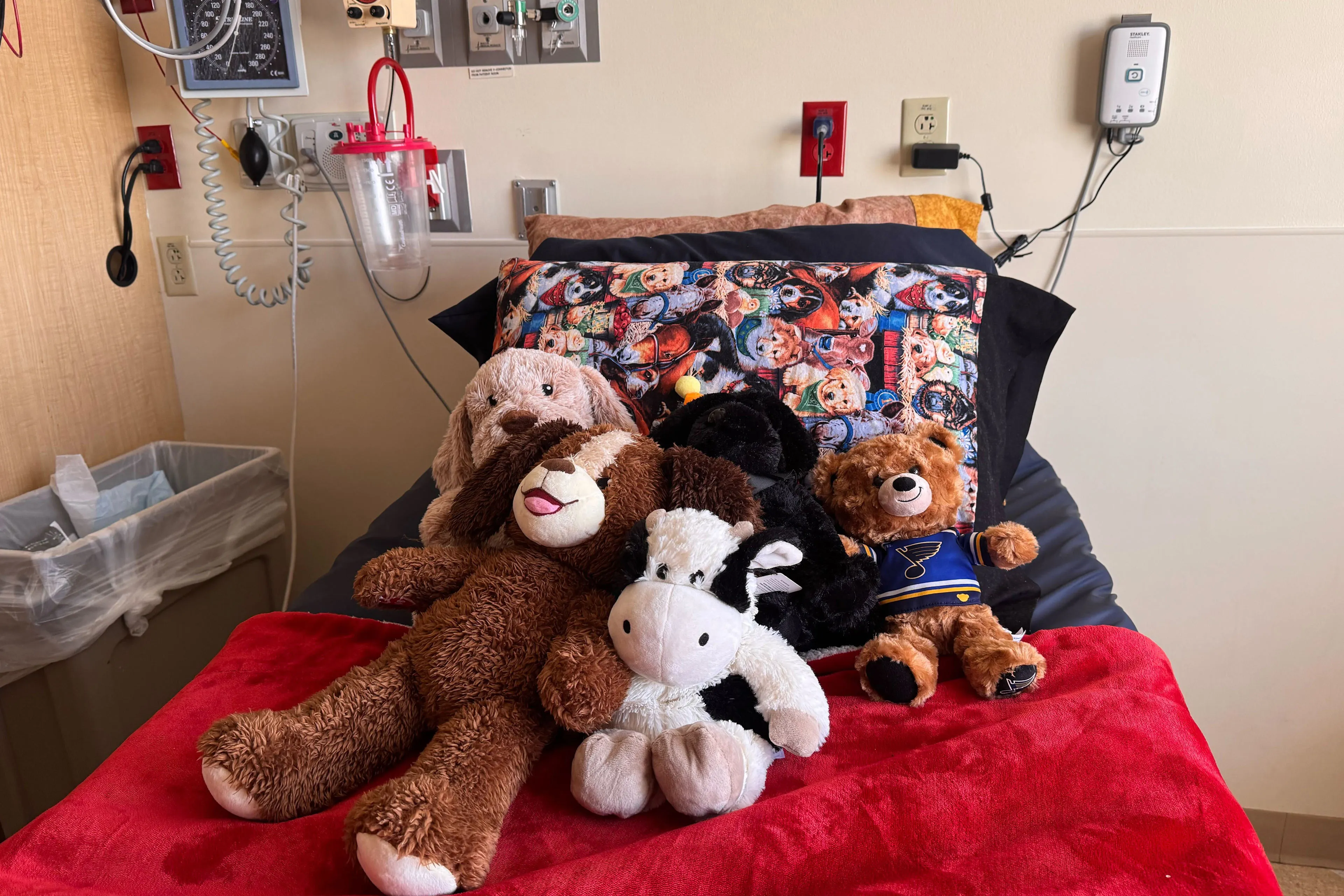
Her room was undecorated and gray, crowded with machines whose chorus of irritating beeping never ceased. I paused at the entrance, horrified by the numerous plastic tubes penetrating her tiny abdomen. My eyes moved from her stomach to her hands, clenched around a stuffed unicorn, her sole companion on a Friday night.
The patient was nonverbal, with severe developmental delays. Only a few years old, she had been hospitalized for months awaiting a lifesaving liver transplant. She spent most of her days alone in bed, minimally responsive, her glassy eyes fixed on the animated figures flickering across the television screen. Taking a deep breath, I carefully weaved my way through the intricate web of wiring to the edge of her bed, contemplating how I might lift her spirits.
During my time as a college volunteer on the pediatric ward, this scene was routine, but I never quite became accustomed to it. Children with prolonged hospitalizations often spend lengthy stretches of time alone, with one study finding that one-third of children are unaccompanied for most or all of a 24-hour period, left to endure the stressors of hospitalization without a familiar face.