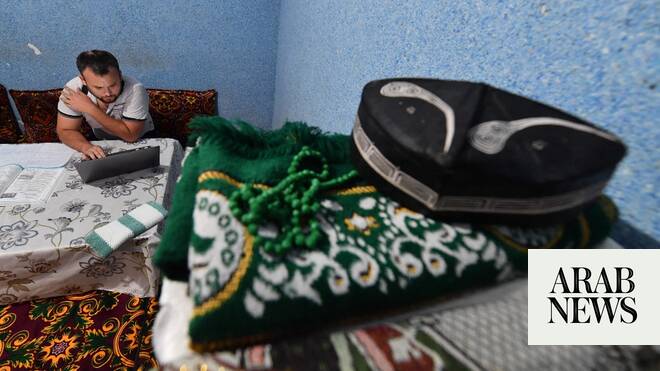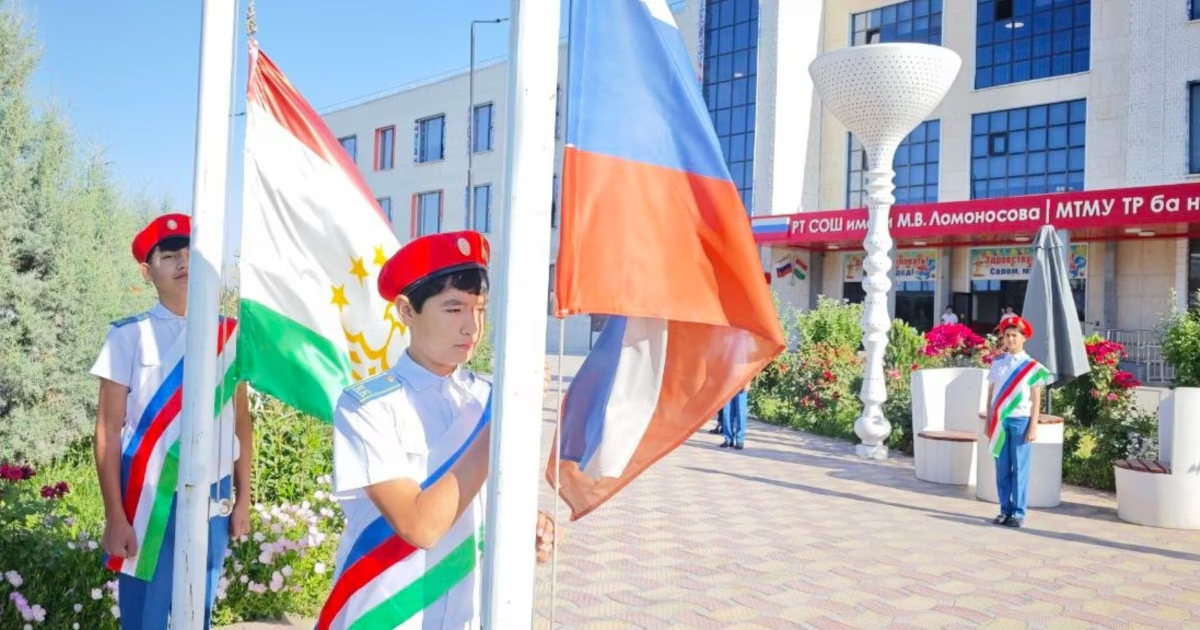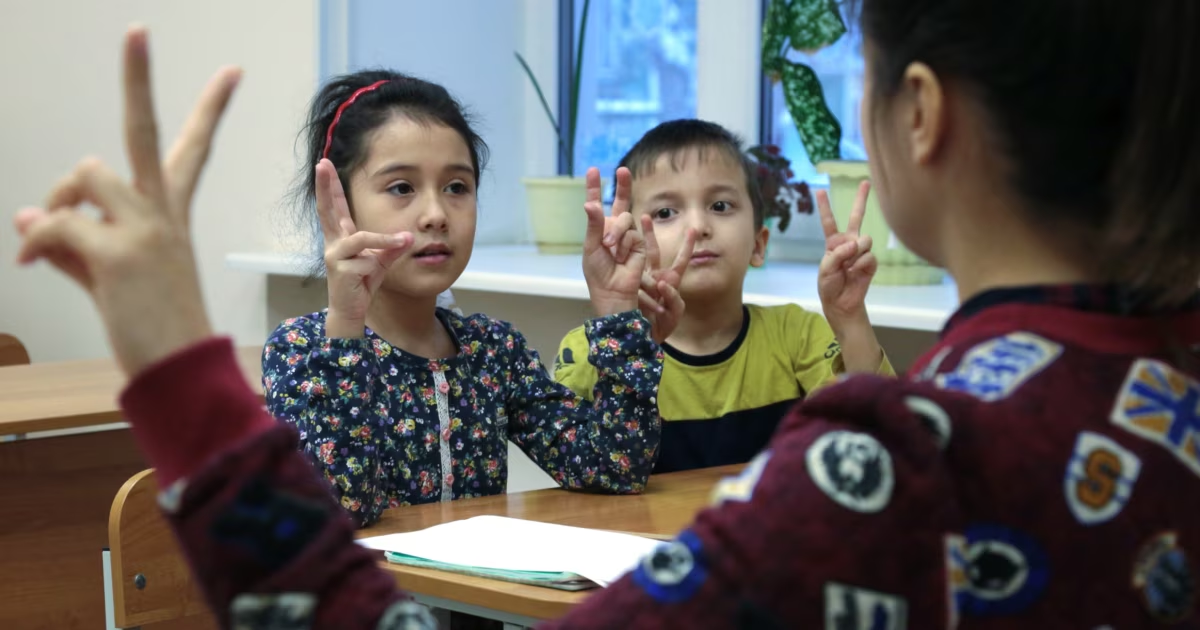
When Rahmat leaves for Russia in August, he will take more than his luggage with him.The worker from Tajikistan will also bring his two children -- aged 7 and 9 -- who have spent the past few months preparing for the new school year in Russia."My wife hired a teacher from our village to tutor our children, and the kids have also been watching Russian TV to improve their language skills before the move," said Rahmat, who did not provide his full name.To enroll in a Russian school, Rahmat's children must pass a rigorous language test."I have permanent residency in Russia and want to bring my family to live with me. But I'm worried that if my kids fail the exam, I will have to take them back home [to Tajikistan] to live with their grandparents," Rahmat told RFE/RL.Rahmat's concerns reflect a wider challenge facing some of the millions of Central Asians who work in Russia.As the new academic year begins on September 1, parents in the region's five former Soviet republics are weighing whether to bring their children to Russia or leave them behind, fearing they may not be able to enroll under the country's stricter language requirements.
In April 2025, Russia imposed new tougher rules on admitting the children of migrants to Russian schools, including passing a mandatory language test and proving their legal status.The impact was immediate. In the 2025-2026 academic year, the number of foreign children studying in Russian schools fell by about 44,000, according to data from Russia's Education Ministry.Children from Central Asia make up the largest share of foreign students in Russian schools. In the past academic year, about 48,000 students hailed from Tajikistan, 22,000 from Uzbekistan, and 19,000 from Kyrgyzstan.