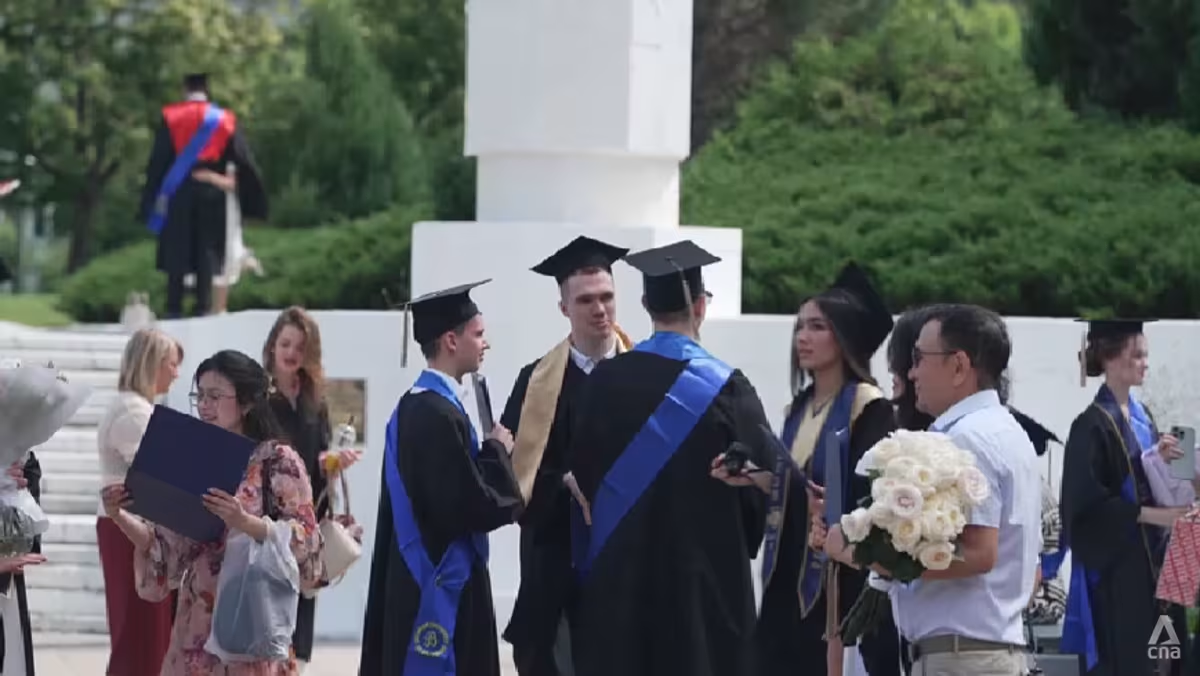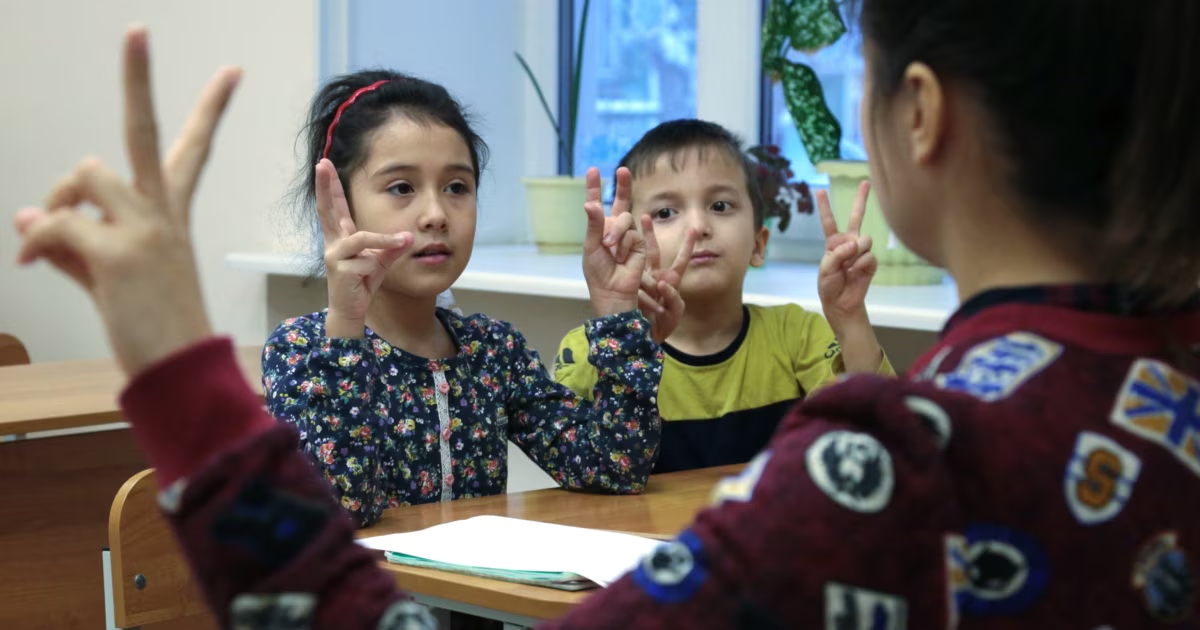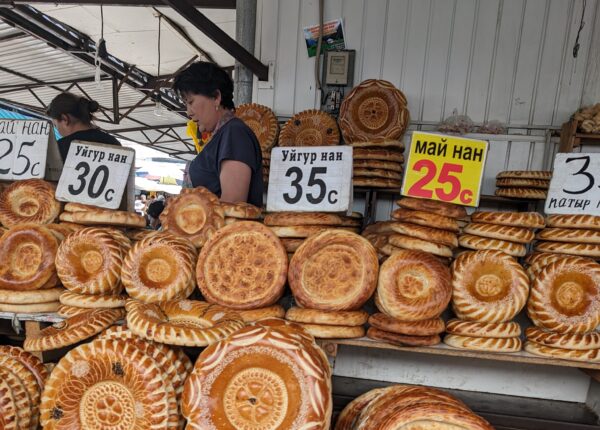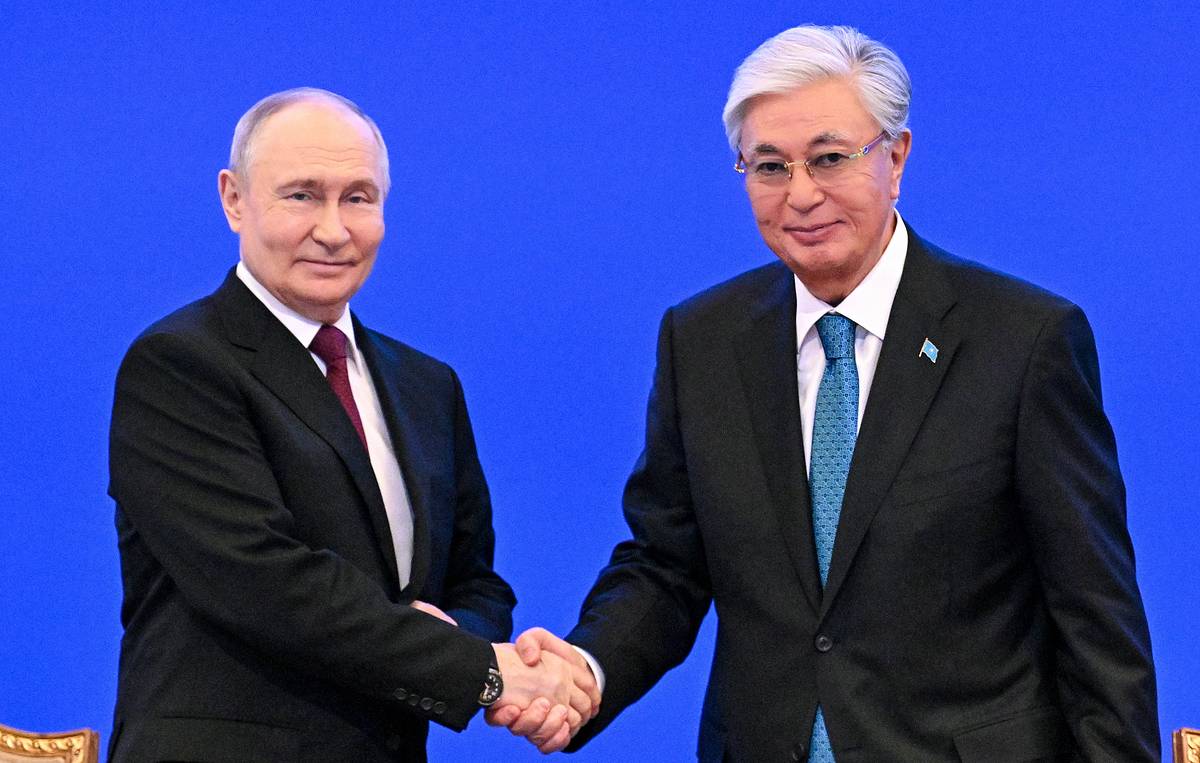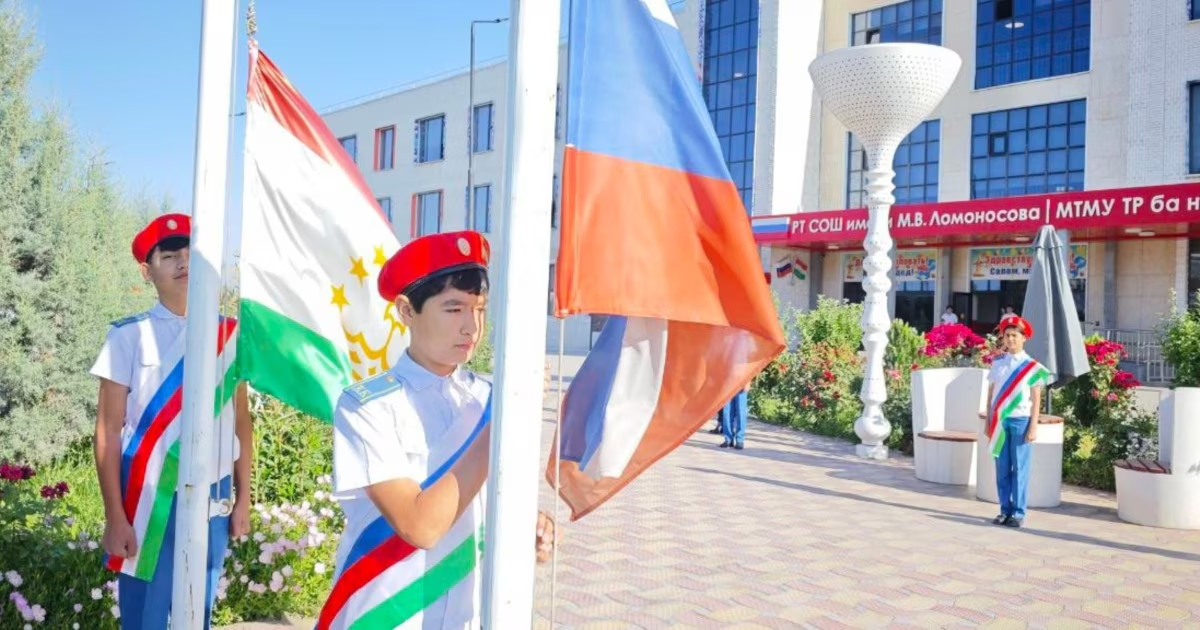
When a new Russian-language school opened its doors in Tajikistan's southern city of Bokhtar in 2022, thousands of locals flocked to enroll.Named after the 18th-century Russian scientist Mikhail Lomonosov, it was one of five Russia-funded schools that popped up across the impoverished Central Asia country that year.Part of a $150 million Russian state project, the gated school in Bokhtar stands out among other buildings in the area. A modern three-story structure, the school has round-the-clock uniformed security guards and tall flagpoles flying Russian and Tajik colors.Moscow's funding of schools in Tajikistan and across Central Asia is widely seen as an effort to maintain its longstanding influence in a region where China has made inroads and Western interest has intensified.Among the over 1,000 students enrolled at the Russian-language school in Bokhtar is the eldest daughter of Mukhtor, a local construction worker. The 42-year-old, who also hopes to enroll his son, said he is not focused on politics."What matters to me is my children's future," Mukhtor, who requested that only his first name be used, told RFE/RL. "This school opens doors to universities in Russia and possibly to better jobs there."The five Russian-language schools opened in Tajikistan in 2022 educate a total of around 6,000 students. The schools follow Russian educational standards and teach primarily in Russian. The curriculum as well as the schools' ceremonies and symbols emphasize Russia's language and culture.'Secure Long-Term Influence'Moscow is spending hundreds of millions of dollars to expand Russian-language education across Central Asia, building new schools, funding universities, and opening cultural centers in a region where its dominance is no longer assured.
Russia Bets On Education To Sustain Influence In Central Asia
Russia is investing hundreds of millions of dollars to build schools and universities across Central Asia, reinforcing the use of the Russian language at a time when younger generations in the region are increasingly exposed to Western and Chinese influences.
772 words~4 min read