(Image credit: Future/Edited by Adobe AI)
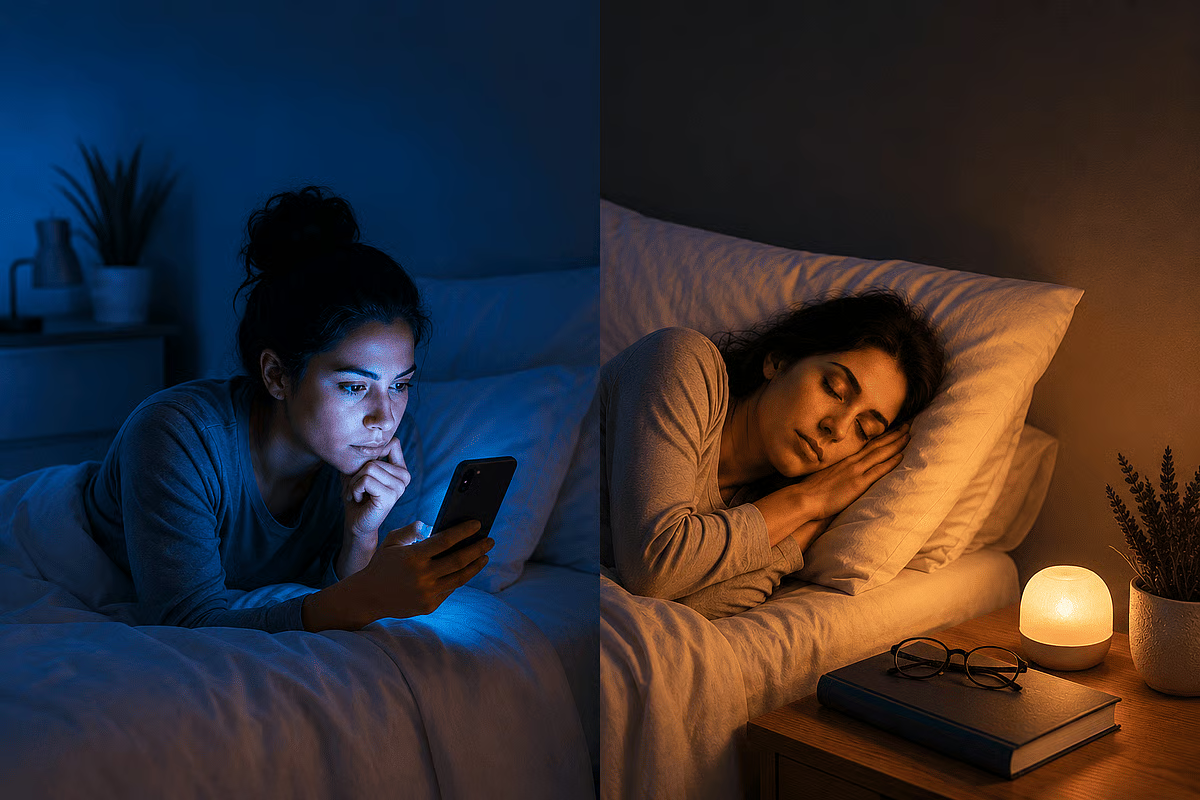
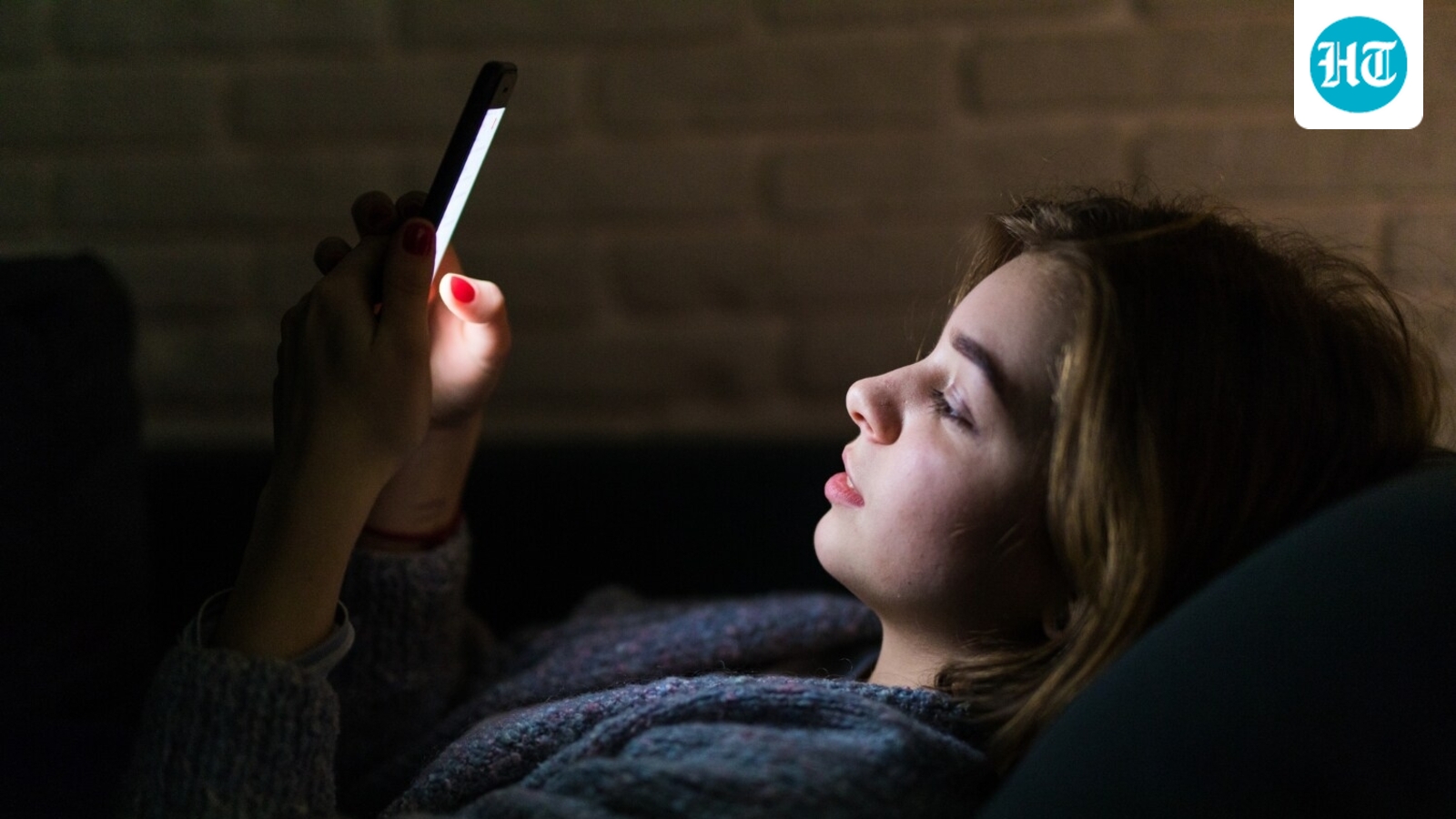
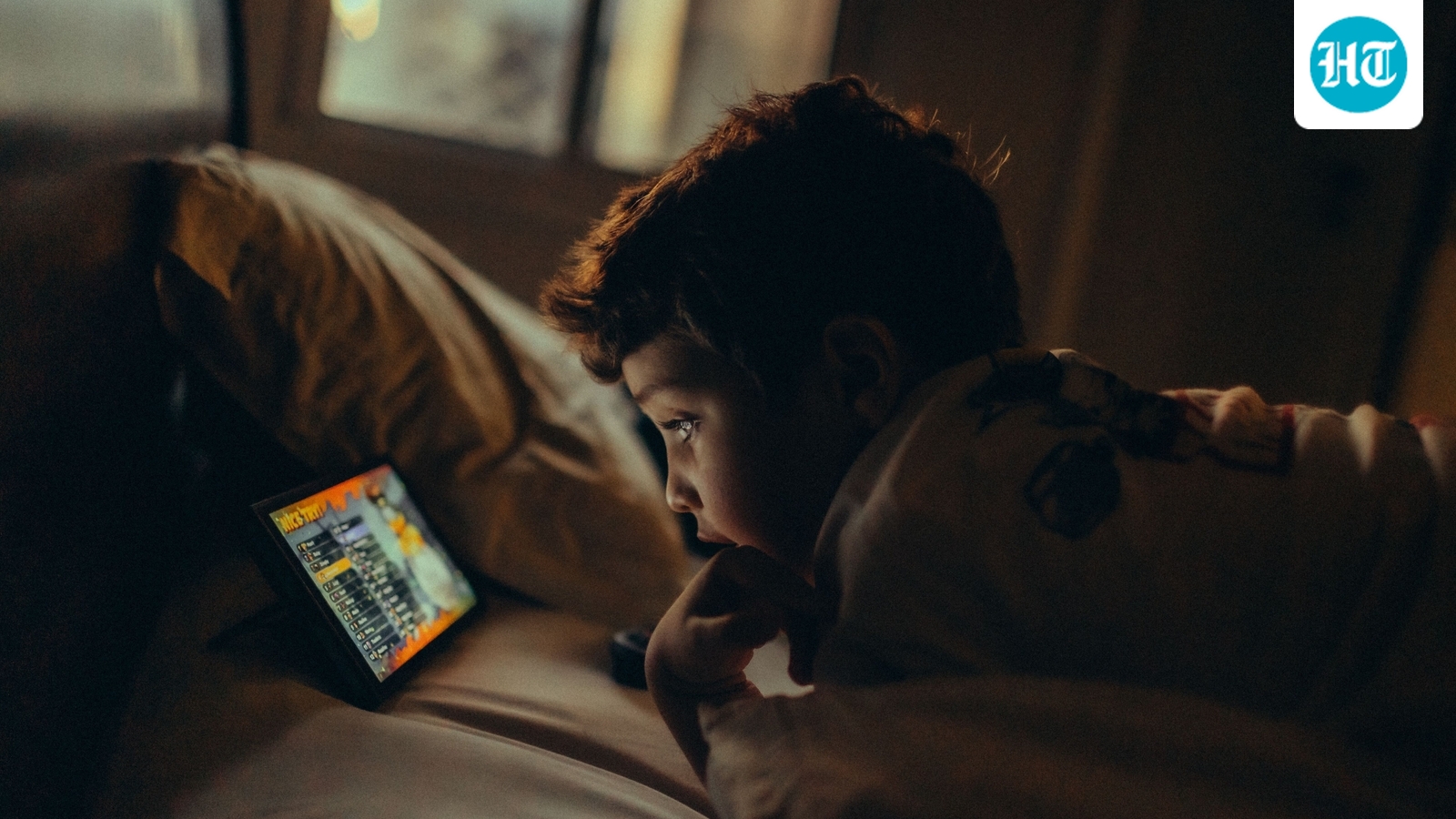
Like most people, my evening routine used to resemble scrolling on my phone in bed at the expense of getting the quality sleep I need. Tired, wired and averaging six hours of sleep a night, I needed to take drastic action. I felt as though modern life was working against me, and the blue glare from my screens was keeping me artificially stimulated long after it was time for bed. Caffeine and sugar propelled me through the day but left we wide awake at 3 a.m.So, inspired by the Amish and their healthy relationship with their circadian rhythm (our body's 24 hour internal clock), I decided to rise and sleep with the sun in an attempt to fix my poor sleep habits.I expected that I might get more sleep, but what happened to my focus and energy levels caught me completely off guard. Here's my story...Key takeaways: At a glance Our circadian rhythm is our body's internal clock, primarily regulating our sleep-wake cycle.The rising and setting of the sun acts as a circadian cue, triggering the production of the key sleep hormones we need to fall asleep and wake up.For me, modern life and artificial light has resulted in a disconnect between the solar day and my circadian rhythm. This has led to poor sleep.To get more sleep and improve my energy levels, I took inspiration from the Amish to sleep and rise with the sun for 14 days.The result? I slept longer after just night one. After two weeks, my cognitive fog lifted and my focus returned.What is your circadian rhythm and what role does in play in sleep?