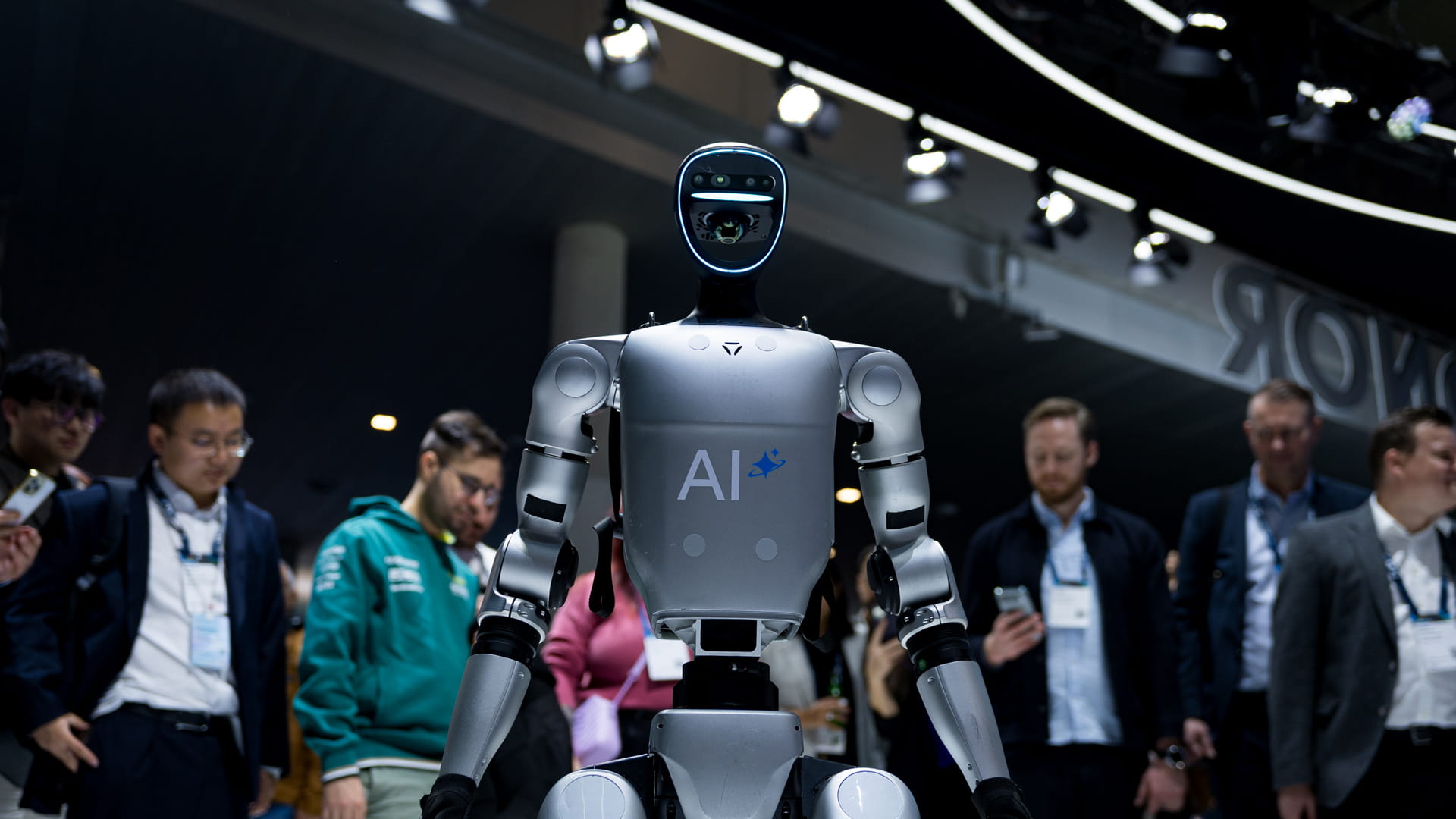
Robotics may still be two to five years away from a “GPT moment” comparable with ChatGPT’s breakthrough in generative artificial intelligence, a senior executive at one of the leading Chinese humanoid makers said on July 22.
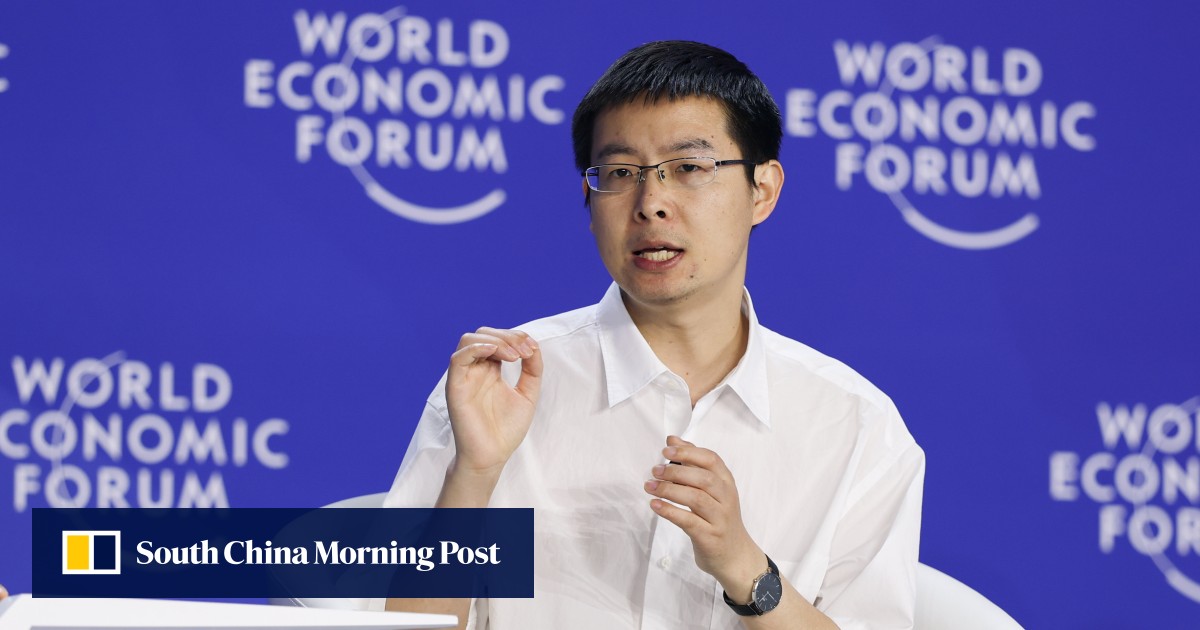
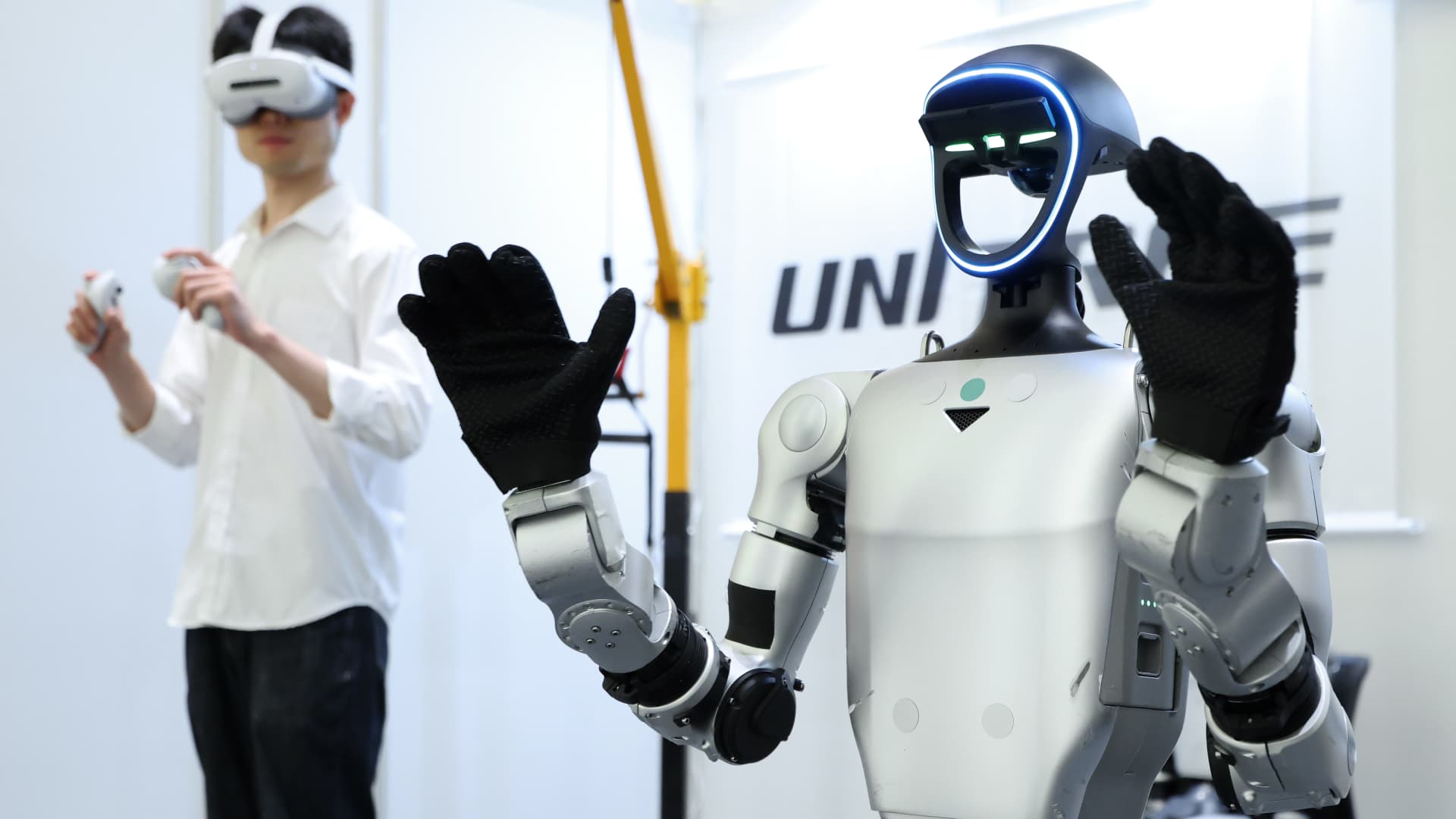
Irving Chen, director for the Asia Pacific and other areas at Unitree Robotics, said large language models (LLMs) had demonstrated their abilities in software but remained poorly connected to robots and machines that need to operate in the physical world.
“The LLM is powerful in the virtual world,” Chen told Nikkei‘s Global Digital Summit 2026 in Tokyo, but it had yet to show the same capability when controlling hardware, which needs to process more variables to operate in different environments.
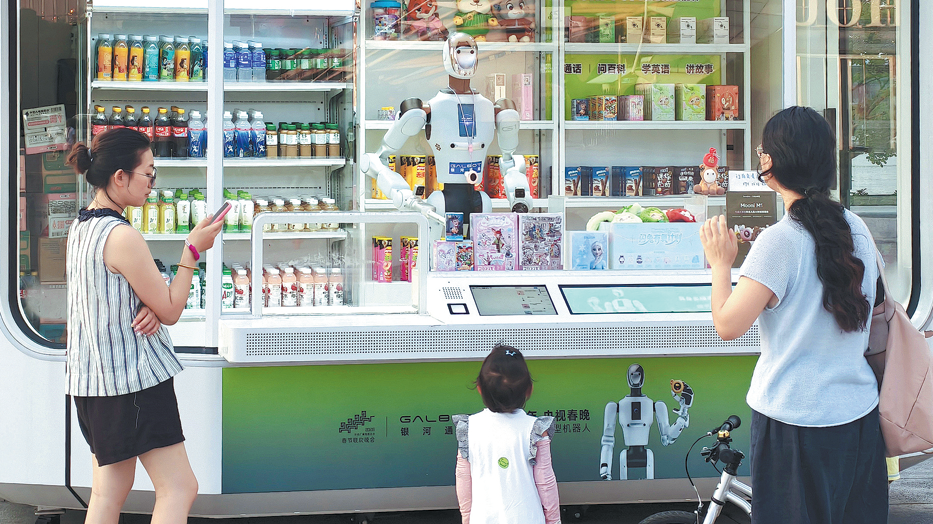
Chen’s comments highlight the challenges facing the booming humanoid robotics industry. Robots are expected to bring autonomous physical AI into factories, but most remain confined to entertainment and demonstrations based on preset movements.
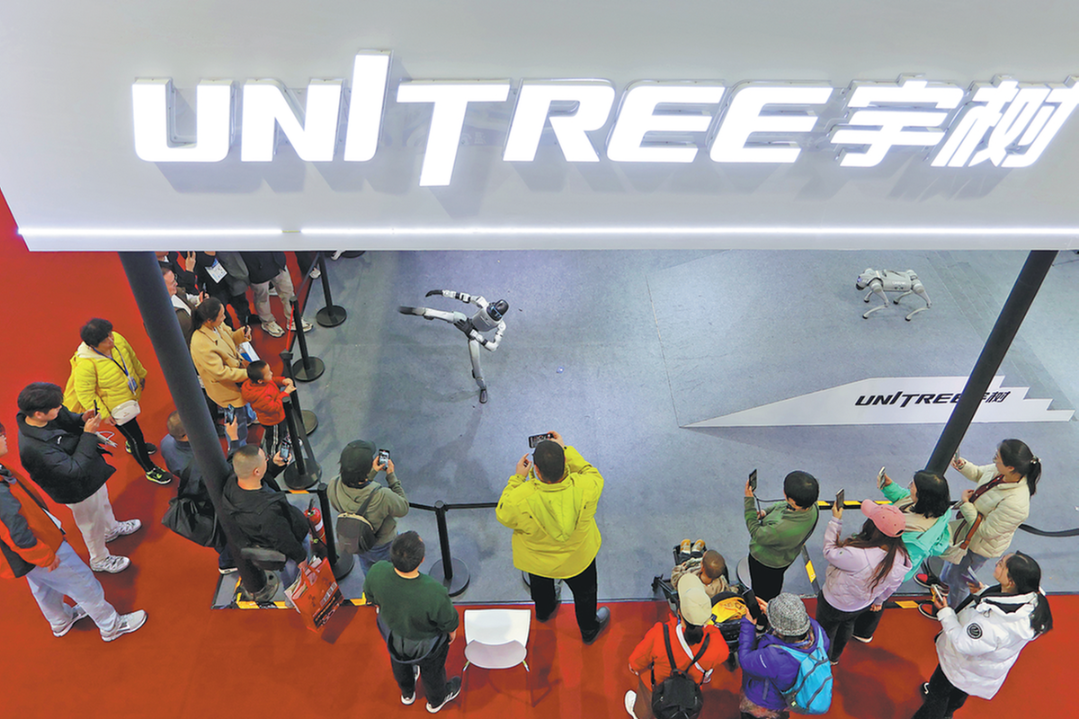
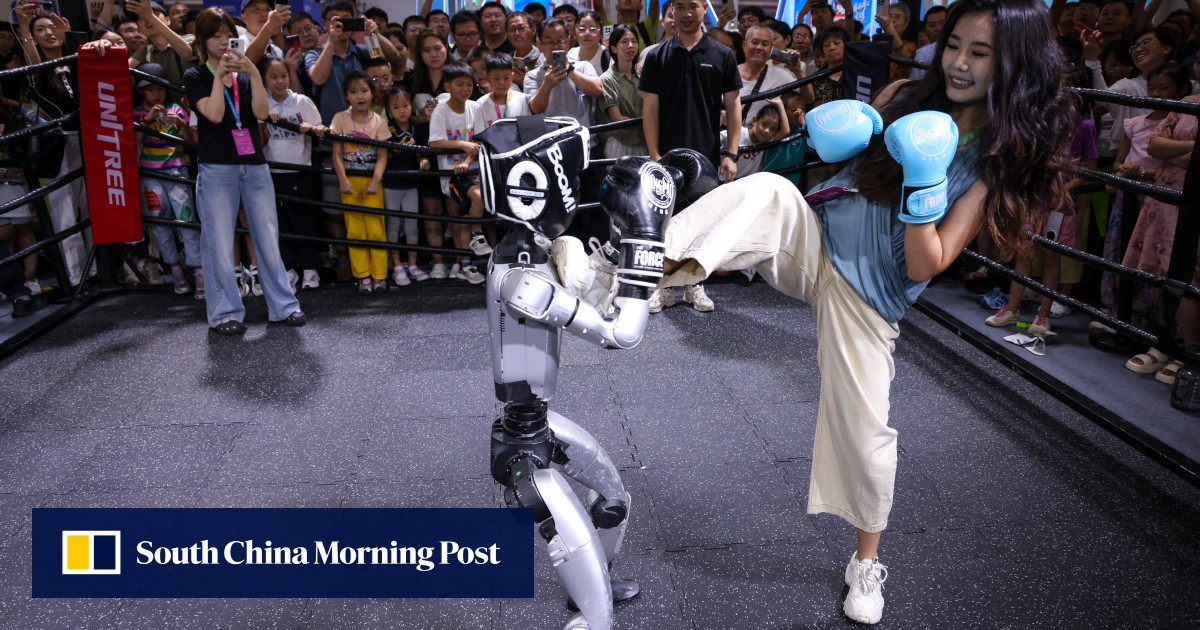
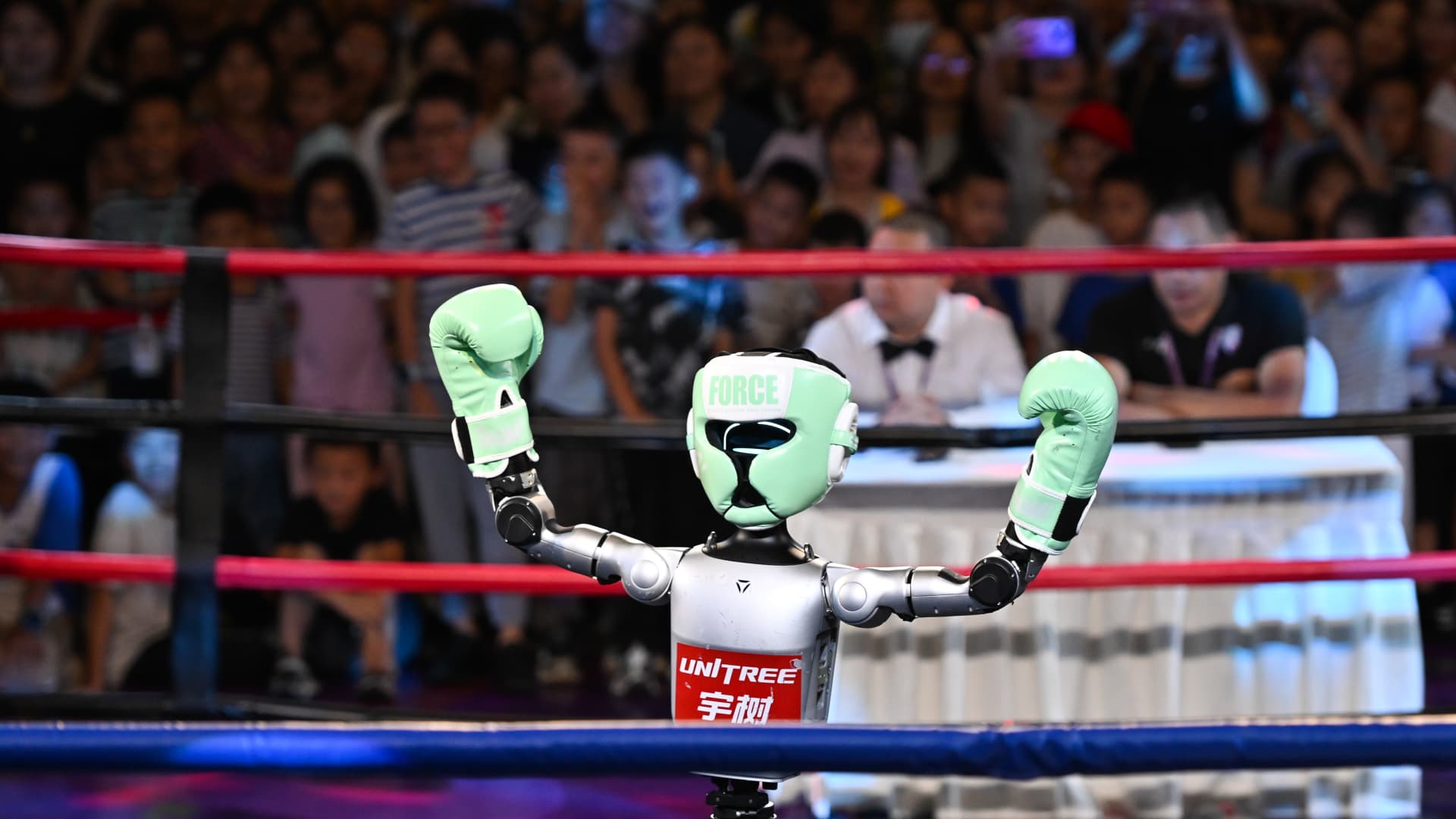
The Hangzhou-based startup has become one of the most high-profile companies in the humanoid robotics space, with its viral synchronized dances and martial arts displays in China. Chen said the performances show that the hardware is becoming reliable and scalable, but has not yet demonstrated intelligence suited to productive work.