Viktor Wang has a favourite piece of history.
In 2019, OpenAI’s GPT-2 showed that a machine trained on nothing but internet text could write like a person. It was crude, but it was a hinge. Wang thinks robots are about to have the same moment. He is raising money to be there when they do.
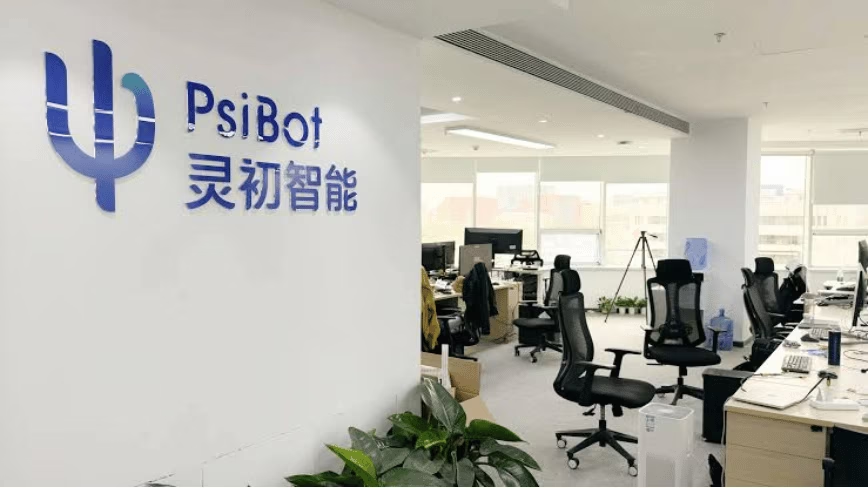
His startup, Psibot, also known as Lingchu Intelligence, is close to raising nearly $100m at a $1.48bn valuation, Bloomberg reported. Chery, the carmaker, leads the round, alongside Lens Technology, a sensor maker that supplies Apple and Tesla. Founded only in 2024, Psibot has now raised about $300m.
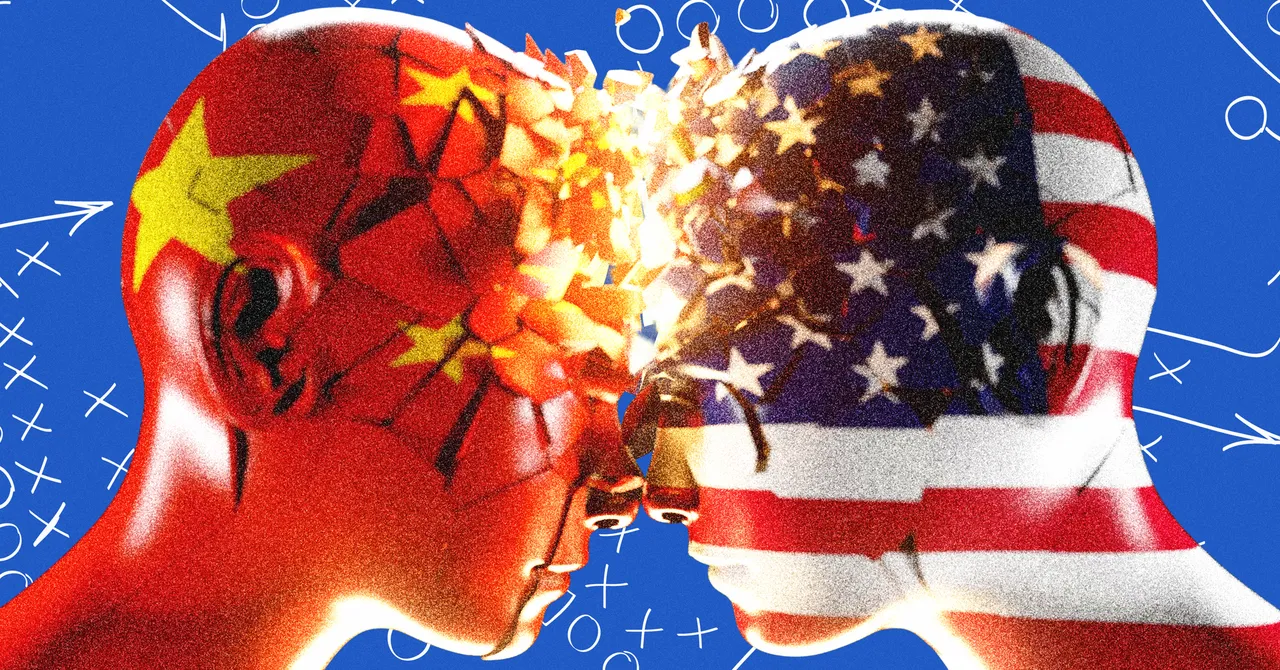
The company works on world models. This is AI that helps robots and self-driving cars perceive and respond to the physical world, not just answer questions. “World models aim to achieve something more consequential than the large language models and chatbots,” Wang said. It is a crowded field, and a central front in the US-China AI race.
The founders are the tell. Three people built Psibot: a Peking University dean, an Alibaba and Tencent robotics veteran, and a Stanford scholar. That scholar studied under Fei-Fei Li, who helped start modern computer vision. This is not a fringe bet.