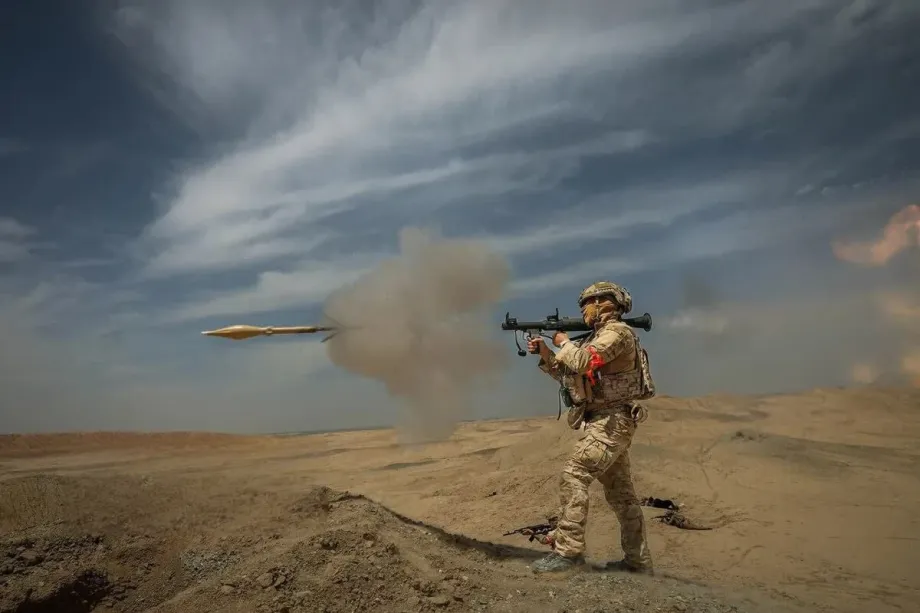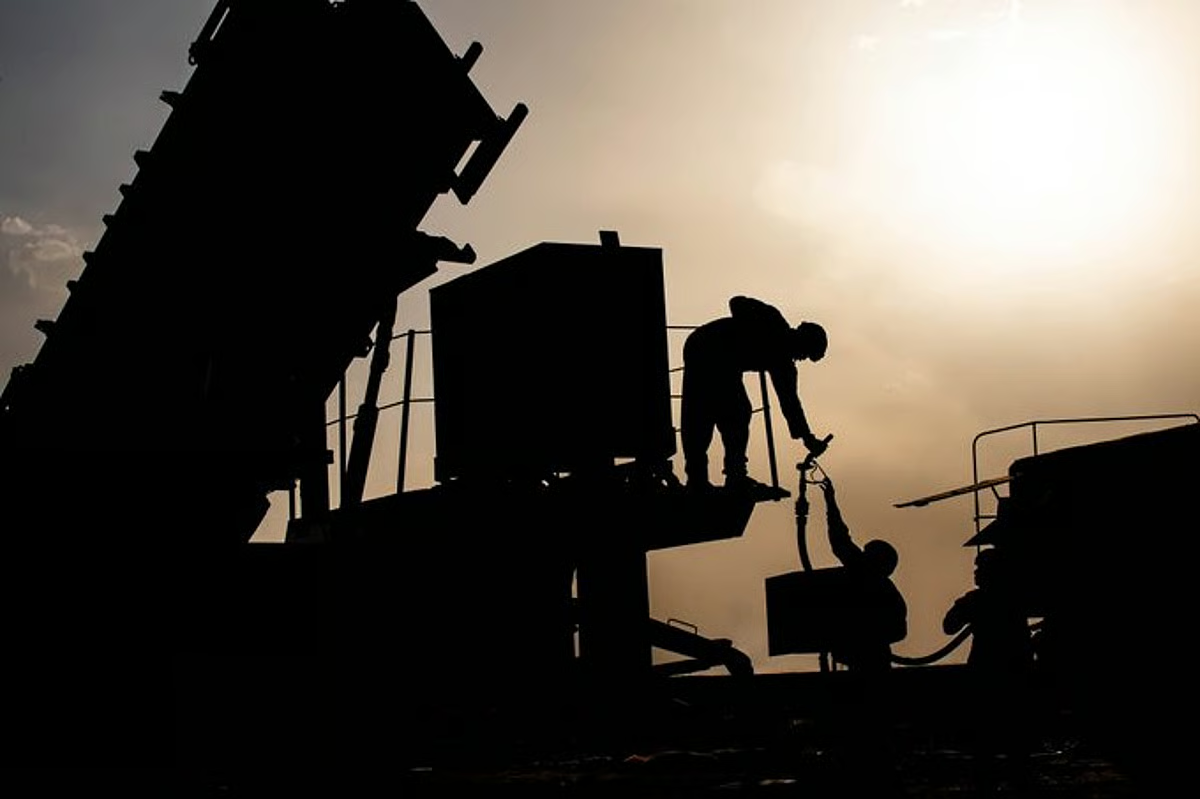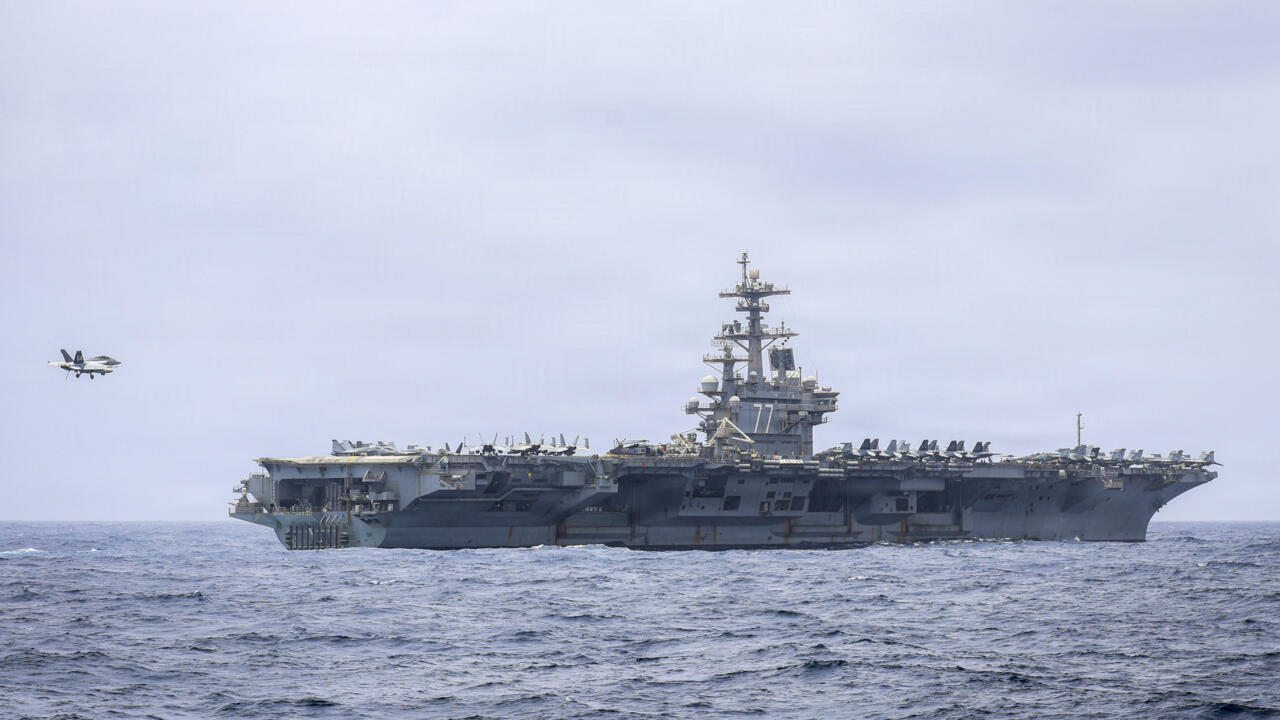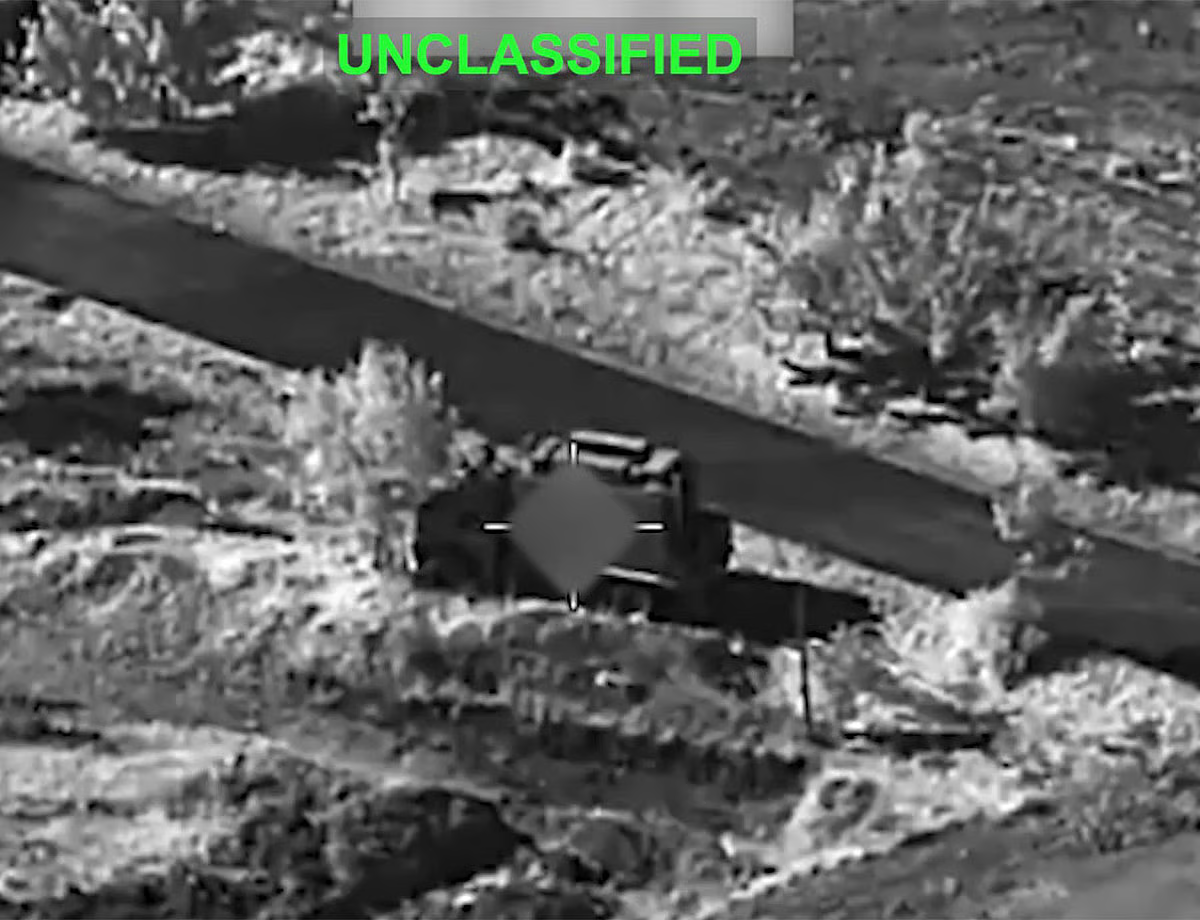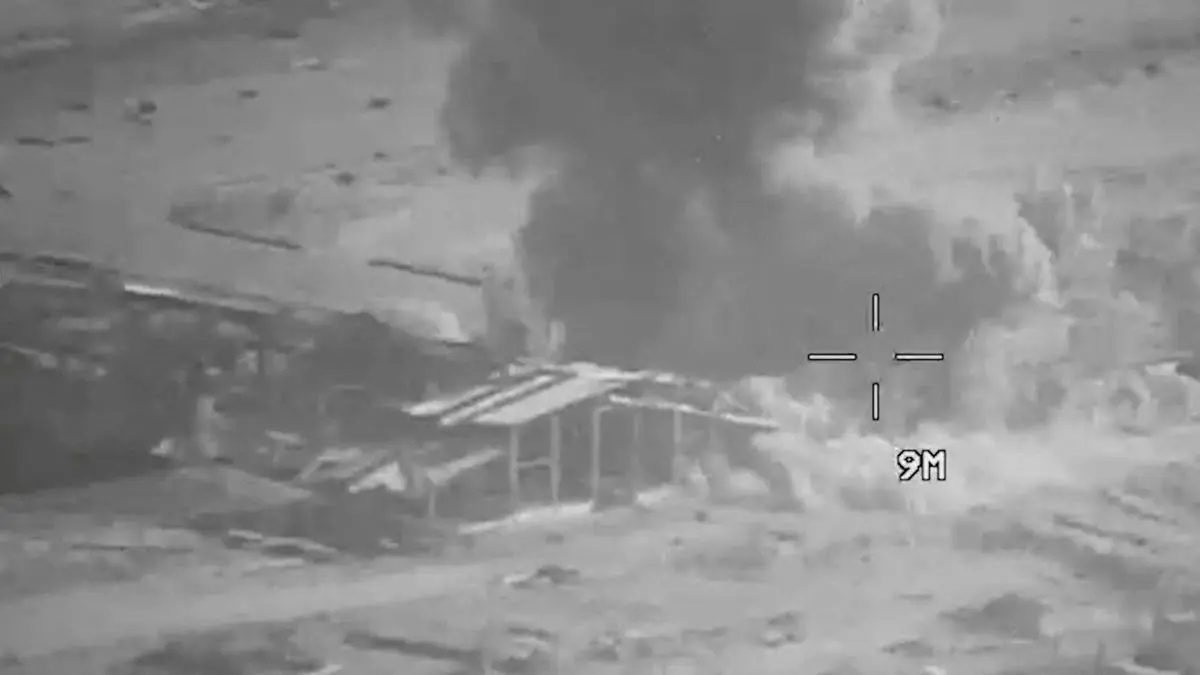
FILE PHOTO: US Central Command said all incoming missiles were successfully intercepted, while US and Saudi forces also carried out strikes against Iran-backed militants in Iraq following multiple drone attacks on American forces.
| Photo Credit:
U.S. Central Command
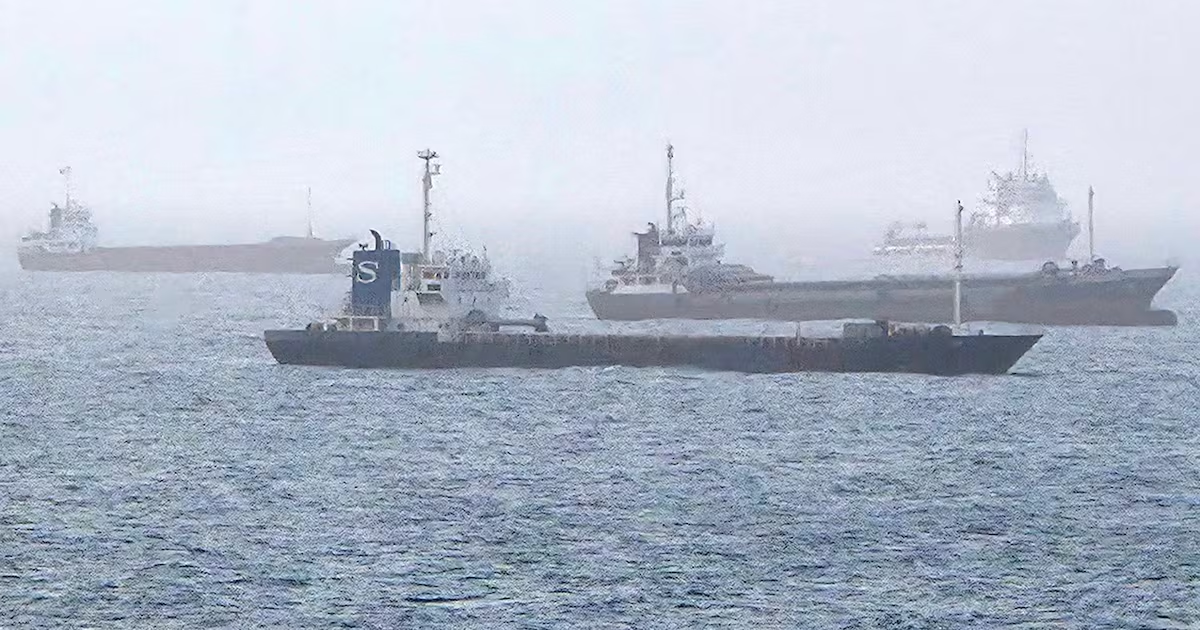
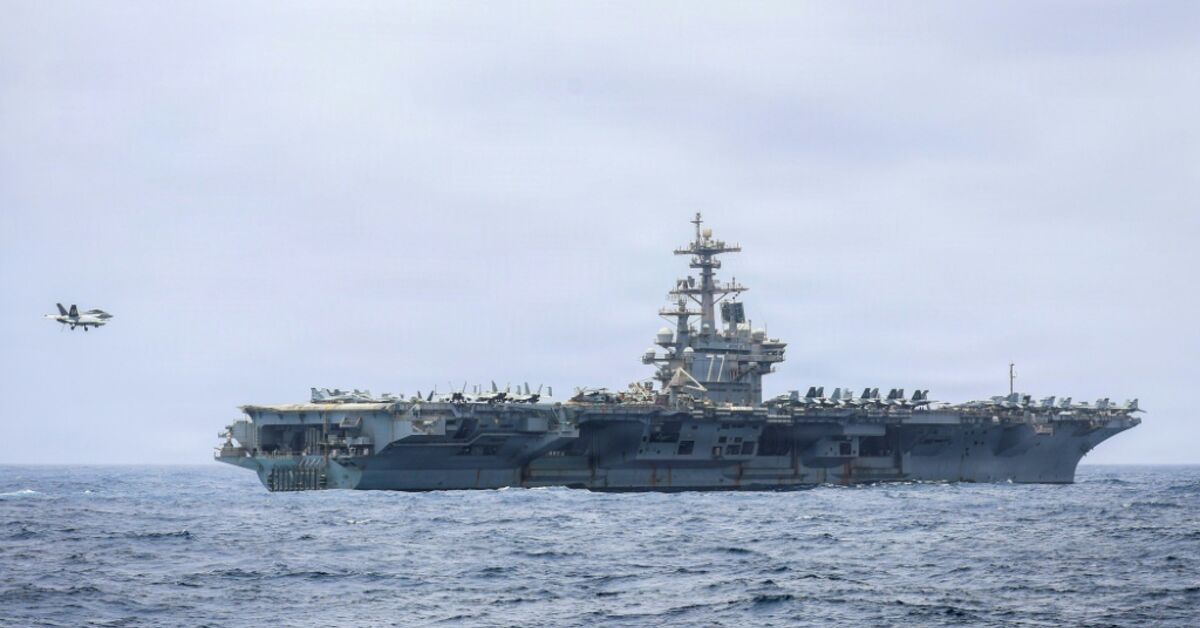
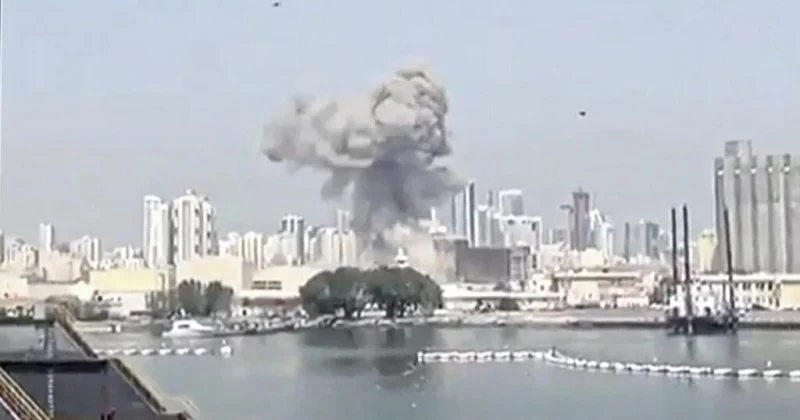
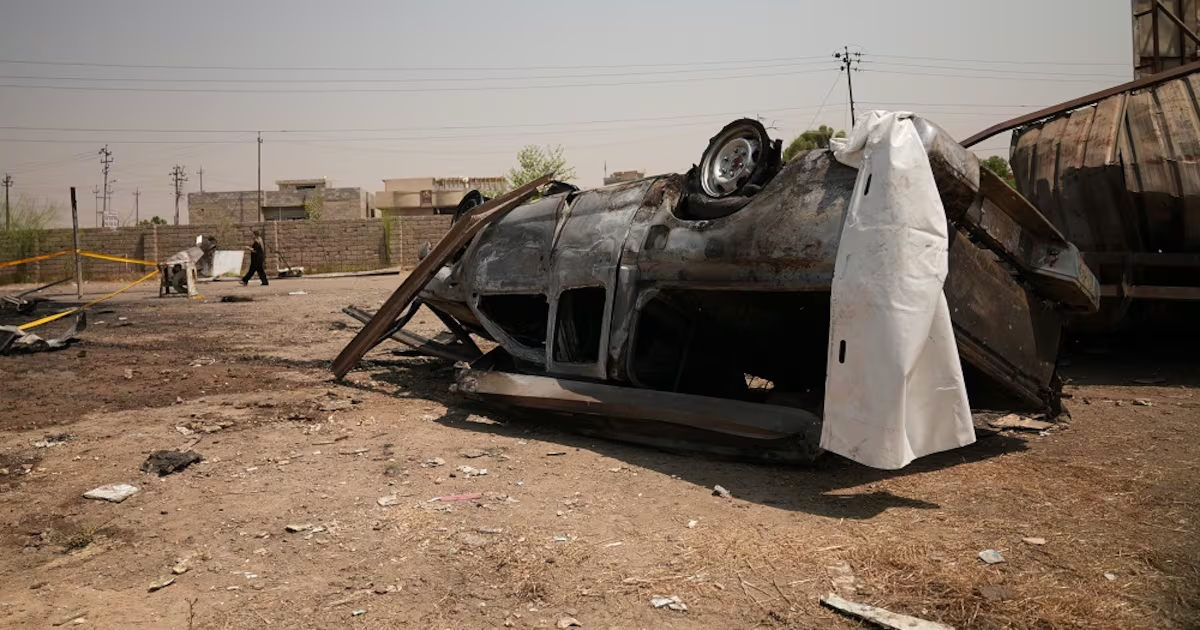
The US said it intercepted an Iranian attack on military bases, ending a dayslong pause in fighting and increasing the risk of a return to full-blown war in the Middle East.“Islamic Revolutionary Guard Corps forces launched multiple ballistic missiles from Iran in an attempted surprise attack on US forces based in the Middle East,” US Central Command said Tuesday evening. “All Iranian missiles were successfully intercepted. US forces remain vigilant and at a high state of readiness.”The regional command also said US and Saudi forces conducted military strikes on Iran-backed militants in Iraq, after Tehran’s Islamic Revolutionary Guard Corps directed 30 drone attacks against US forces in the last 72 hours. The Iranian-linked attacks were not successful, Centcom said.Crude oil jumped and US stock-index futures dipped after the latest attack, which followed days of relative calm that saw the US and Iran halt what had been intensifying tit-for-tat strikes. West Texas Intermediate rose as much as 5% to top $83 a barrel, paring some of the 14% drop over the past three sessions. Brent opened 3.3% higher.Trump signals diplomacy despite renewed tensionsThe Iranian attack raised the prospect of renewed escalation, despite President Donald Trump’s repeated assurances that diplomacy with Tehran was making progress. Trump has been seeking to wind down the conflict and reopen the Strait of Hormuz, though Iran has denied it is engaged in active talks with Washington.“I think we have a very strong position right now,” Trump told Fox News earlier Tuesday. He reiterated his threat to bomb Iran’s major bridges if no agreement can be reached, but added “if I can avoid doing that, I’d like to do that.”Trump welcomed Israeli Prime Minister Benjamin Netanyahu to the White House for talks as the war has strained ties between two normally staunch allies. Netanyahu was in Washington for the funeral of Senator Lindsey Graham, a longtime Iran hawk.Netanyahu has pressed the US to ensure Iran never acquires nuclear weapons. Trump, while insisting he shares that goal, has focused more on securing a deal under which Tehran would ease its chokehold on the Strait of Hormuz and allow vessels to transit the crucial waterway more easily.“It was one of the best conversations I’ve had,” Netanyahu said in a video posted on Instagram after the meeting, describing “full cooperation” and agreement on preventing Iran from obtaining a nuclear weapon.Other issues have also left the two leaders navigating a complicated relationship, including a US nuclear deal with Saudi Arabia and the potential sale of F-35 fighter jets to Turkey — both of which have spurred Israeli worries of an arms race in the region.Israel “fully supports whatever path the president chooses to take,” spokesman Doron Spielman told Bloomberg. “It can either be taken care of the easy way — through negotiations, which everyone would prefer — or the hard way.”A second Israeli official said the prospect of the US selling F-35s to Turkey did not come up in the meeting. Neither did the future of Iran’s Pickaxe Mountain, which the US and Israel suspect is a nuclear site and Trump has threatened to target, Tzipi Hotovely told reporters.Trump also did not pressure Netanyahu to speed up operations in Gaza or withdraw troops from Lebanon, Hotovely said.Strait of Hormuz remains at the centre of negotiationsThe Strait of Hormuz has been at the center of recent hostilities after an interim peace deal collapsed.Negotiators from Iran and Oman are working on an agreement to restart substantial shipping through the strait, a move that would enable Iran and the US to resume formal negotiations about Tehran’s nuclear program and permanently end their war, according to people familiar with the situation, asking not to be identified speaking on sensitive matters.Omani and Iranian negotiators met in Tehran over the weekend and discussions are ongoing, the people said. Omani officials hope to make an announcement signaling progress in the next few days, the people said. Tehran isn’t satisfied with Oman’s offer for shared control over the strait, an Iranian official told state television.Shipping risks and fuel concerns persistGasoline has spiked during the height of summer driving season, souring Americans on the already unpopular war effort — and Trump’s Republican Party — ahead of November’s midterm elections that will determine control of Congress.Despite the recent lull in attacks, few vessels were moving through the Strait of Hormuz — at least with their transponders turned on — as Iran continued to threaten ships attempting to transit without its permission. The US has reinstated its naval blockade to prevent ships from docking in Iranian ports, and a resumption of hostilities would further raise risks for shippers in the region.More stories like this are available on bloomberg.comPublished on July 29, 2026