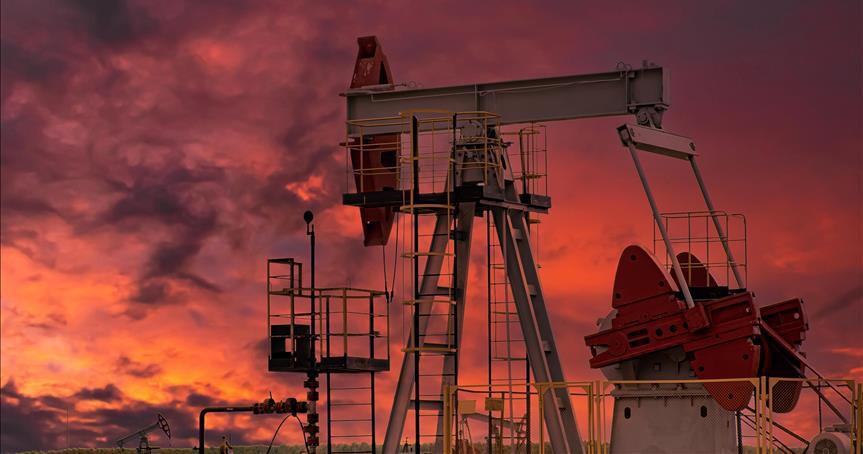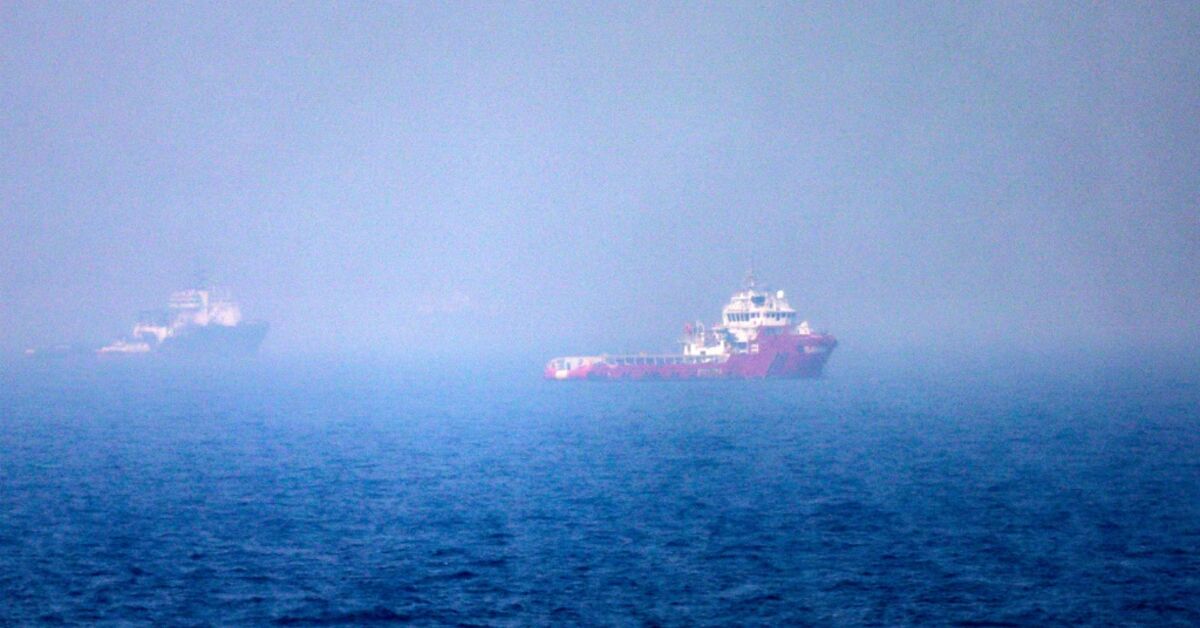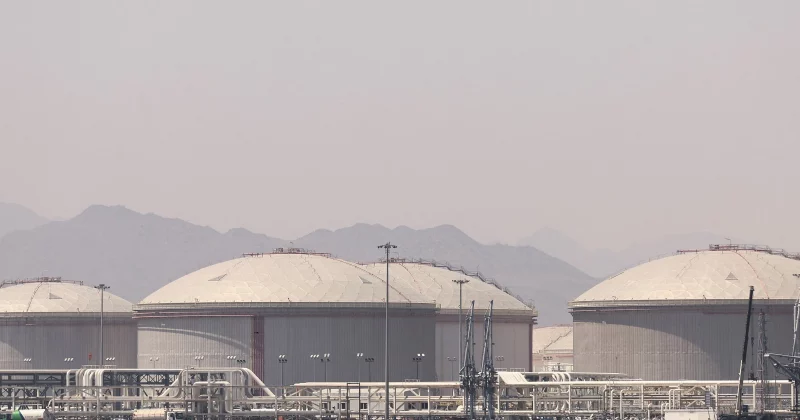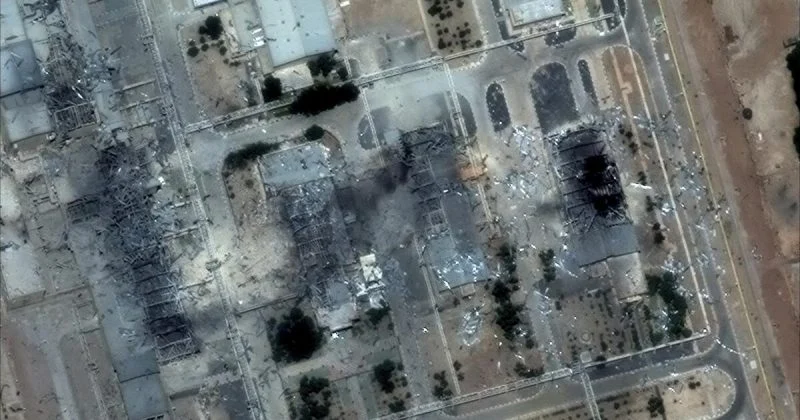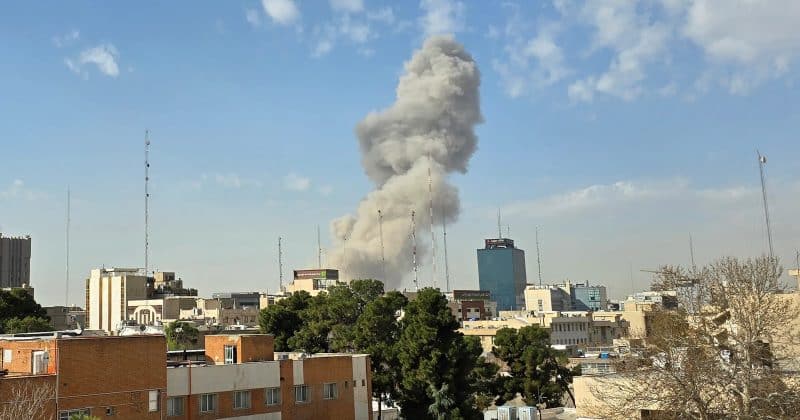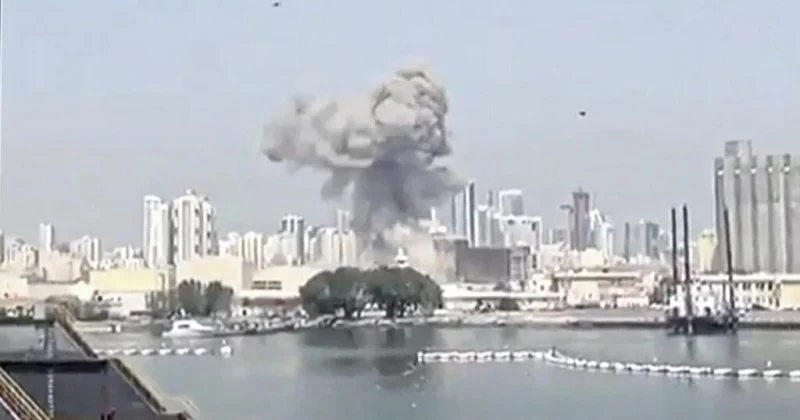
US forces launched strikes against Iranian missile sites and boats attempting to lay mines in waters off southern Iran on May 26, marking a sharp escalation in hostilities. West Texas Intermediate crude surged above $100 per barrel on fears that the Strait of Hormuz could face shipping disruptions. Roughly a fifth of the world’s petroleum passes through that narrow waterway.
What happened and why it matters
The Pentagon characterized the strikes as “self-defense” actions, targeting both fixed missile installations and Iranian naval vessels actively deploying mines.
The broader conflict traces back to February 28, when a military operation resulted in the death of Iranian Supreme Leader Ali Khamenei. A ceasefire was established around April 8, offering a brief window of calm that markets eagerly priced in. Iran had openly threatened retaliation against American forces in the region, and the mine-laying operations suggest those threats were not rhetorical. Diplomatic talks in Qatar aimed at broader de-escalation are still technically ongoing.
Markets feel the tremors