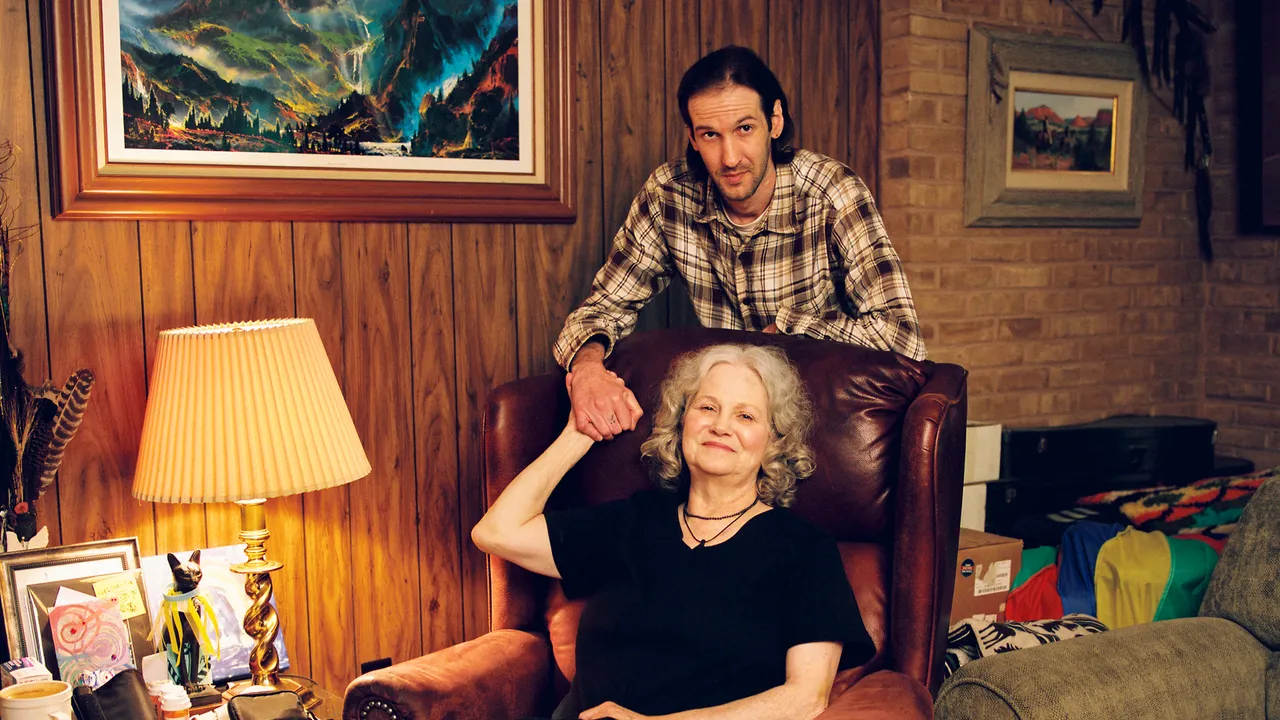
For the past decade, in my reporting, I’ve focussed on the gun industry and the dramatic ways in which widespread, lightly regulated access to firearms has shaped life in every corner of America. One subject of that coverage, of course, has been the National Rifle Association.Before the N.R.A. was diminished by its own financial corruption, the organization had built one of the most powerful cultural movements in modern American history. It marketed a kind of gun-based empowerment that appealed to many working-class white men, whose status began to wane during the economic and social disruption of the late twentieth century. These men were drawn to the gun-rights movement by a central message: they were being forced to the country’s margins by Democratic élites, and they had to fight back.But behind the N.R.A.’s potent messaging, which helped drive firearms sales, there was a devastating reality. White men, who dominate the ranks of gun owners in the United States, also account for some eighty per cent of gun suicides. Researchers drew a link between the two data points; the N.R.A. insisted to the public, and to its followers, that it did not exist.This denial has long stayed with me, calling to mind the claims made by opioid manufacturers, who assured customers that their products, when used correctly, did not pose risks. That claim unravelled in the face of years of litigation, and I wondered if anyone who had lost a loved one to gun suicide had sought to take the N.R.A. to court. By chance, I came across an obscure legal filing, which opened the door to the unbelievable, heartbreaking saga of a woman named Stormy Morse.Morse lost two partners to gun suicide: her husband, in 1991, and her partner Lewis Tabler, in 2012. Tabler had been subsumed by the N.R.A.’s anti-Obama propaganda, which convinced him that the country was on the brink of left-wing tyranny. Before Tabler’s death, he secretly removed Stormy as the beneficiary of his retirement account, leaving it to the N.R.A. instead. Distraught and penniless, Stormy desperately needed the funds, but it was the N.R.A. that came to collect.In my years examining the subject of guns in America, I’ve encountered no other story that so starkly illuminates the predatory side of the firearms business.Read or listen to the story »This story was published in partnership with The Trace, a nonprofit news organization covering guns in America.Editor’s PickIllustration by George WylesolThe Kids Are Kind of All RightEarlier this year, Jay Caspian Kang wrote a series of columns exploring what American higher education might look like when his nine-year-old daughter eventually graduates from high school. Now, for the next few weeks, he will be casting his attention a little further on, to when she enters adulthood. What jobs will be available? Will home ownership remain a widely shared goal? Today, he begins with perhaps the most pressing question: How long will she be living at home? Read or listen to the column »More Top StoriesPhoto illustration by Ben Kothe / The New Yorker; Source photographs from GettyCharli XCX and the Strokes are both (sort of) making rock music, Amanda Petrusich notes, in her review of the artists’ new albums. The U.S. risks becoming a theme park of internal combustion, as the rest of the world moves on to the electric-car future, Bill McKibben writes. Been outside today? Might be time for a tick check. Michael Dickman’s new poem considers the summer ritual. The most-clicked item in yesterday’s newsletter was about the myth of the food desert.Our Culture PicksShrimp with smoked-corn mayo and chile oil.A bite: At Somssi, in Greenwich Village, shrimp are “serried on a swirl of smoky, corn-infused mayonnaise and doused in a gently spicy chile oil.” A book: The Booker Prize longlist is out today, and it includes Gwendoline Riley’s “The Palm House.” “Being inside her novels,” our critic writes, “is a singular, spiky, often deeply funny experience.” A show: Housing Works Bookstore is staging a revival of D. L. Coburn’s 1978 play “The Gin Game.” See what else our critics recommend this week.Puzzles & GamesToday’s Crossword Puzzle: Like the writers Claire Keegan and Sebastian Barry—five letters. Catalogues: Can you sort the items into the correct order? Shuffalo: Can you make a longer word with each new letter? Laugh Lines: Test your knowledge of classic New Yorker cartoons.Daily CartoonCartoon by Cerise ZelenetzP.S. The photographer Kent Nishimura, who has been covering U.S. politics for more than a decade, recently turned his camera on the behind-the-scenes work of the White House press corps during Trump’s tumultuous second term. Read more from Nishimura about the process behind the project. 📸Ian Crouch contributed to today’s edition.
A Widow’s Battle with the N.R.A.
From the daily newsletter: Mike Spies reports on how the nation’s foremost gun-rights group profited from a brutal tragedy.
774 words~4 min read