The semiconductor trade that powered markets for the better part of two years just hit a wall. The MSCI World Semiconductor Index dropped roughly 13% in July 2026, turning what started as routine profit-taking into a full-blown sector rout that’s now bleeding into broader stock indices worldwide.
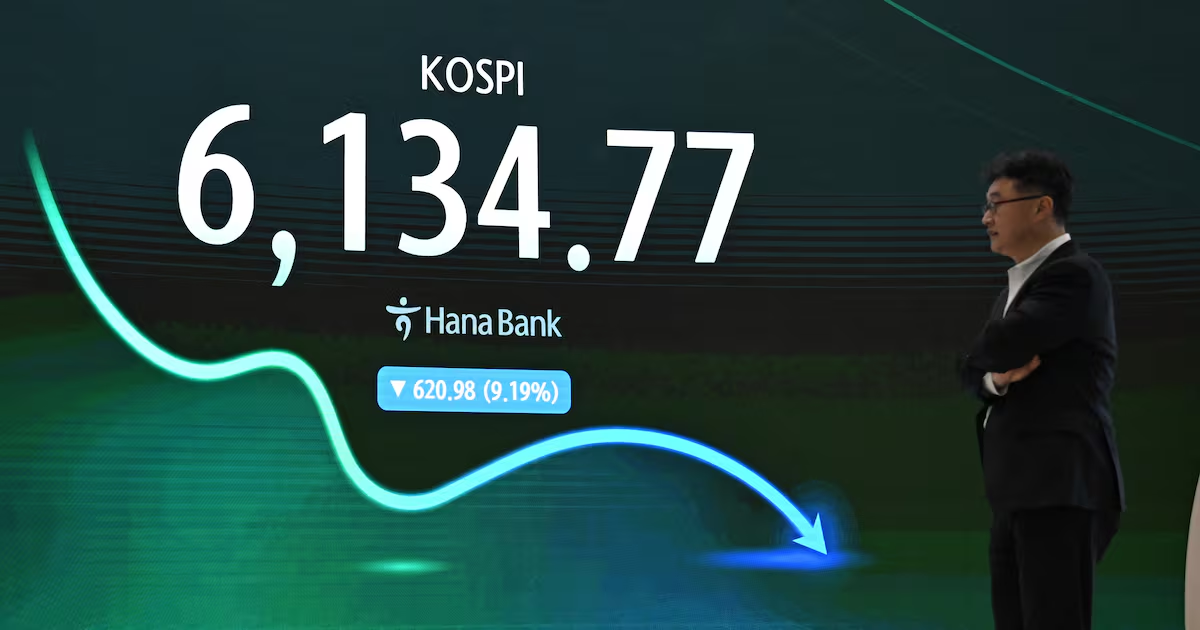
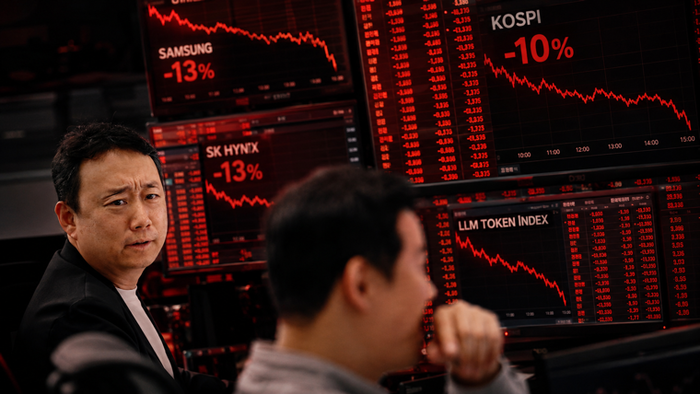
The damage hasn’t been contained to any single geography. South Korea’s Kospi index suffered a staggering 11% single-day decline, driven heavily by losses in Samsung Electronics and SK Hynix. The Philadelphia Semiconductor Index, Wall Street’s go-to benchmark for chipmakers, fell more than 11% from its June 2026 record high. And perhaps most telling: semiconductor funds saw record outflows of around $11B during the week ending June 24, 2026, suggesting this isn’t just a bad week but a structural reassessment of the sector’s near-term prospects.
What broke the AI chip narrative
The cracks started forming before the July selloff technically began. Broadcom issued tempered AI-chip guidance that landed like a cold shower on a market conditioned to expect only good news from anything adjacent to artificial intelligence.
The concerns are threefold. First, there’s the question of whether AI expenditures are actually sustainable at current levels, or whether companies have been front-loading spending that will eventually normalize. Second, valuations across the chip space had stretched to levels that left very little room for disappointment. Third, competitive threats from Chinese semiconductor firms have added a geopolitical wrinkle that makes the investment case harder to model with confidence.