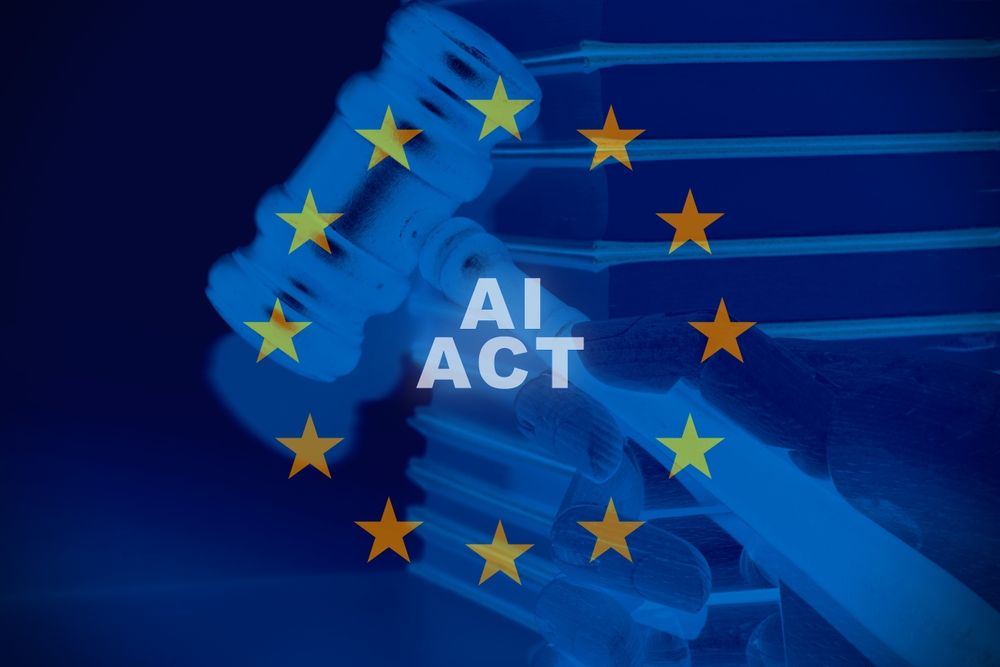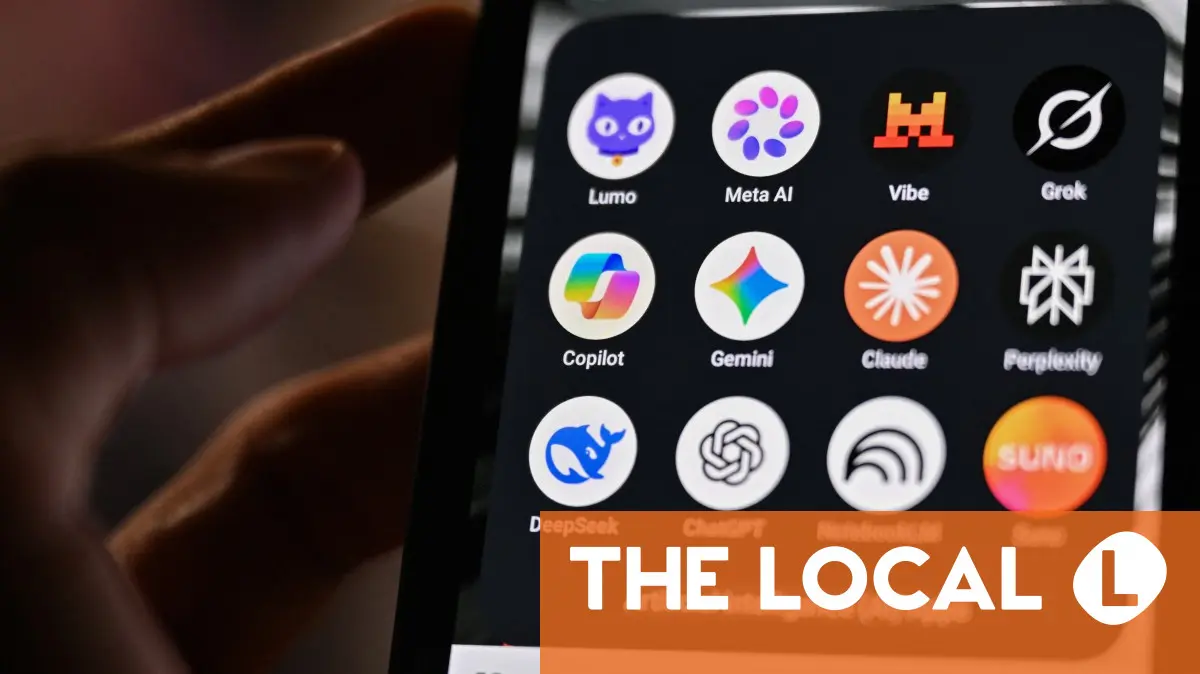
Deepfakes and other artificial intelligence (AI)-generated content must be labeled from Sunday, as the EU’s sweeping artificial intelligence transparency rules kick in.The goal? To make sure Europeans immediately know whether the online content they see is real or fake.The EU’s comprehensive AI law enters into force in stages. From Sunday, companies must ensure their AI systems like chatbots make it clear to users they are AI, or when an image or text has been created using AI, there must be a label saying so.
From August 2, companies must make sure their AI systems like chatbots make it clear to users they are AI, or when an image or text has been created using AI.
This can be done by integrating watermarks and other markers to allow the easy detection of AI-generated content. Firms face large fines if they do not comply.“Generative AI enables disinformation to be created at unprecedented scale, tailored to specific audiences, and disseminated with remarkable speed,” an EU official said.
Since AI is “making it increasingly difficult for all of us to distinguish what is real from what is synthetic,” the EU’s rules seek to “preserve citizens’ ability to trust what they see, hear, and read,” the official said.Of particular concern for the EU are deepfakes — text, images, videos and sounds that appear to be real, but are generated or manipulated by AI.The rules affect content made for professional reasons, and the EU insists individuals using AI in a purely personal capacity will not be affected.Text that aims to inform the public on general interest issues will also have to be labeled if they are created using AI without human editorial oversight.Existing AI systems have until Dec. 2 to adapt to the new rules, and there are exemptions for “artistic, creative, satirical, fictional” work.The EU has come under fire for placing more demands on businesses, and rules that will ultimately force all content to be labeled given the rapidly growing widespread use of AI across Europe.“We have heard that it is going to be very, very difficult to implement, but I think we often hear this with compliance requirements. And yet, the world turns and we figure these things out,” Ashley Casovan of International Association of Privacy Professionals told Agence France Presse.The world’s tech giants have already begun slapping their own labels in anticipation of the rules.For example, TikTok has required content creators to label AI-generated images, audio and video for several years, and says more than 3 billion content items already have labels thanks to tools and detection technology.Likewise, Meta has deployed an “AI Info” label on Instagram and Facebook for posts using the technology.Google has signed the EU code of conduct on AI transparency, and says it is working with others like Nvidia, OpenAI and Apple on digital tagging tools.However, Google’s Karen Massin warns of “regulatory complexity” that could prove counterproductive, and “risks confusing the people these rules are meant to help.”“If online content is flooded with overlapping AI labels and legal disclosures, it becomes harder for people to get the clear context they need,” Massin added.