From this Sunday, AI companies will be subject to new obligations under the EU's AI Act requiring them to make deepfakes and other AI-generated content clearly recognisable as artificial.
However, technical challenges raise doubts about how effective the rules will be.
Two years ago, the EU adopted sweeping rules to regulate artificial intelligence and created a dedicated AI Office to oversee the landmark legislation's implementation.
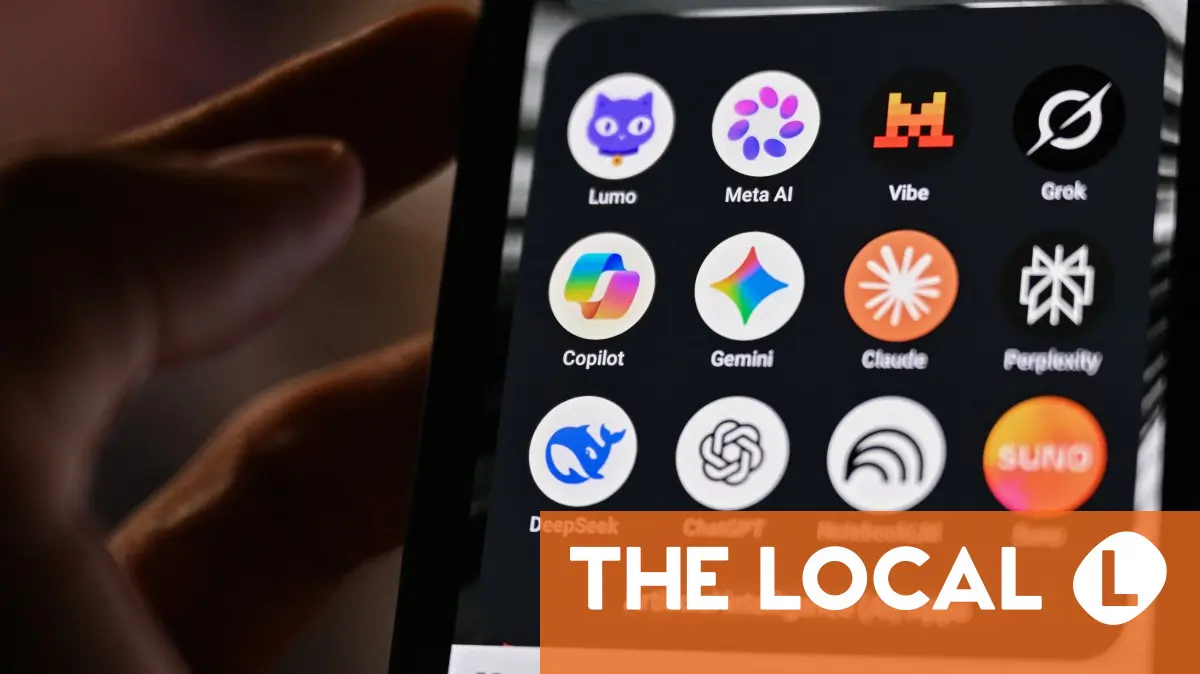
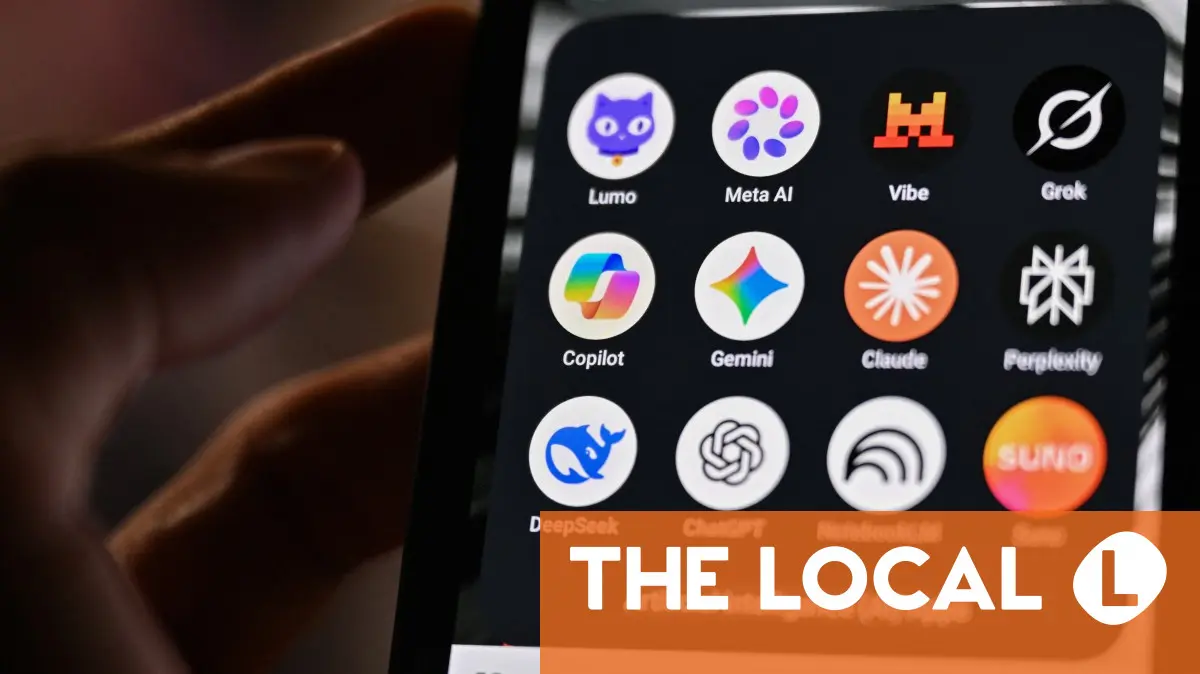
Among its many provisions, the AI Act includes the world's first transparency regimes for synthetic media, requiring providers of generative AI systems like Anthropic's Claude and OpenAI's ChatGPT to ensure that artificially generated or manipulated content can be detected as such.
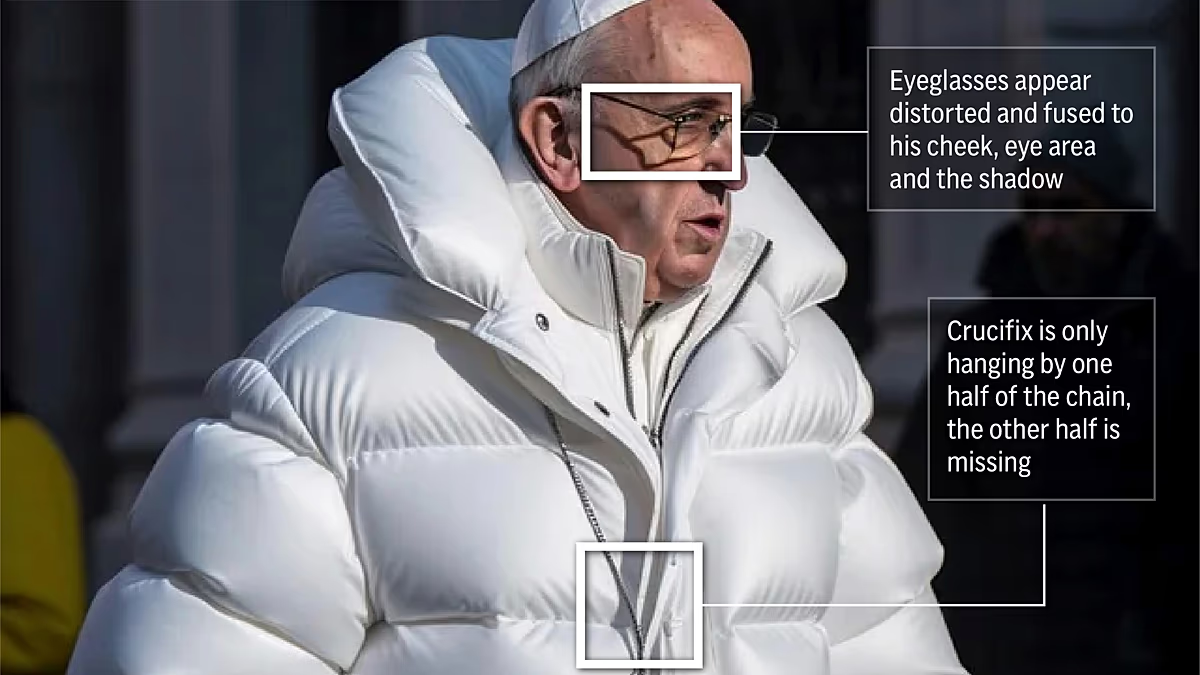
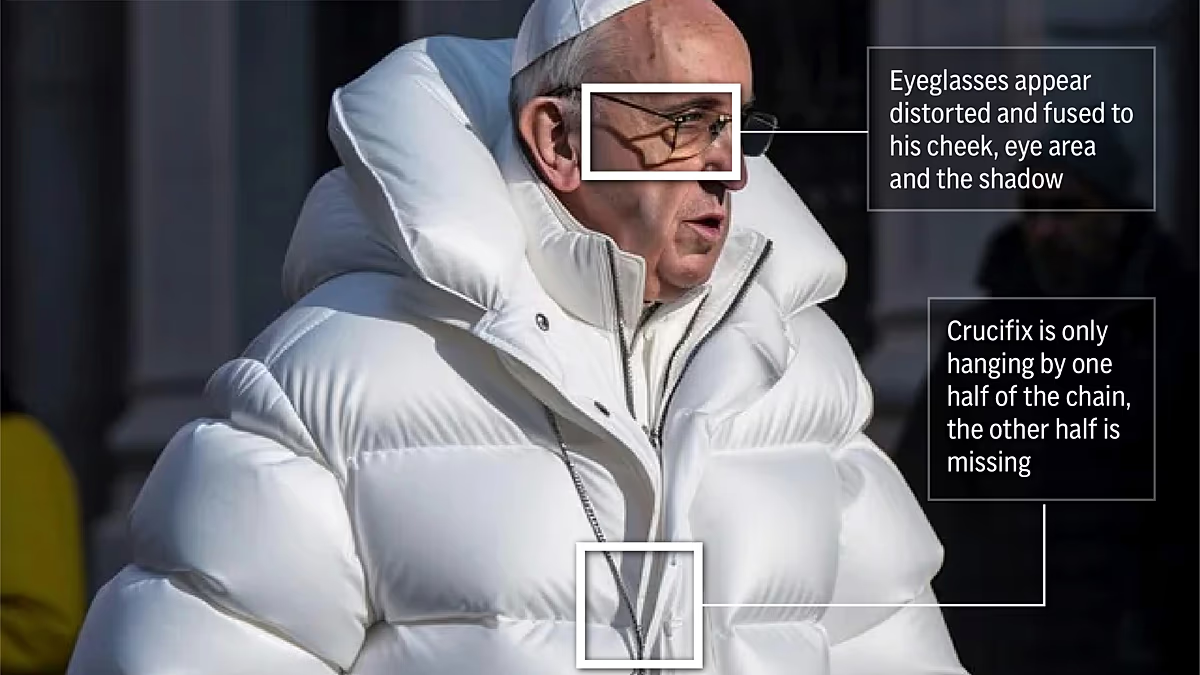
The rules are stricter for deepfakes—realistic AI-generated or AI-manipulated images, audio or videos that imitate a real person's appearance, voice or actions in a way that could lead people to believe they said or did something that never happened.