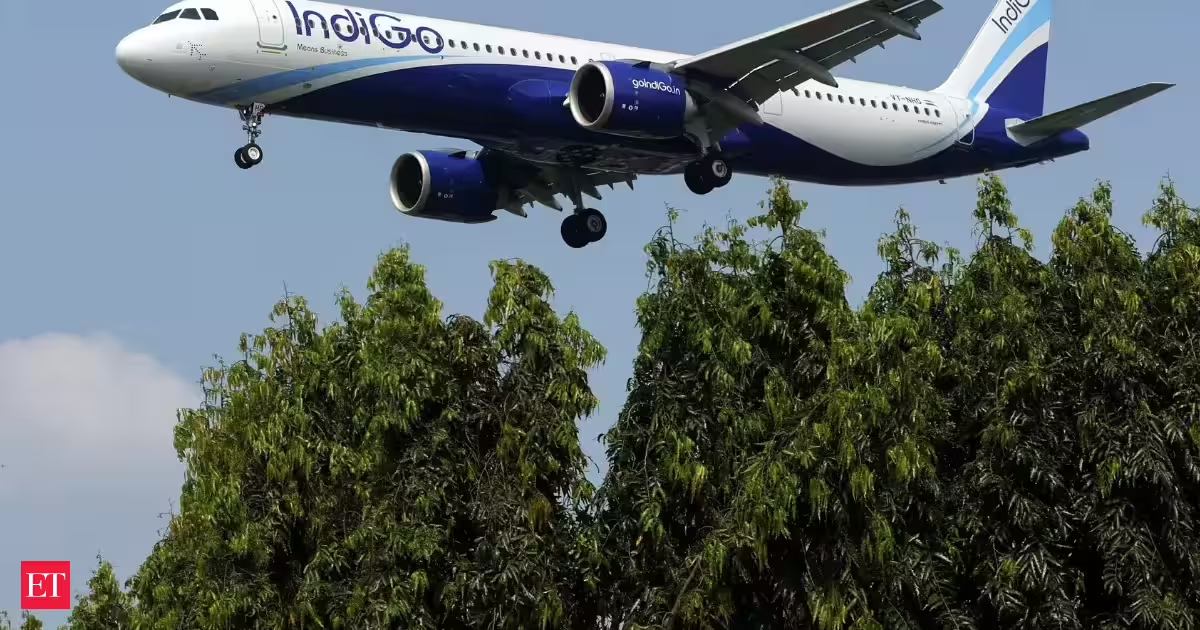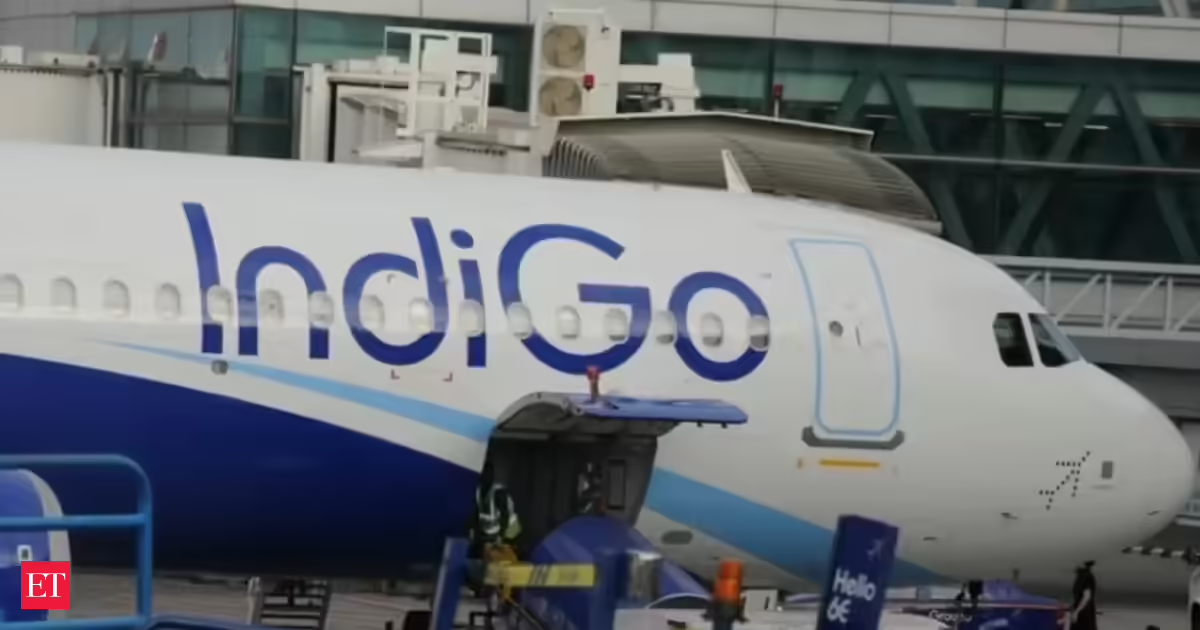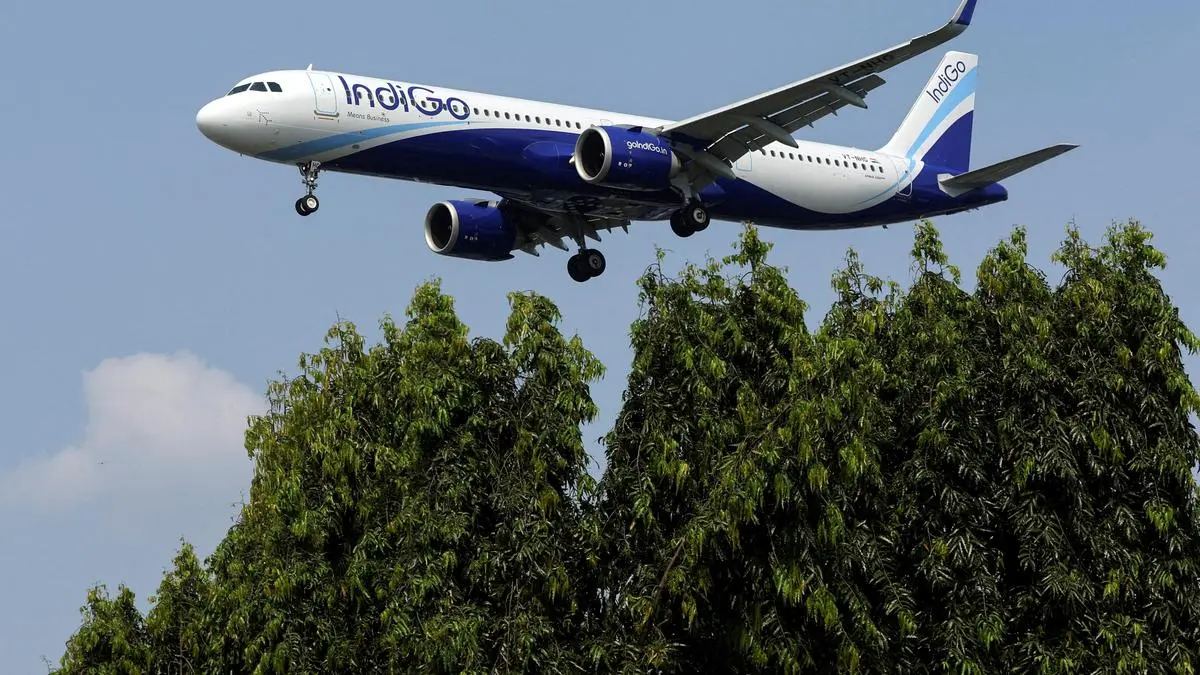
Airline major IndiGo is positioning international operations as the next major growth driver, with investments in long-haul aircraft, maintenance infrastructure, digital capabilities and talent expected to support this strategy.Accordingly, the shift comes after the airline consolidated its position in the domestic market over the past two decades.In its FY26 Annual Report, the airline said the coming decade would represent the “most significant phase of international expansion” in its history as it seeks to build a global aviation network centred around India.The strategy, the airline said, aligns with the government’s broader objective of developing India into a global aviation hub while diversifying the airline’s growth beyond the domestic market.Presently, IndiGo commands over 66 per cent of India’s domestic market and has built one of the country’s largest domestic networks.As of June 30, 2026, the airline operated a fleet of 432 aircraft and provided scheduled services to 97 domestic and 46 international destinations.The airline said that the focus is now gradually expanding towards strengthening international connectivity and capturing a larger share of outbound and transit traffic.During FY26, IndiGo expanded its international footprint by launching long-haul services to the United Kingdom and Eastern Europe, inducting the Airbus A321XLR into its fleet and commencing direct services to Athens.The airline resumed operations to mainland China and added international routes including Kolkata-Shanghai, Delhi-Colombo, Delhi-Krabi and Mumbai-Fujairah.Meanwhile, the international expansion strategy comes as IndiGo continues to report strong financial growth despite a challenging operating environment.During FY26, the airline reported revenue from operations of ₹85,000 crore, while total income stood at around ₹89,000 crore.The airline carried more than 130 million passengers during the year, supported by network expansion and sustained domestic demand.Besides network expansion, IndiGo said it is strengthening the infrastructure required to support long-haul operations.The airline is developing a new maintenance, repair and overhaul (MRO) facility at Bengaluru, which is expected to become operational in 2028.Furthermore, this facility, along with its existing engineering infrastructure, is expected to improve operational resilience while supporting India’s growing aviation ecosystem.In terms of technology, IndiGo expanded its digital travel ecosystem through deeper integration of hotels and ground transportation services, enhanced customer experience through Digi Yatra integration, migrated critical engineering systems to cloud platforms and continued deploying artificial intelligence-based solutions across customer service and operational functions.According to IndiGo, these investments are intended to improve efficiency while supporting future growth.The airline indicated that workforce development would remain an important part of its international expansion plans.As per the annual report, IndiGo continues to invest in leadership development, employee training, digital systems and organisational capability to support a larger global network.The airline pointed out that it has crossed the milestone of employing more than 1,000 women pilots, among the highest such numbers globally.However, IndiGo acknowledged that geopolitical tensions, prolonged airspace restrictions, aircraft and engine supply constraints, fuel price volatility and foreign exchange fluctuations continue to pose challenges for the aviation industry.Nevertheless, the airline said India’s long-term aviation demand remains strong and that the country is entering a multi-decade growth cycle expected to make it one of the world’s largest aviation markets.The annual report also outlined a gradual shift in IndiGo’s fleet ownership strategy.IndiGo plans to increase the share of owned or finance-leased aircraft from around 20 per cent of its existing fleet to between 30 per cent and 40 per cent of a projected fleet of about 600 aircraft by 2030, reflecting a broader evolution in its long-term capital allocation strategy.Published on July 28, 2026
IndiGo positions international expansion as next growth engine after consolidating domestic market
Long-haul aircraft, MRO investments and digital capabilities to support airline’s global ambitions
TL;DRAI
IndiGo pivots to international growth from 66% India domestic position, targeting 600 aircraft by 2030 with Bangalore MRO and long-haul to UK/Europe/China. Cloud-migrated engineering and AI ops reflect infrastructure modernization linked to scale—signals vendor/stack implications for enterprise decision-makers in aviation tier-1.
569 words~3 min read