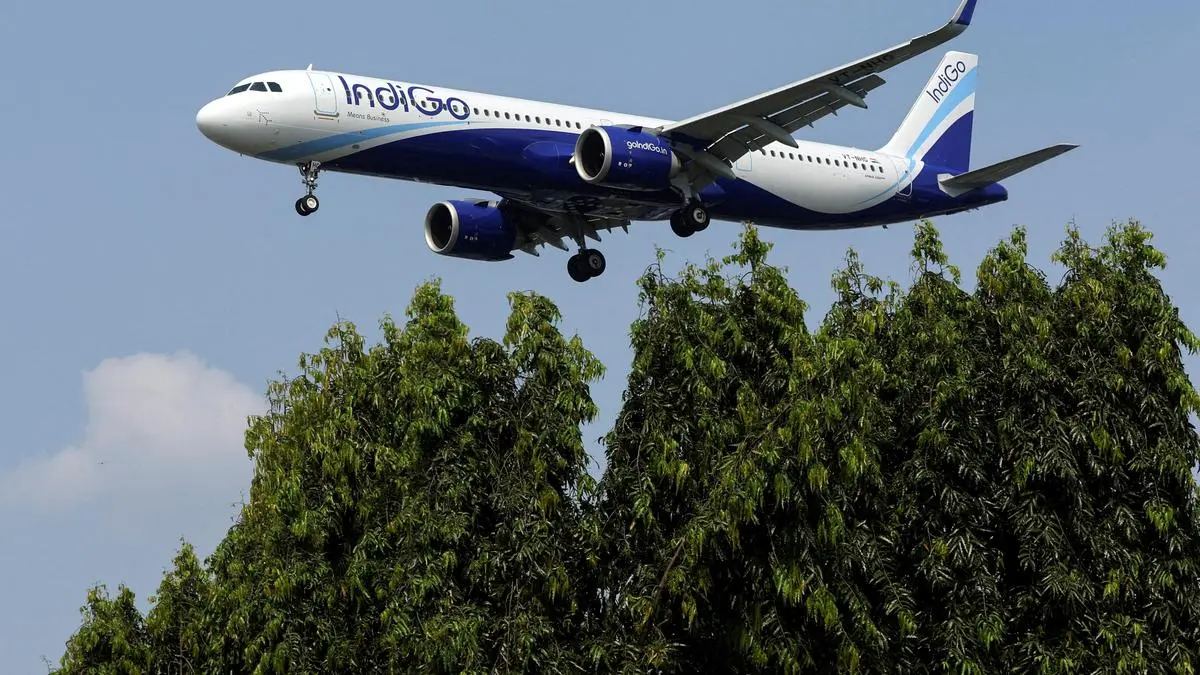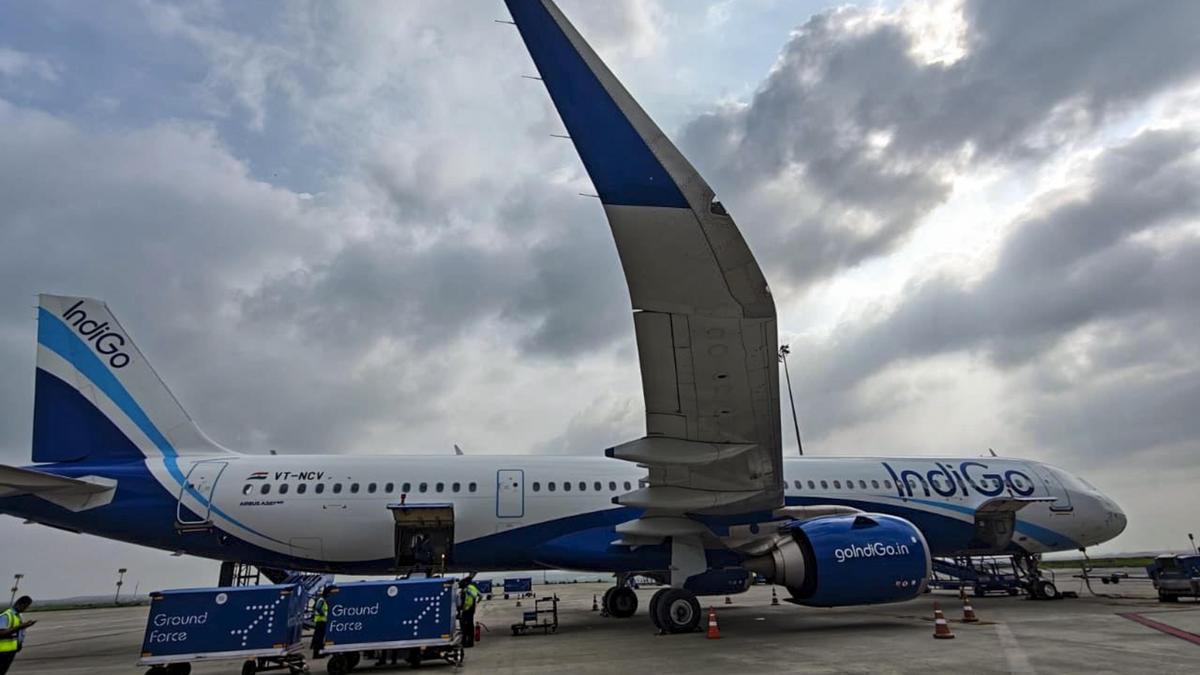
Rahul BhatiaNEW DELHI: IndiGo, which turns 20 next week, is going to witness the “most significant phase of international expansion in (its) history” in the next decade. The airline which had its first flight on Aug 4, 2006, from Delhi to Imphal via Guwahati now plans to “establish India as one of the most important global aviation hubs of the future,” said the airline’s promoter-MD Rahul Bhatia in the company’s annual report 2025-26.Meanwhile, govt has granted security clearance to former British Airways CEO Willie Wash to take over this role in IndiGo which is likely to happen next Monday. Following the exit of Pieter Elbers as CEO on March 10 as a fallout of the unprecedented schedule collapse IndiGo had witnessed last Dec, Bhatia had taken over that role as an interim measure.“We are investing in fleet, technology, infrastructure, digital capabilities, and talent to build a truly global aviation network originating from India. Our ambition is not only to connect India to the world but also to establish India as one of the most important global aviation hubs of the future,” Bhatia said in the annual report.“What began as an ambitious vision to democratise air travel and make flying affordable and accessible to millions has evolved into one of the world’s leading aviation enterprises, closely aligned to the nation’s growth. Today, with over 2,150 daily flights, a network spanning India and an expanding global footprint, we stand among the world’s top 20 airlines. Our position as market leader with over 60% market share reflects the trust placed in us by millions of customers and by our shareholders who have supported our growth over the years,” he added.With a fleet of 441 aircraft and nearly 1,000 still on order, including wide bodies, IndiGo is the domestic market leader with over 60% share. And it is also the largest airline in terms of flying people in and out of India. “From inception, we have focused on building scale with commitment, discipline, operational resilience and customer trust. What we are today is the outcome of years of dedicated effort by thousands of our employees across every part of the organisation united by a shared commitment to excellence and reliability. It is their passion that has built this airline into a national asset and a globally respected brand,” he said.IndiGo’s journey, he says, “has been built on conviction in India’s future, in the power of connectivity, and that a world-class Indian airline could compete successfully on the global stage. While we take pride in what has been accomplished, we remain excited about the opportunities ahead.”The airline will change with the times as customer expectations change. “As traveller expectations evolve, we are committed to evolving with them. Our investments in product enhancement, premium offerings, technology, operational reliability, and service excellence are all driven by a single objective: to strengthen our position as the preferred airline for an increasingly discerning and globally connected customer base,” he says.The airline is working on strengthening India’s aviation infrastructure so that the world’s fastest growing aviation market country becomes self-reliant. “(We are) building greater long-term self-reliance in maintenance and technical capabilities. A key milestone in this journey is the development of our world-class MRO facility at Kempegowda International Airport, Bengaluru, expected to be operational in 2028. Alongside our existing MRO facilities in Delhi and Bengaluru, this investment will enhance resilience, strengthen maintenance capabilities, and build future-ready aviation infrastructure in India, supporting the nation’s ambition to become a global aviation hub,” Bhatia says.While saying IndiGo has “taken all the necessary steps to learn from (last Dec) episode” to become operationally resilient, he says Indian “aviation industry operates against a backdrop of considerable geopolitical and macroeconomic uncertainty.”Listing the challenges, he says: “Fuel remains one of the largest cost components for any airline, and volatility in global energy markets continues to create significant operating uncertainty. Indian aviation has been further adversely impacted by airspace closures since over a year. In parallel, ongoing supply chain constraints affecting aircraft production, engine availability, maintenance cycles, and component sourcing have placed pressure on airlines’ expansion plans globally. Foreign exchange volatility, particularly in emerging markets where capital costs are denominated in foreign currencies, remains an important consideration.”“As a rapidly growing economy deeply integrated into global markets, India too will inevitably experience the effects of these developments, which may in turn impact travel demand in the near or medium term. However, aviation has historically demonstrated remarkable resilience. Despite cyclical disruptions, long-term structural demand for connectivity continues to strengthen, particularly in high-growth economies such as India. We therefore remain focused on navigating near-term challenges with prudence and discipline while preparing the airline for long-term expansion,” he said.
'Next decade most significant for international expansion in IndiGo history:' Rahul Bhatia
NEW DELHI: IndiGo, which turns 20 next week, is going to witness the “most significant phase of international expansion in (its) history” in the next decade. The airline which had its first flight on Aug 4, 2006, from Delhi to Imphal via Guwahati now plans to “establish India as one of the most important global aviation hubs of the future,” said the airline’s promoter-MD Rahul Bhatia in the company’s annual report 2025-26.
777 words~4 min read