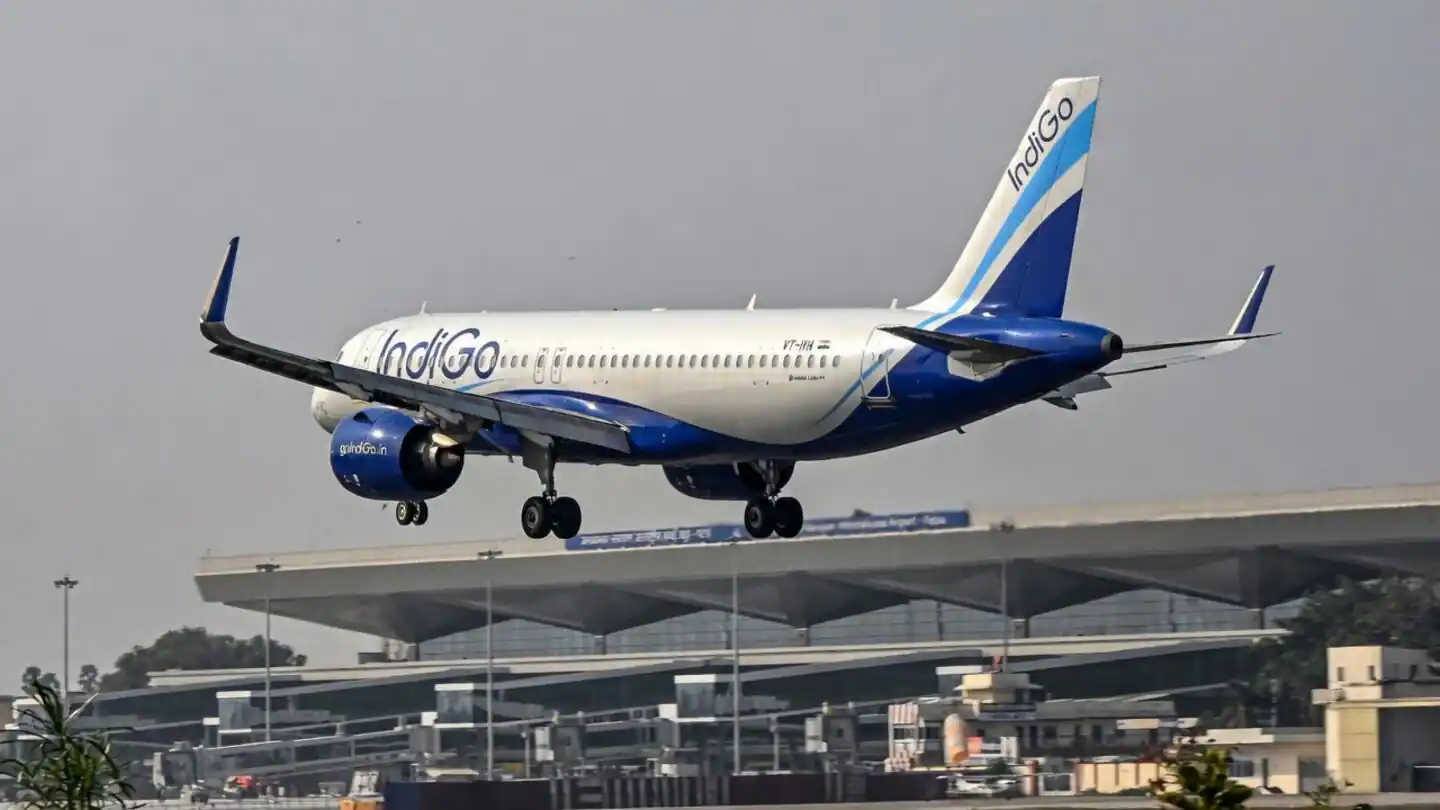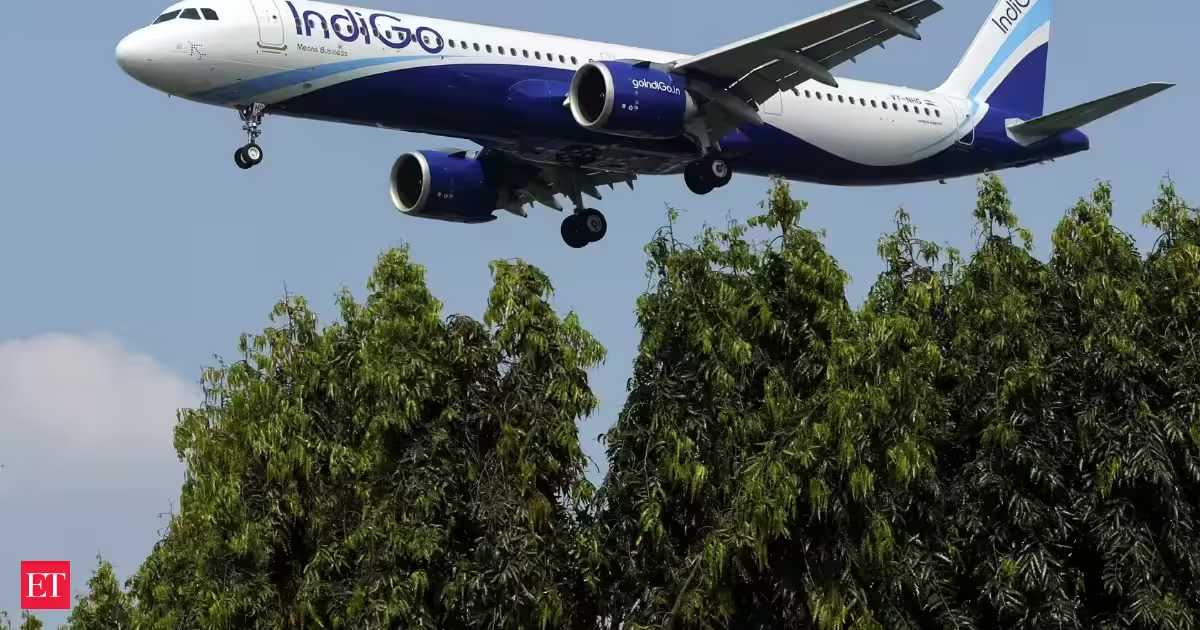
India's largest airline IndiGo expects strong structural growth in air travel to continue despite geopolitical tensions, volatile fuel prices and currency fluctuations, saying rising incomes, urbanisation and international expansion will power its next phase of growth.In its FY26 annual report, the airline flagged conflicts in West Asia and macroeconomic uncertainties as the biggest near-term risks to the aviation sector, while expressing confidence that long-term demand fundamentals remain intact.Also Read: IndiGo parent InterGlobe Aviation appoints Kiran Thadimarri as CFO; Gaurav Negi takes advisor role"The outlook for Indian aviation in FY 2027 remains highly sensitive to geopolitical uncertainties," IndiGo said.The airline noted that ongoing conflicts in West Asia have led to intermittent airspace restrictions, increasing operating costs on certain international routes while also raising the possibility of flight disruptions and temporary service suspensions."Additionally, volatility in global crude oil prices and foreign exchange rates continue to pose a significant risk to airline cost structures," it said.Despite these headwinds, IndiGo expects India's expanding middle class to remain the biggest driver of air travel demand over the coming years."The steady expansion of the middle-class population is structurally strengthening demand for air travel," the airline said, adding that rising urbanisation, a growing preference for time-efficient travel and improving affordability are boosting passenger traffic across both leisure and business travel.According to the airline, the trend is also widening the pool of frequent flyers beyond India's largest cities."This shift is also expanding the base of frequent flyers from Tier-II and Tier-III cities, supporting sustained growth in domestic aviation and improving capacity utilisation across the sector," it said.Also Read: Why IndiGo doesn't like Adani's plans to run airlinesIndiGo said it expects the combination of rising passenger demand, expanding airport infrastructure and improving international connectivity to shape the industry's next growth cycle."The growth drivers, such as rising air travel demand, expanding airport infrastructure and increasing international connectivity, is shaping the next phase of growth for the Indian aviation industry," the airline said.Positioning itself to capitalise on that opportunity, IndiGo said its strategy remains focused on expanding its domestic and international network while maintaining cost discipline."IndiGo is well positioned to benefit from these structural trends through its extensive domestic network, growing international presence and disciplined operating model. The Company's strategy remains focused on strengthening network reach, maintaining operational reliability and delivering cost-efficient operations," it said.International expansion remains central to that strategy.Also Read: Cross-ownership could create conflict of interest, says IndiGo MD; airline posts Rs 382 crore Q1 loss despite 20% revenue growthThe airline said it is building a global network through codeshare partnerships, longer-range aircraft and fleet diversification as it seeks to evolve from a predominantly domestic carrier into a global airline."The introduction of aircraft such as the A321XLR, along with the planned addition of A350 aircraft, will enable access to new international markets and support the gradual expansion of long-haul operations, enhancing connectivity from India," IndiGo said.The carrier also highlighted its order book of more than 900 aircraft, saying it provides long-term capacity visibility and supports both domestic and overseas expansion plans.At the same time, IndiGo said it continues to prepare for persistent geopolitical and macroeconomic risks."Macroeconomic uncertainties, including geopolitical tensions, oil price volatility and currency depreciation, continue to impact the airline industry," it said.The airline added that it is mitigating these risks through investments in a fuel-efficient fleet, currency hedging and a diversified network strategy, even as conflicts in West Asia continue to disrupt international operations through flight rerouting and higher fuel consumption.
IndiGo bets on India's aviation boom despite West Asia turbulence, oil price risks
IndiGo expects strong air travel growth despite geopolitical tensions and volatile fuel prices. Rising incomes and urbanisation will power the airline's next phase of expansion. The company anticipates a growing middle class will remain the primary demand driver. IndiGo is expanding its international network and fleet for future growth. The airline maintains cost discipline and operational reliability for sustained success.
574 words~3 min read