Story audio is generated using AI
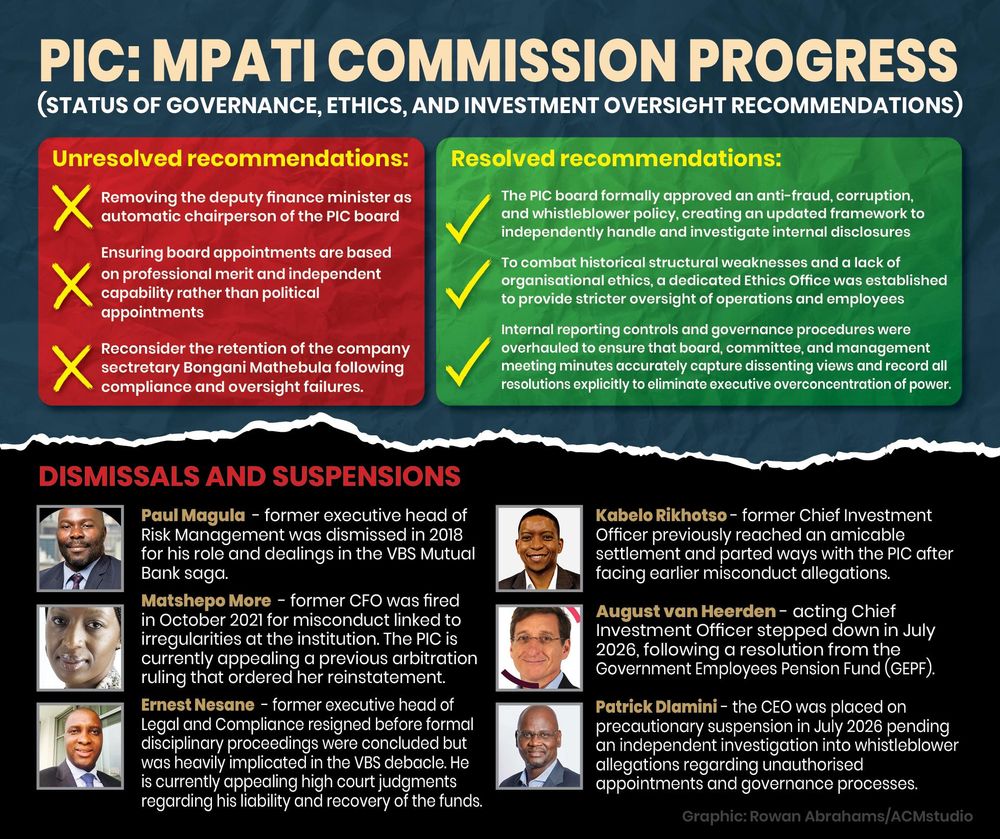
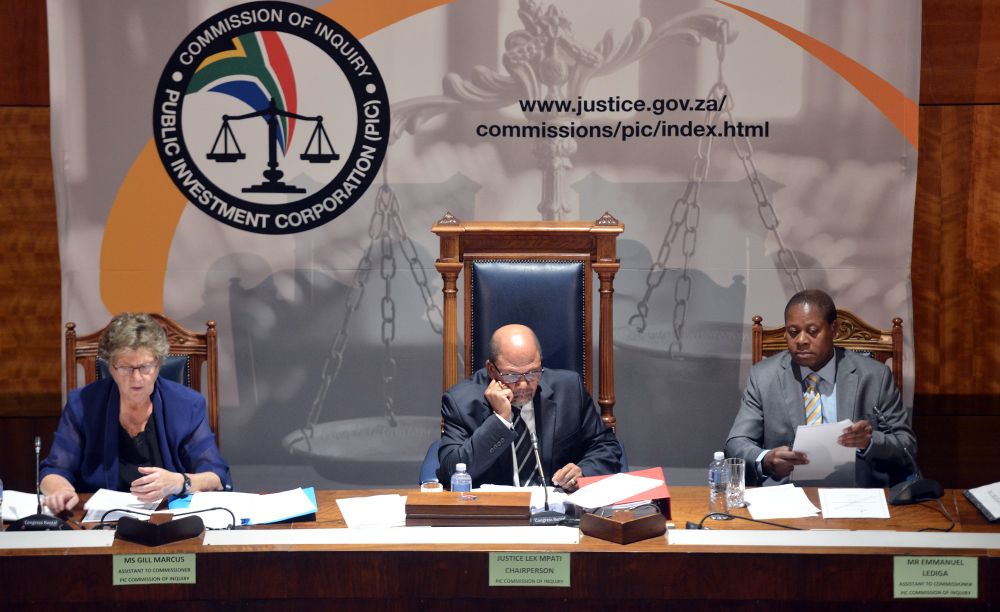
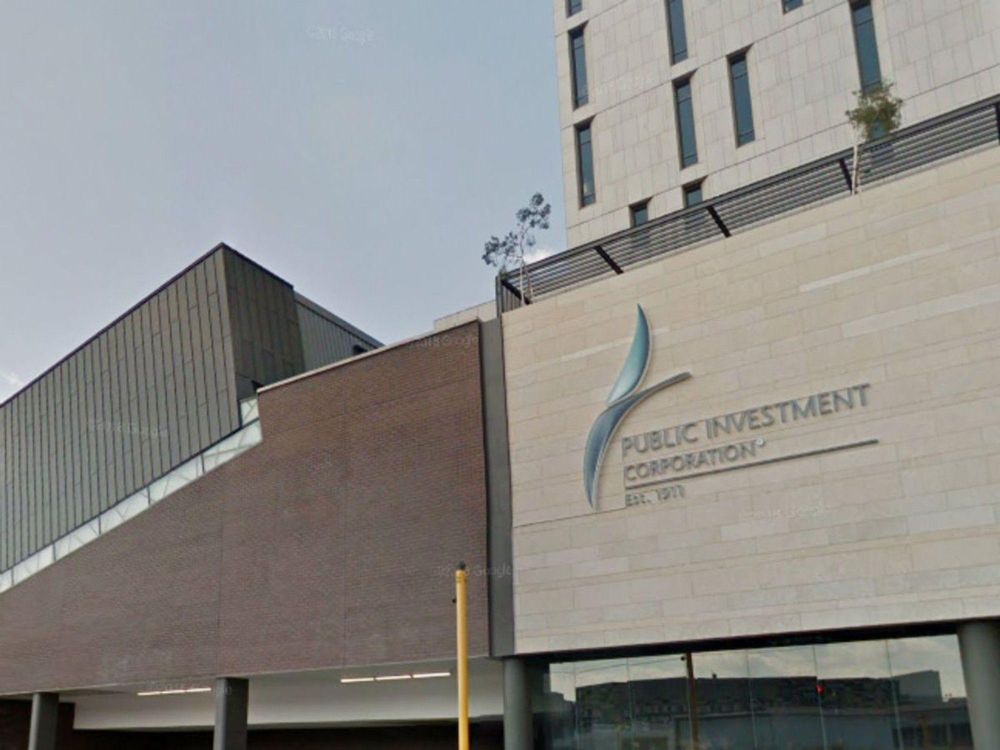
The Public Investment Corporation (PIC), which is facing a leadership paralysis, has resorted to roping in external consultants to assist in building an organisational culture allowing it to keep the entity competitive and able to retain top talent.This was after an internal survey found the organisation culture was poor, leading to low staff morale and distrust.To this end, the PIC, which is without a permanent CEO and chief investment officer, has asked consultants to come in and set an organisational culture fit for purpose, including “fostering psychological safety and trust, including facilitation of the employee healing process.”The company, which marshals more than R3.6-trillion in assets, has had a difficult year — a period that saw the suspension of both its CEO, Patrick Dlamini, and erstwhile chief investment officer, Kabelo Rikhotso, who left the role in March after five months’ suspension.Dlamini was suspended two weeks ago, sparking a board exodus and deepening the leadership paralysis.A whistleblower report, alleging wrongdoing at the highest levels of the organisation that emerged at the tail end of last year, strained relations. Some of the culture change interventions PIC has asked consultants to help it with include the following:― Executive and leadership alignment― Facilitation of courageous conversations― Managing conflict and building trust and rapport― Practical action plan to address identified challenges and a roadmap to sustain positive workplace relationships and culture changeStress in the PIC’s culture was partly revealed in a damning report by the PwC which looked into the controversial payment of R430m by the asset manager to an obscure entity called Acapulco. The professional services firm found instances of a culture of senior officials shying away from taking responsibility over the payment.Acapulco in 2013 received a R333.2m loan from the PIC to buy a 25% stake in Lanseria International Airport.Under the terms of the deal, Acapulco was expected to use reasonable commercial endeavours during the term to raise funds to refinance a portion of the capital loan amount.The final repayment of the capital loan amount was to fall on the 10th anniversary of the first advance date, which came in the latter part of 2023.Acapulco defaulted on the loan, which had ballooned to about R600m, including interest. The PIC then moved to seize Acapulco’s shares, setting the scene for what will be telling of the company’s culture.The issue of the valuation of the stake then came into play. The PIC and Acapulco hired professional services firm BDO to conduct the valuation. BDO’s valuation of Acapulco’s stake at about R330m — which would have meant the outfit would have walked away with nothing based on what it owed the PIC.The asset manager, however, exhibited extraordinary grace to a defaulting company and allowed Acapulco to do away with BDO and introduce to it the accounting firm Crowe, whose valuation of Acapulco’s stake eventually came in at about R1bn.Crowe’s valuation opened the door for it to be paid R430m, which is essentially the difference of the R600m it owed the PIC and Crowe’s valuation of its stake.PwC also found that the PIC, which on paper rejected Crowe’s valuation, put up a weak defence at the arbitration, to the ultimate benefit of Acapulco.“The investigation identified that, in respect of several key decisions, including the termination of BDO, the appointment of Crowe, and the election to proceed with arbitration under expedited rules, no single individual within the PIC, including Ms Lindiwe Dlamini, Mr [Bothwell] Hlahla, or Mr [Thando] Mziba, assumed clear ownership or accountability,” the PwC report reads.“When questioned, each of these key role players either expressly denied making or instructing these decisions or indicated that their role was limited to providing input or executing instructions received from others.”These are some of the gaps in the group’s culture that the PIC is looking at tightening. The PIC, which manages investments on behalf of public sector funds that include the Government Employees Pension Fund, Unemployment Insurance Fund and Compensation Fund is also looking to overhaul its outdated human resources systems.The entity has gone to market, seeking specialists to assist it in centralising HR data and processes and create a single system for all employee information and automate core HR tasks to improve efficiency.One of the solutions the PIC is looking at includes digitsing the hiring processes and “providing a smooth onboarding experience to attract and retain top talent.”The PIC, the biggest investor on the JSE, in its request for quotation (RFQ) said it recognises the “urgent need to modernise” its operational infrastructure to remain competitive and enhance efficiency.“This need is further compounded by the current HR system’s limitations, including but not limited to the inability to automate HR processes, among others,” the RFQ reads.“These challenges have resulted in operational inefficiencies, delayed issue resolution, and constraints in implementing necessary enhancements, thereby hindering the PIC’s ability to effectively manage and evolve its human capital capabilities,”“Consequently, implementing a modern system is identified as a strategic imperative to streamline HR processes, optimise talent management and boost employee engagement. Through this investment, the PIC aims to revolutionise its human resource functions, fostering a culture of innovation, agility, and sustainable growth.”Business Day