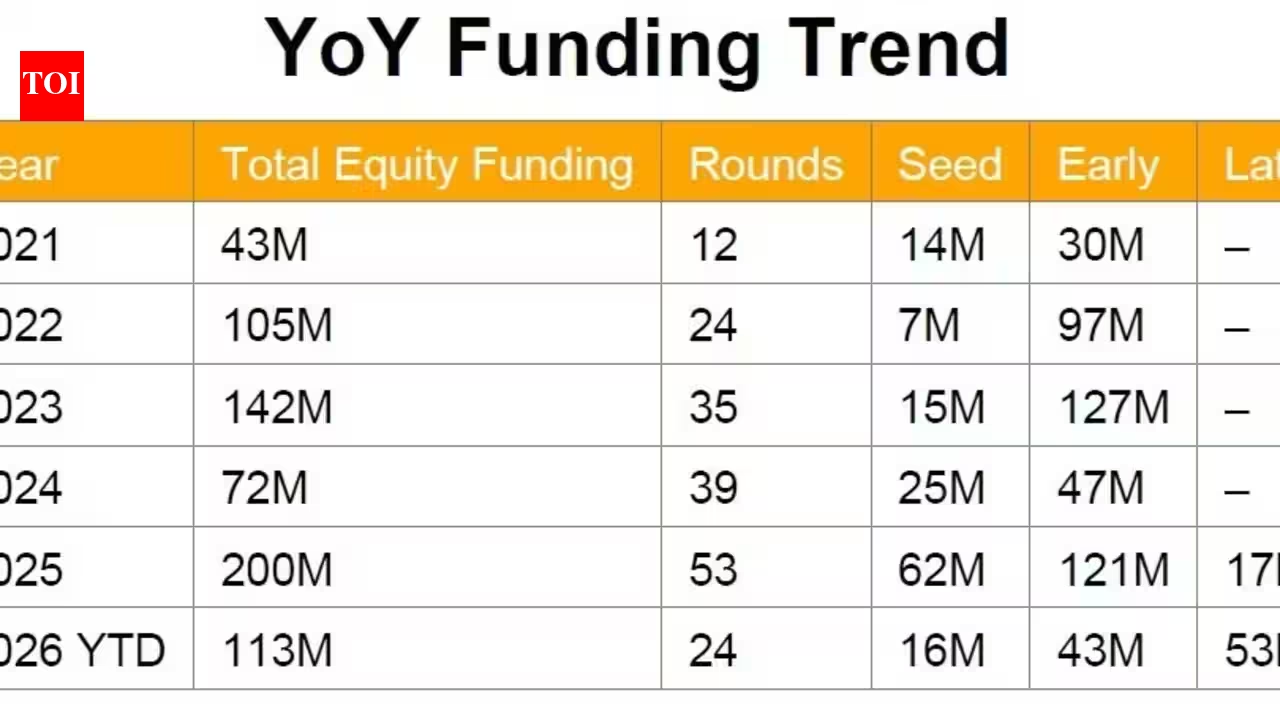
Driven by landmark orbital launches and growing interest from international institutional investors, India’s private SpaceTech sector has entered a mature new growth phase, according to a recent industry report by intelligence platform Tracxn.Capital deployment into the sector surged from $43 million across 12 rounds in 2021 to a record $200 million across 53 rounds in 2025, maintaining powerful momentum into mid-2026.The industry milestone comes on the heels of Skyroot Aerospace’s May 18, 2026 launch of its Vikram-1 rocket, which successfully deployed four payloads into a 450-kilometre low Earth orbit. Following a secondary test flight scheduled for later this year, the company plans to commence full commercial launch operations in 2027.The launch also highlights the pace of ecosystem development. India achieved its first private orbital launch within six years of opening the sector to private participation in 2020. Skyroot plans another test flight later in 2026 before commencing commercial launch operations in 2027. The milestone propelled Skyroot to become India’s first SpaceTech unicorn after closing a $50 million Series C round in May 2026. Skyroot now leads the country’s private space landscape with $150 million in total funding raised to date.According to Tracxn’s data, late-stage funding made its debut appearance in the ecosystem recently, rising from $17 million in 2025 to $53 million year-to-date in 2026. Seed-stage capital has similarly expanded, climbing nearly ninefold from $7 million in 2022 to $62 million in 2025.Just five major funding rounds accounted for over half of all capital raised across 2025 and 2026 YTD, contributing $158 million collectively. These include Skyroot Aerospace’s $50M Series C, Digantara’s $50M Series B, EtherealX’s $21M Series A, Bellatrix Aerospace’s $20M Series and AgniKul Cosmos’ $17M Series C.India’s top ten funded SpaceTech firms have now collectively raised over $548 million. Beyond leader Skyroot Aerospace ($150M), key capital gatherers include earth-observation pioneer Pixxel ($96M), launch startup AgniKul Cosmos ($76M), space situational awareness provider Digantara ($67M), and propulsion developer Bellatrix Aerospace ($34M).Geographically, Bengaluru remains the epicentre of India’s private space ecosystem, securing $495 million across 106 funding rounds. Hyderabad follows with $205 million, while Chennai ranks third with $80 million raised, with the three hubs together commanding the vast majority of private equity investment in the country’s space race.Published on July 28, 2026
Private SpaceTech Ecosystem crosses $870 mn in funding: Report
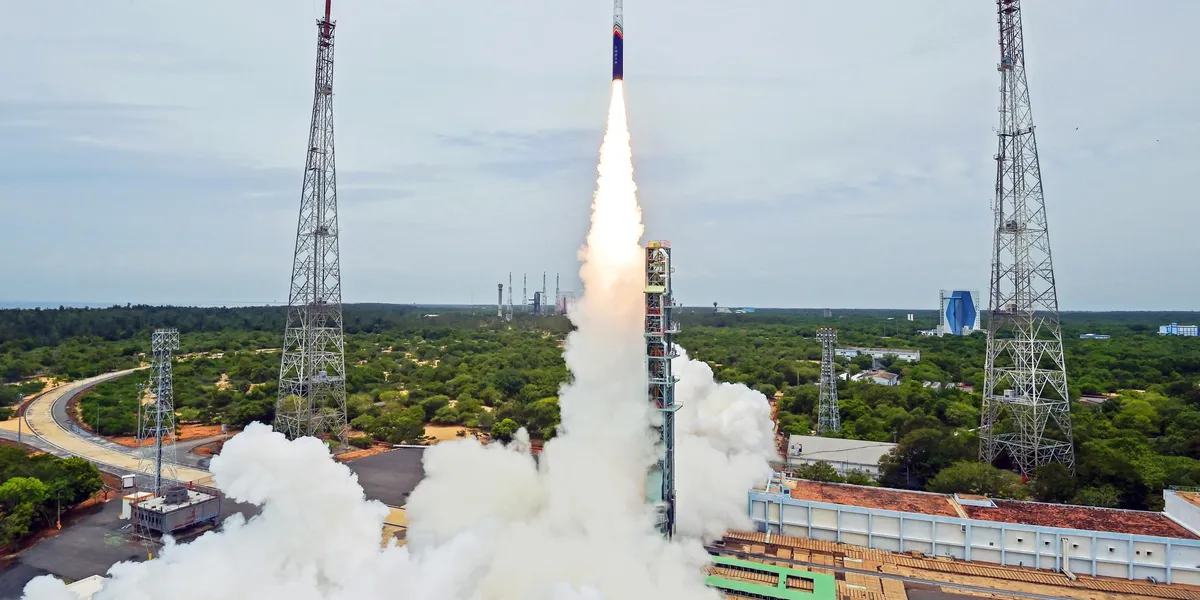
The industry milestone comes on the heels of Skyroot Aerospace’s May 18, 2026 launch of its Vikram-1 rocket, which successfully deployed four payloads into a 450-kilometre low Earth orbit
372 words~2 min read