It is widely assumed that climate policy has receded — that political change has curtailed the influence of climate models. But this misunderstands how modern government works. The most important changes occurred within the administrative state, not through legislation or international agreements.Over the past decade, climate models have become embedded throughout government, shaping regulatory analysis, infrastructure planning, financial supervision, and international commitments. Once analytical frameworks become incorporated into agency procedures, they rarely disappear. Administrations may alter priorities or suspend initiatives, but they seldom dismantle the underlying machinery. What appears to be a retreat in climate policy is often only a change in emphasis. The framework remains in place, ready to expand under different political leadership.Climate models are indispensable tools. They were designed not to predict the future but to explore possible futures under different assumptions. Every major climate model depends on several scientifically defensible assumptions whose precise values remain uncertain. Three are especially important: climate sensitivity (how much temperatures rise as atmospheric carbon dioxide doubles), aerosol forcing (the cooling effect of airborne particles), and cloud feedbacks (how clouds amplify or dampen warming). Small differences in these assumptions — well within ranges accepted by climate science — can produce materially different long-run projections. This is not a flaw. It is the unavoidable consequence of modeling an extraordinarily complex system.
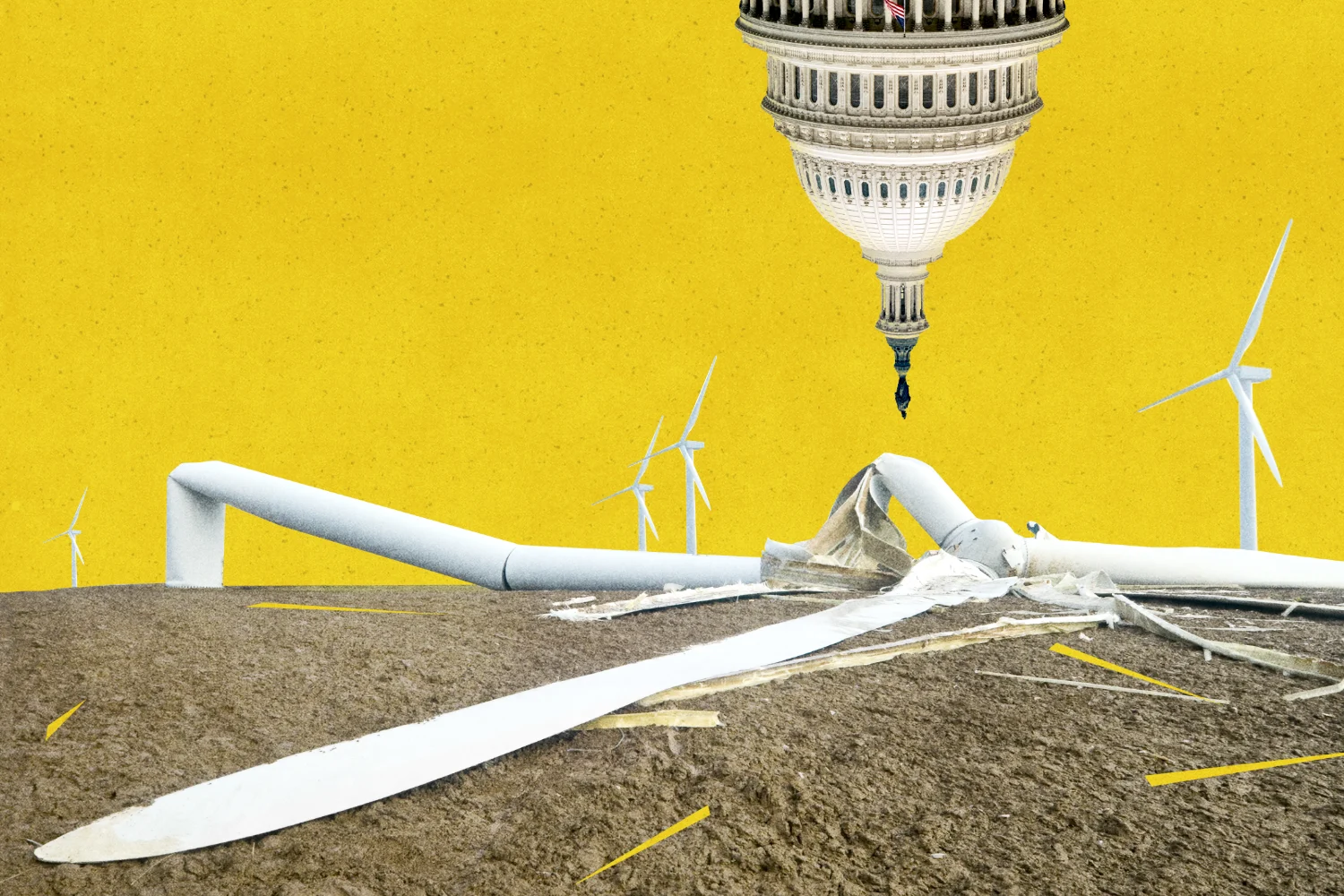
Dial-A-Crisis: How bureaucrats rig climate models for unlimited power
Climate policy endures not through laws, but through climate models embedded within the administrative state to expand regulation.
952 words~4 min read