The question is not whether we will reshape our institutions to manage climate impacts, but how
F
or decades, “stopping climate change” has been the singular goal of climate politics. Across the political spectrum, from grassroots climate campaigners to elite UN negotiators, reducing carbon emissions to avoid future catastrophe has been the organizing logic of climate policies.
Yet climate change has arrived and its material impacts are already being felt. This means that climate politics can no longer focus only on preventing future catastrophes. It must now also encompass struggles over how society manages climate impacts already reshaping economic and social life. Insurance markets, housing, water and land use policies, national labor markets, and local economies – all will need to be radically remade as we adapt to a changed and increasingly volatile climate.
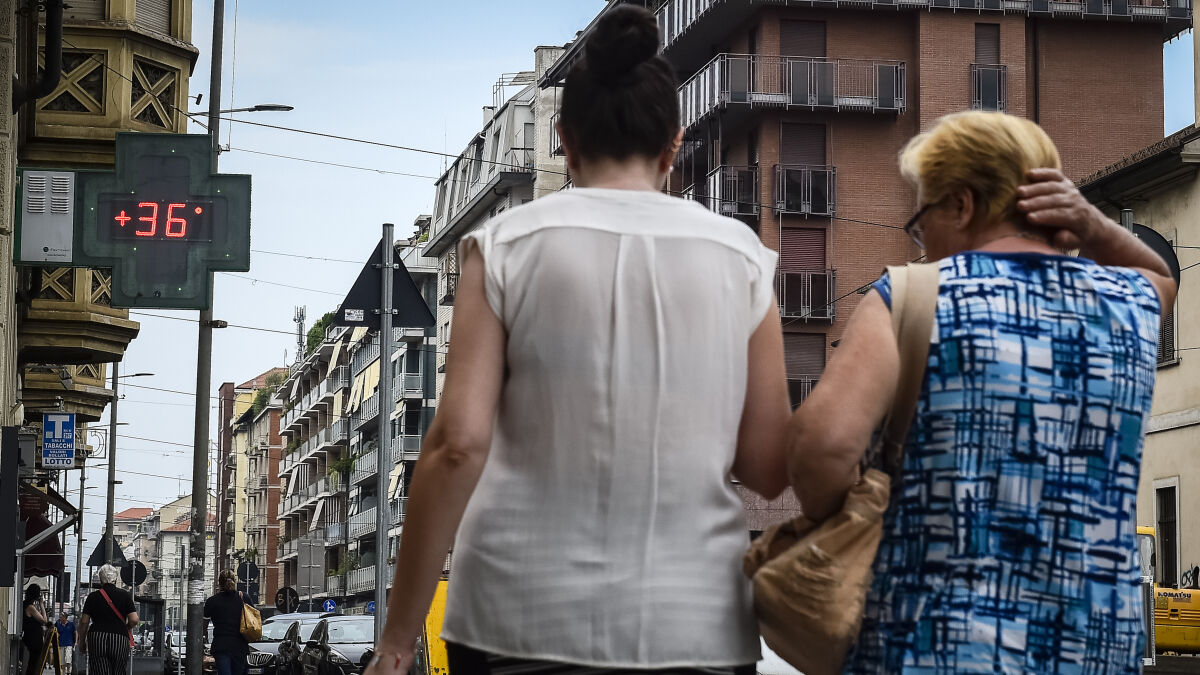
To date, climate adaptation has focused on the environmental impacts of climate change: strengthening seawalls against sea level rise, improving flood control systems, and retrofitting buildings for extreme weather events. But this infrastructure-centric framing sidesteps questions about the institutions that will condition how people experience the political impacts of climate change. Should we allow property insurance markets to operate freely, or should the federal government backstop high-risk regions? Do we maintain disaster aid systems that only protect property owners, or do we guarantee equitable recovery support? Do we leave workers laboring in extreme heat to their employers’ whims, or do we enact federal protections?