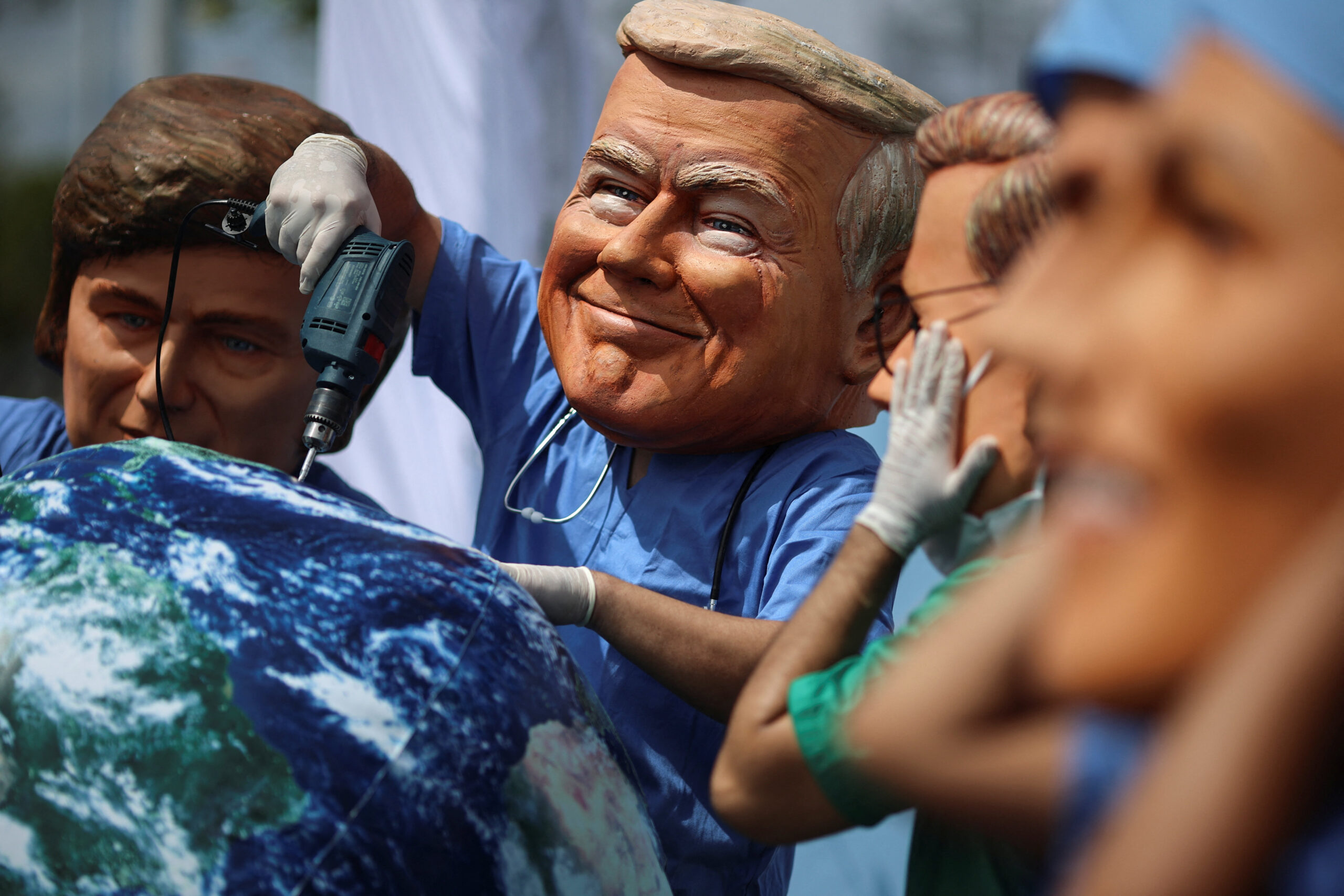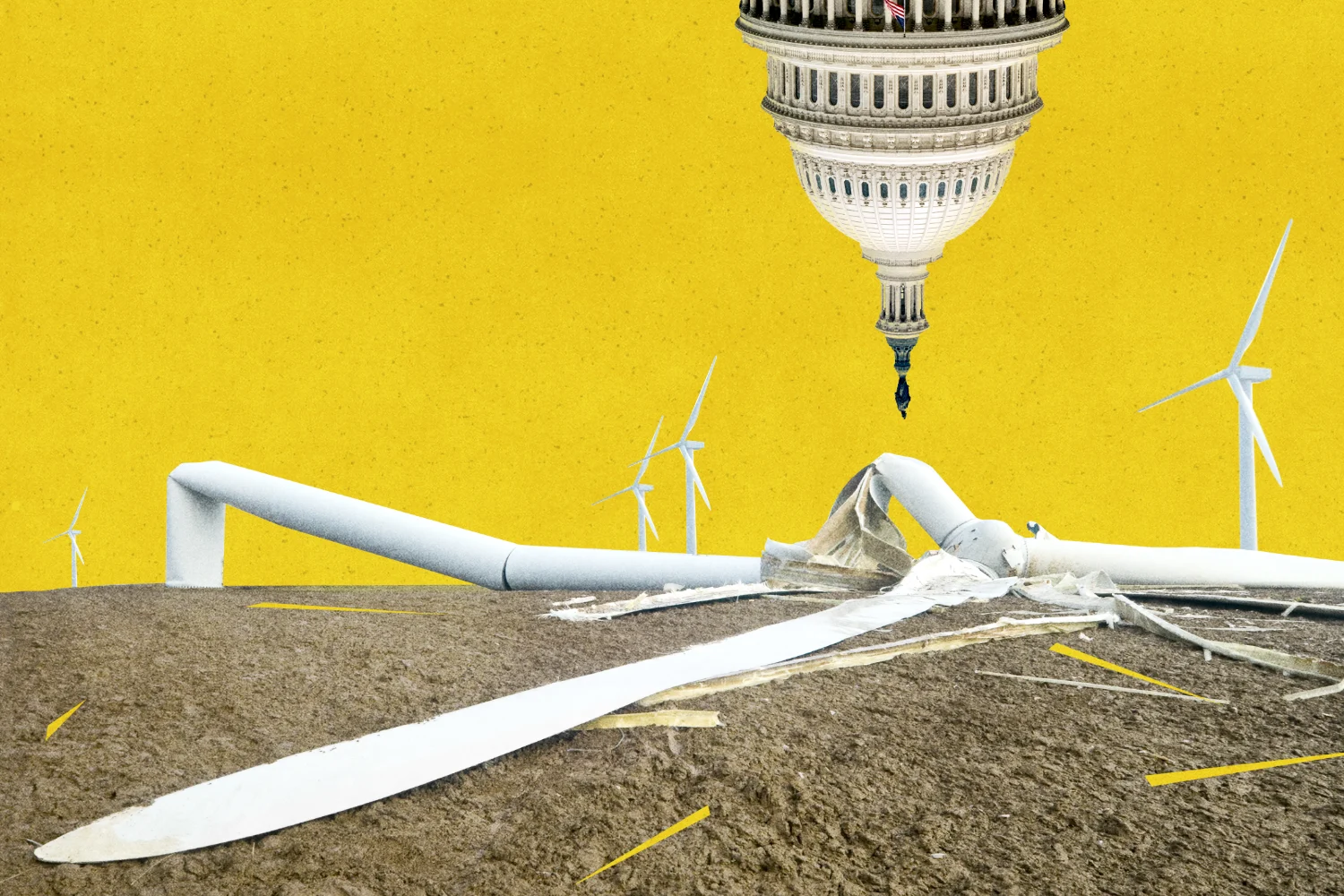
Federal climate policy has effectively ceased to function in the United States. Since retaking power last year, the Trump administration has relentlessly and systematically stripped back incentives and regulations aimed at reducing greenhouse gas emissions.
On the foreign-policy front, the United States is now absent not only from the Paris Agreement, but also the International Panel on Climate Change, the United Nations Framework Convention on Climate Change (UNFCCC) (officially as of January 2027), and most other international fora concerned with the climate crisis. The administration has also dismantled many federal offices that implement climate policy, including the State Department’s Office of the Special Presidential Envoy for Climate, the Department of Energy’s Office of Energy Efficiency and Renewable Energy, and the White House’s Climate Policy Office.
It is trite but still worthwhile to note that the impacts of these actions will extend far beyond the next U.S. election. As greenhouse gases continue to accumulate in the atmosphere, the effects of climate change—including extreme weather, sea level rise, and disease outbreaks—will make Americans poorer, sicker, and more vulnerable.