Story audio is generated using AI
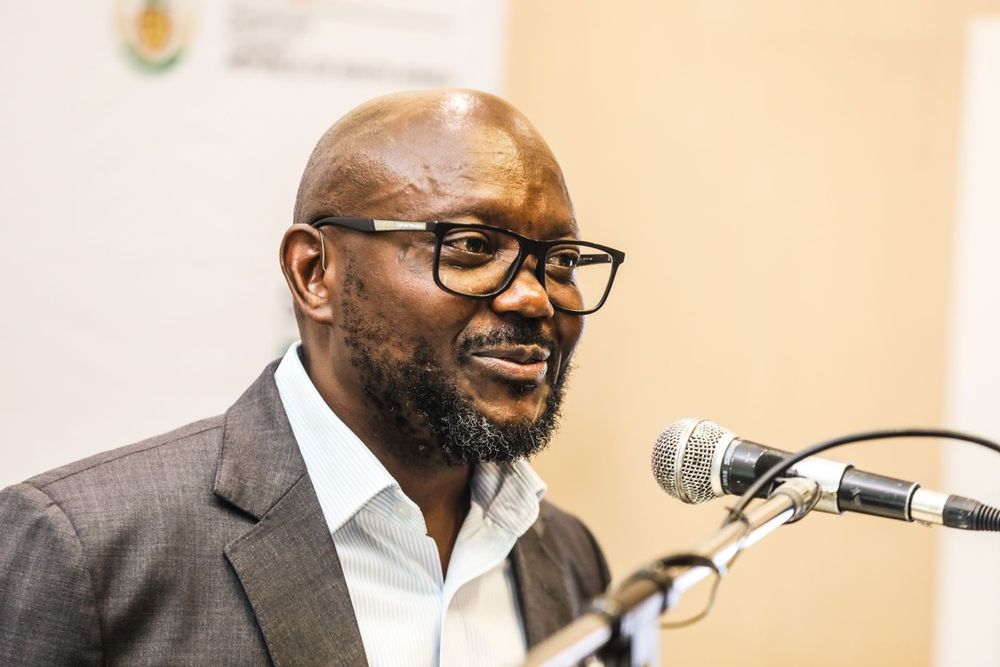
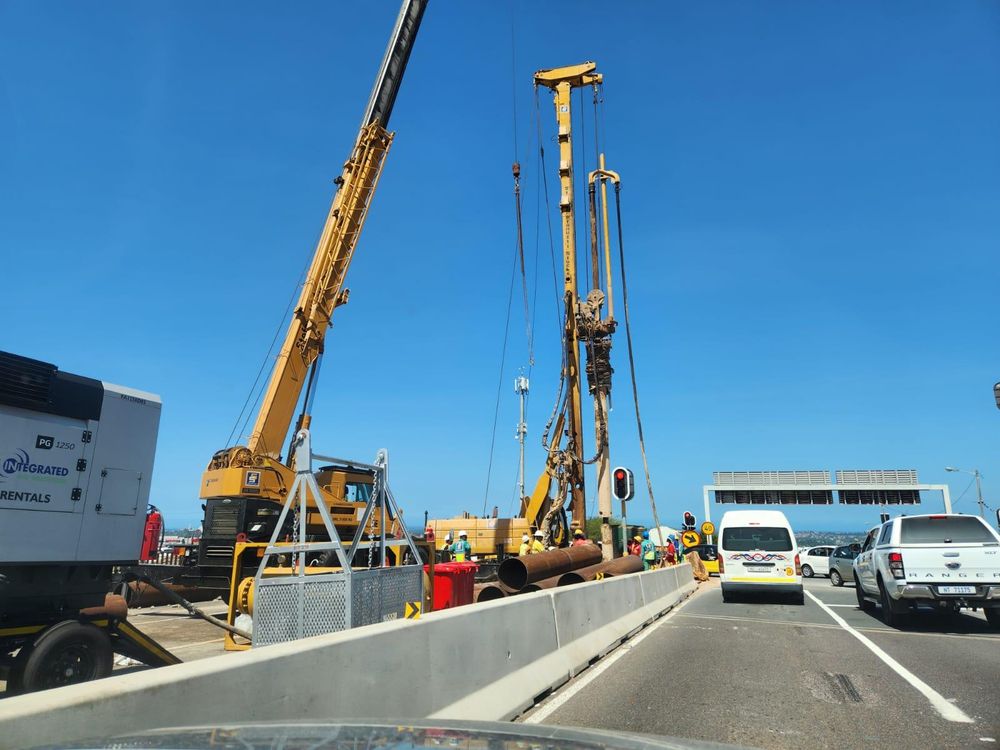
The SA National Roads Agency’s (Sanral) outgoing CEO Reginald Demana has admitted the agency was ill-equipped to award a R9.5bn tender for “routine road maintenance” to a panel of 20 companies which was declared unconstitutional and unlawful and set aside by the Pretorial high court. “We were ill-equipped to enter into panels. For now, we will go back to what we have always done: issue tenders individually using an open tender process, as we have done in the past before exploring the panel route,” he said during a media briefing on Tuesday.Construction companies BCB Solutions and Botle Ba Afrika Roads successfully approached the court last week to challenge Sanral’s decision to reject their bids, which saw the agency electing to appoint the panel to carry out routine maintenance work on national roads across the country. The Sanral CEO said the agency has faced court challenges in recent years over weaknesses in its procurement processes, including the awarding of high-value contracts and the appointment of panels for engineering consultants and routine road maintenance contractors.In most cases, Demana said, unsuccessful bidders approached the courts seeking urgent interdicts to stop the signing of service level agreements and the commencement of work, followed by substantive reviews of the procurement decisions. He said legal advice consistently indicated Sanral’s prospects of successfully defending the cases were poor. As a result, it opted to concede rather than pursue costly litigation at taxpayers’ expense, while ensuring road maintenance work could continue uninterrupted.During the media briefing, Demana said there were weaknesses in the tender value chain system and colleagues needed to explain themselves on “where were the lapses, who was there, [and] what action was to be taken”. “We need to move to consequence management,” he said. Sanral chief legal, risk and compliance officer, Kaiser Khoza, said there were irregularities regarding the routine road maintenance contract. “They emanate from bid specifications, [and] one material irregularity throws out a tender,” Khoza said. Sanral plays a key role in the rollout of road infrastructure and awarded tenders to the tune of R53bn in 2024, with the bulk of projects in Gauteng, Limpopo, Mpumalanga and North West. These together received nearly R30bn in road construction work. KwaZulu-Natal and the Free State had R10bn worth of projects awarded, while the Eastern Cape got R6.7bn and the Western Cape and Northern Cape had R6.8bn worth of tenders approved and awarded. On Tuesday Demana, who will leave Sanral at the end of August, said he rejected all allegations of wrongdoing levelled against him. “I think we acted in the best interest of business. I can’t be solely judged on the lapses of a few months,” he said.“In my professional capacity as the CEO of Sanral, I have never held procurement or tender award decision delegations. Every supply chain management (SCM) decision at the centre of this controversy, including routine road maintenance contract extensions, was taken by either the Sanral board or by officials/committees the board delegated the power to.”“Where our own procurement fell short of the constitution and the law, we did not hide it. We investigated ourselves, told the courts, and asked a judge to set our own tender aside. In some instances, the board decided we self-review. That is accountability, not corruption.”He denied allegations he unilaterally extended the routine road maintenance contracts because he stood to benefit personally, saying the decision to extend the contract by six months was a lawful decision of the board.Demana said when he was asked to lead Sanral about three-and-a-half years ago, he found a procurement pipeline backlog, with related slow execution of projects in key economic corridors, and a balance sheet under strain.“I leave both stronger, not because controversy disappeared, but because every time this organisation faced a hard choice between expedience and the law, it chose the law, and it audited its own conduct in public, even when that meant setting aside or cancelling its own tender awards,” he said.“We have time and again chosen to look for certainty rather than continue on an uncertain path where decisions were within our control. That is the standard I was appointed to uphold. It is the standard I hand back to the board and to my successor.”Business Day