Story audio is generated using AI
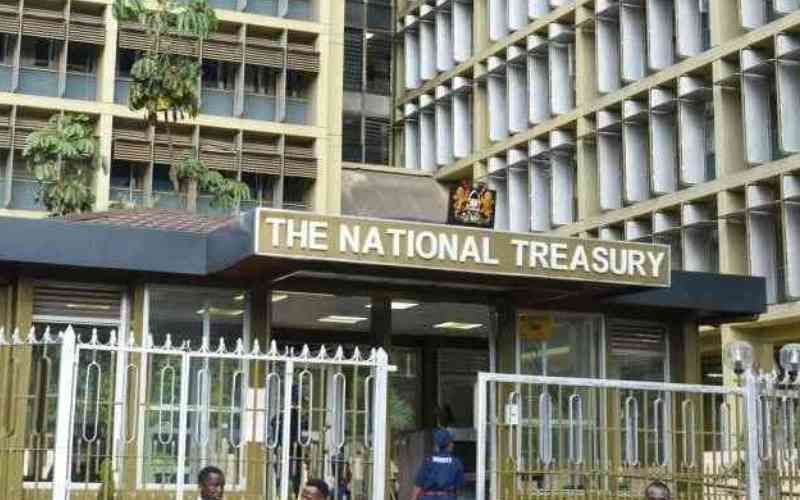
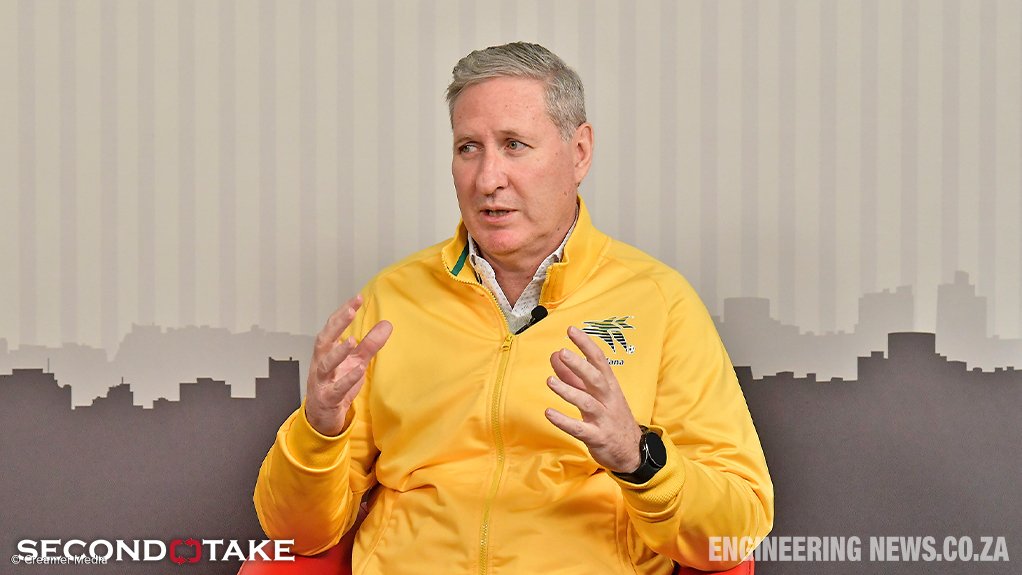
Companies spend a lot of time and money preparing documentation to submit for advertised government tenders but a large number of them are never awarded. Infrastructure SA (ISA) acting head Simphiwe Ndlovu told the National Council of Provinces select committee on public infrastructure and the minister in the presidency on Tuesday that in 2025, 2,549 tenders were advertised, of which only 16.98% were awarded. Of these 279 were cancelled before the closing date, 433 were awarded and 1,837 were closed, that is, were currently being evaluated, evaluated but no contract had been awarded, or the tender process had been abandoned post-evaluation.“Tender cancellations not only harm service delivery but also negatively impact the construction sector. It reduces market confidence, so construction companies often hire fewer staff,” Ndlovu pointed out. “It results in a loss of investment in the form of time and money spent on preparing the tender documentation. This could negatively impact the financial stability of companies, particularly small and medium-sized enterprises. The lack of projects can lead to highly skilled professionals leaving the country, exacerbating the skill shortage.” Ndlovu gave a breakdown by province of the awarded tenders as a percentage of total advertised tenders in 2025: Western Cape 21%; Northern Cape 14%; North West 9%; national 17.3%; Mpumalanga 5.8%; Limpopo 13.8%; KwaZulu-Natal 13.2%; Gauteng 11.9%; Free State 7.5%; and Eastern Cape 17.6%. The number of tenders cancelled in 2025 by state entities were as follows: Eskom 159; Passenger Rail Agency of SA (Prasa) 150; Transnet 129; water and sanitation 96; Road Accident Fund 80; public works 69; environment, forestry and fisheries 62; SA Civil Aviation Authority 60; Johannesburg Water 53; and Airports Company SA 51. The office of the National Treasury’s chief procurement officer had also reported its e-tenders portal indicated that only 39% of the tenders advertised on it had been awarded. Ndlovu also highlighted the disparity between the existing level of gross fixed capital formation as a percentage of GDP at 13.71% compared to the National Development Plan’s goal to achieve 30% by 2030. This would require a R3-trillion infrastructure funding requirement, which far exceeded public financing capacity and would require large-scale private capital mobilisation and innovative financing models. The government has allocated R1-trillion for infrastructure investment over the next three years. Public works & infrastructure minister Dean Macpherson noted in his introductory remarks that this share of GDP had declined over the last two years and probably by one percentage point over the last year. The minister expressed great concern over local government’s inability to implement large infrastructure projects when it was the biggest procurer and implementer of them. Every year about R100bn was returned to the fiscus, he said, because the municipal infrastructure grant was not spent. This was a clear sign of incapacity, he said. Ndlovu focused on some of the systemic bottlenecks to infrastructure development, including delayed and fragmented regulatory approvals. “High volumes of permits stalled across municipal, provincial and national authorities create extended development timelines, heightened uncertainty and delayed financial close, materially weakening investor appetite,” he noted. Planning was fragmented across all three spheres of government, resulting in disjointed project pipelines, with misaligned funding, sequencing and execution undermining scale and delivery efficiency. “Limited preparation funding constrains the conversion of concepts into bankable, investment-ready projects, reducing deal flow and private sector participation.” He also cited procurement inefficiencies such as lengthy, inconsistent processes without standardised designs or benchmarks, which drive cost inflation, delays and reduced competitiveness across projects. The government was constrained fiscally, and that, together with municipal distress and SOE balance-sheet pressure, limited the state’s ability to fund and underwrite infrastructure at scale. In addition, the attrition of skills and the prolonged contraction in the construction sector weakened project oversight, execution capability and quality assurance, increasing delivery risks. Ndlovu also listed the existing and emerging risks facing infrastructure investment, including extortion by “business forums”; community unrest and protests; underperforming and unethical contractors; grid capacity constraints; extended delivery horizons for bulk water schemes, which delay critical service provision; and cost escalations and delayed payments, which strain contractor cash flows, increase project risk and threaten contractor solvency and pipeline continuity. ISA does not itself undertake investments but assists with infrastructure planning and project preparation and intervenes to address regulatory and implementation bottlenecks. It helps to create projects which are financeable. It has a project preparation pipeline of 20 projects with an estimated capital investment of R286bn in the following sectors: energy and the just energy transition; transport, ports and logistics; industrial zones and beneficiation; water and sanitation; agriculture and rural economy; and social infrastructure in health, education and human settlements. ISA will launch its third annual bid window on July 27 for project owners across all spheres of government, to bid for project preparation support for projects with a minimum value of R1bn in priority sectors such as energy, water and sanitation, transport and municipal infrastructure.