Photo credit: chenxiao zhou / Shutterstock
Over the past 18 months, tariffs have been the most visible front in America’s economic competition with China. They are also the wrong battlefield, at least when it comes to energy and critical minerals.
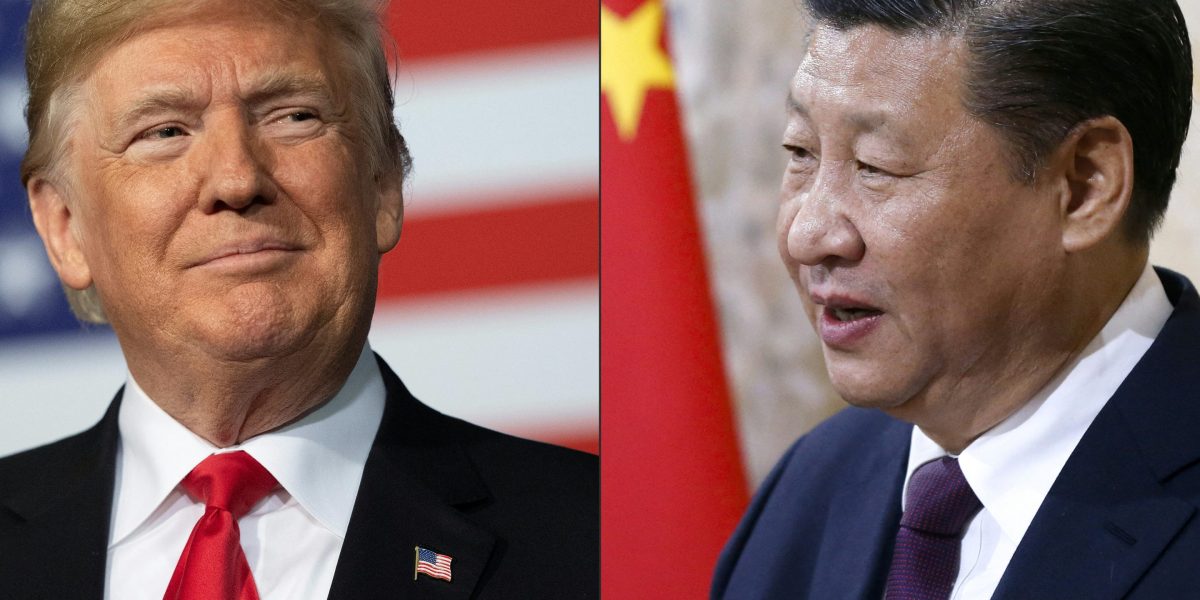
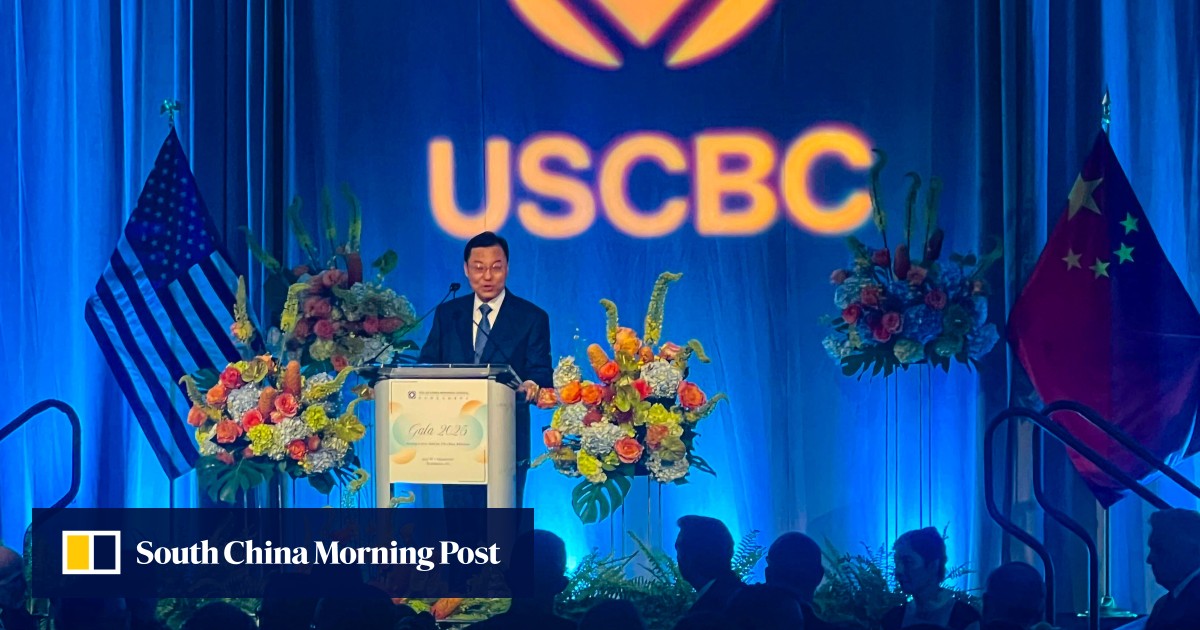
The Trump-Xi summit earlier this year was a signal of burgeoning faith between the two industrial giants. However, any discussion of energy security and critical materials was surprisingly left off the table. Although the U.S. pushed for improved access to the rare earth minerals in China’s reserves, the countries didn’t strike a deal, reinforcing the need for the U.S. to strengthen its own energy and materials supply chains.
As attention in the U.S. federal government turns investing into domestic infrastructure, it’s instructive to look at how China established its clean energy dominance. China’s lead across refined critical minerals, solar manufacturing, and batteries is well-documented. Less appreciated, however, is how quickly China is extending that lead into advanced nuclear, energy storage, hydrogen, and electric vehicles. This is the result of a competitive financial architecture, not just lower labor costs or looser regulation.
China has built a state-backed system that redistributes risk in ways Western capital markets do not. State banks guarantee construction debt on novel industrial projects. State-owned enterprises act as early, creditworthy buyers for output from unproven technologies. Policy banks absorb first-loss risk that private investors won’t touch. The result is a coordinated financing machine that accelerates deployment, allowing companies to move rapidly down the cost curve even before technologies are profitable.