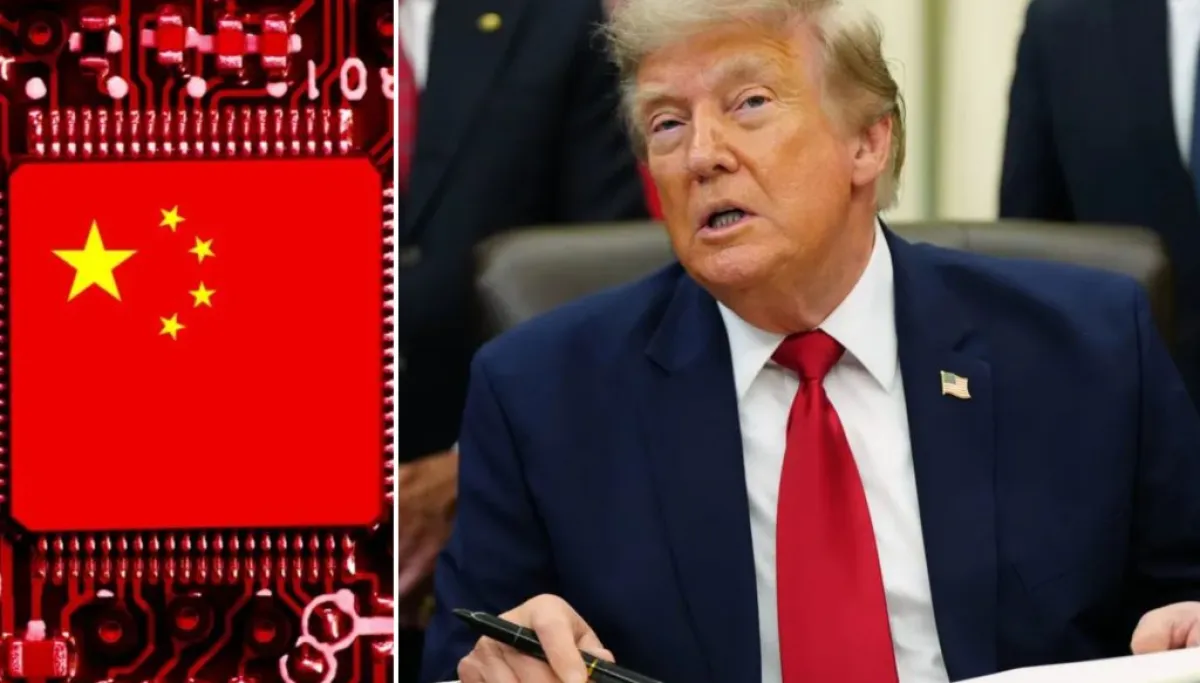
What should come first, national security policy, or trade policy? This is an old debate, and one that should never paralyze a nation such as America. The Trump administration has actually made incredible progress thus far to protect and grow American industry. Well-structured and carefully thought-out trade initiatives have resulted in thousands of jobs being reshored, as well as a four-year high in manufacturing activity.President Donald Trump understands that trade policy is national security policy, requiring a targeted and finely focused approach to maintain strength on both fronts. The administration has already put this approach in action by adjusting Section 232 tariffs on metals used in military equipment to protect national security while maintaining flexibility and fairness to both domestic and foreign producers. That same balanced approach is needed as the administration considers Section 232 tariffs on semiconductors.Semiconductor chips are the brains of modern defense systems, powering everything from precision-guided munitions and missile defense systems to military communications, satellites, radar, and the AI capabilities that will shape the next generation of military power. While onshoring semiconductor production capabilities into the U.S. should remain a top, long-term priority, the administration must recognize that many of these systems continue to rely on legacy chips not yet manufactured at sufficient scale in America. Maintaining reliable access to those components is essential to meeting today’s national security needs while domestic production ramps up.
Trump needs a smarter play on chip tariffs before China corners the market
Trump’s trade policy has worked, but broad semiconductor tariffs risk higher defense costs, supply chain bottlenecks, and handing advantages to China.
593 words~3 min read