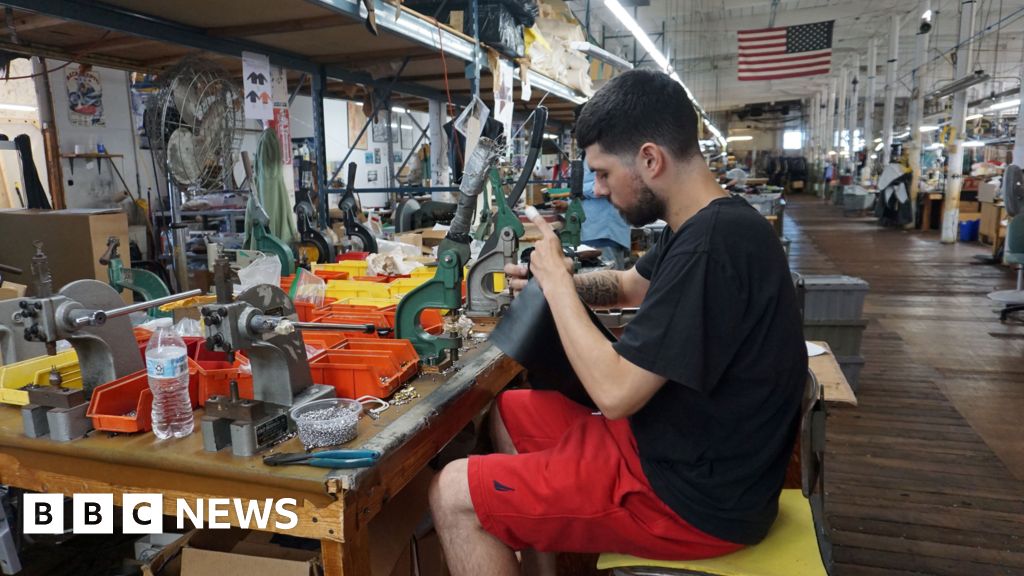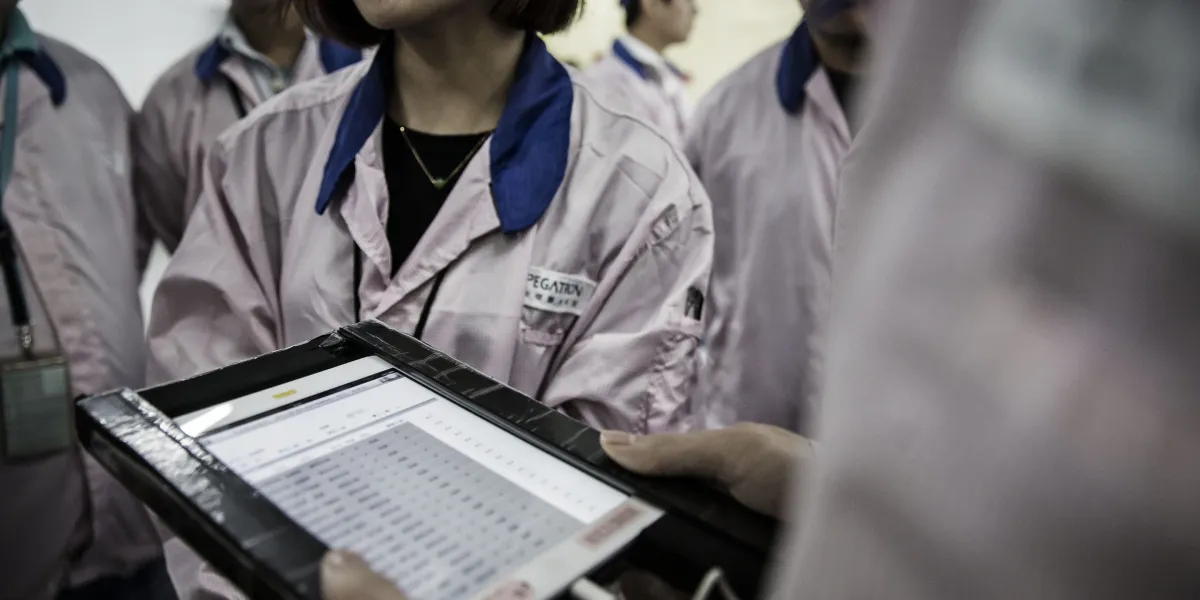
“Millions and millions of human beings screwing in little, little screws to make iPhones. That kind of this is going to come to America.”
That was U.S. Commerce Secretary Howard Lutnick’s pitch in April for the Trump administration’s “Liberation Day” tariffs, the most radical shift in U.S. trade policy since the 1930s.
The administration has used many rationales for tariffs, but the one that seems to animate the president most is a wish to bring manufacturing back home to the U.S. Over the past few decades, many industries including tech have shipped most of their production overseas, where wages are lower, skilled labor is easier to find, and suppliers are more plentiful.
But reversing the status quo for companies like Apple is far more complicated than Trump lets on, if it’s possible at all. Behind a finished smartphone extends a chain of suppliers and assemblers, particularly in Asia, that is difficult to replace.
Trump’s wrecking ball to global trade has already proved too fast and too disruptive to encourage companies like Apple to quickly move their production to the U.S. Instead, to bring U.S. manufacturing back, Washington will need a more targeted, more methodical— and more stable—strategy, according to economists and experts who have spent years, if not decades, studying trade and global supply chains.