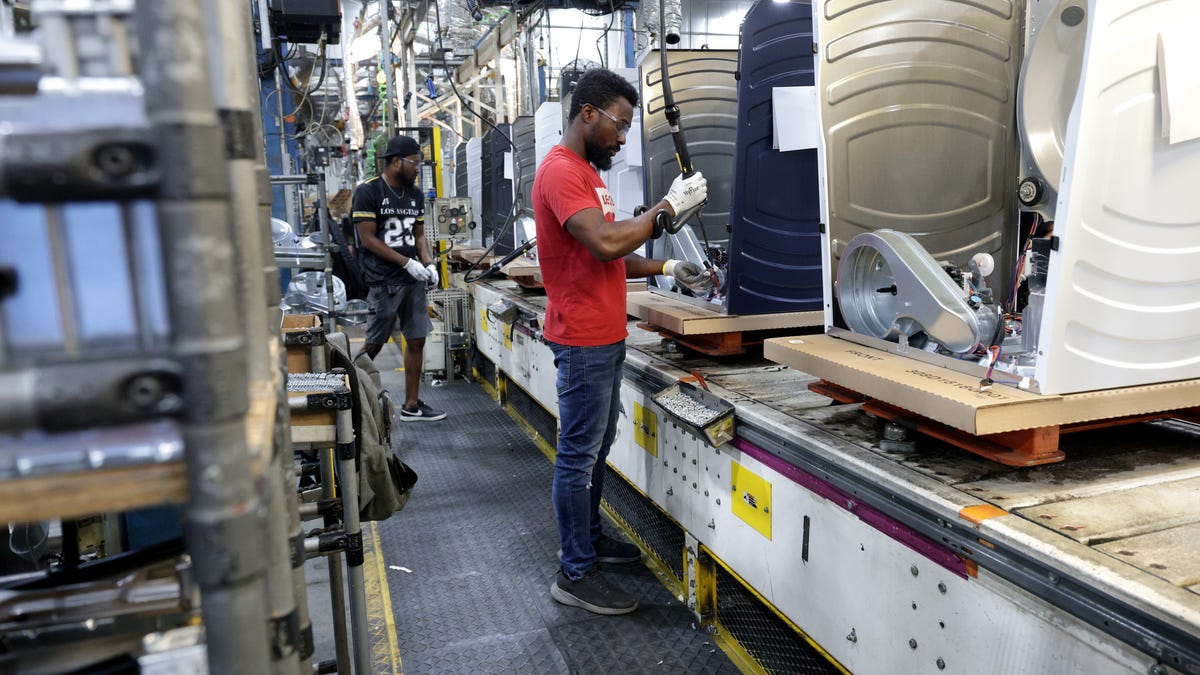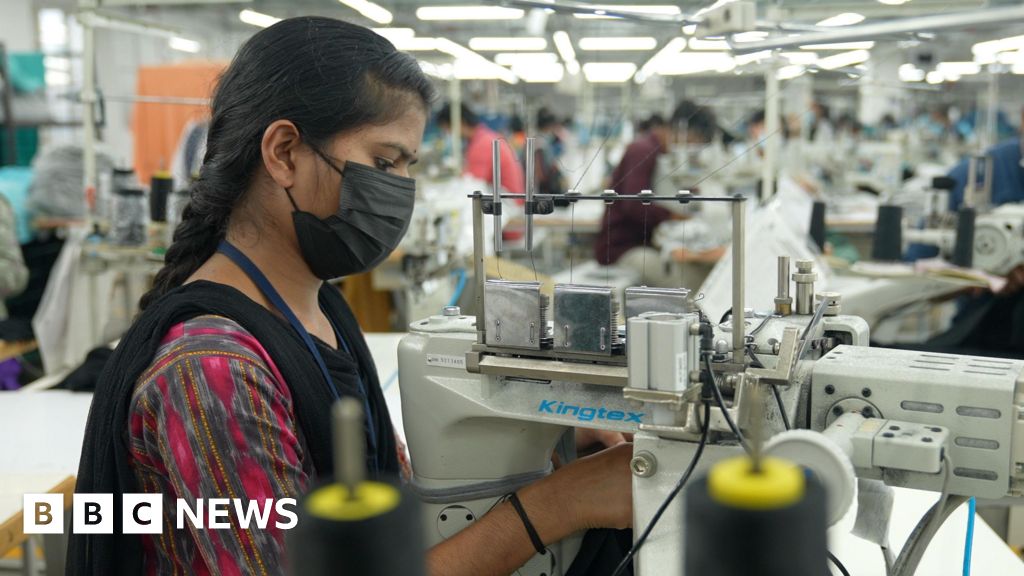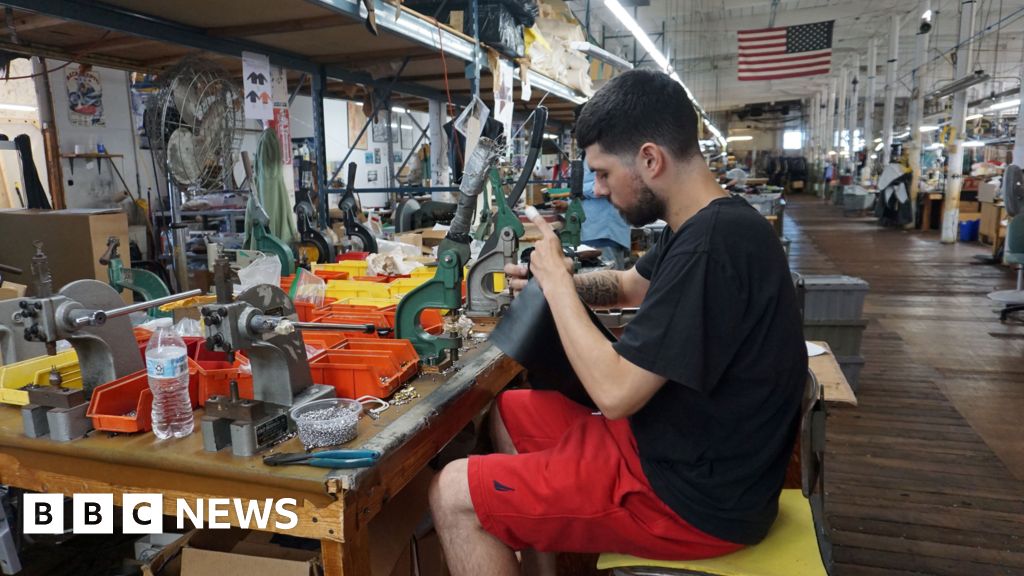
In a corner of a cavernous 1890s factory in southern Massachusetts, 15 people are bent over sewing machines, churning out specialty, hospital-grade neonatal gear.
They are all that remain of what was once a much bigger manufacturing operation, most of which the Teixeira family shut down in 1990, reinventing their business as a largely warehousing and distribution business.
Since US President Donald Trump started rolling out sweeping tariffs, the Teixeiras have been fielding more inquiries from companies newly interested in their US-based sewing services.
But they have turned down those offers, deterred by the difficulty of hiring in the midst of an immigration crackdown and doubts that the demand will be sustained.
It's just one of the many indications that achieving the manufacturing revival promised by the president is likely to be far more difficult than the White House has claimed.